
Light Requirements
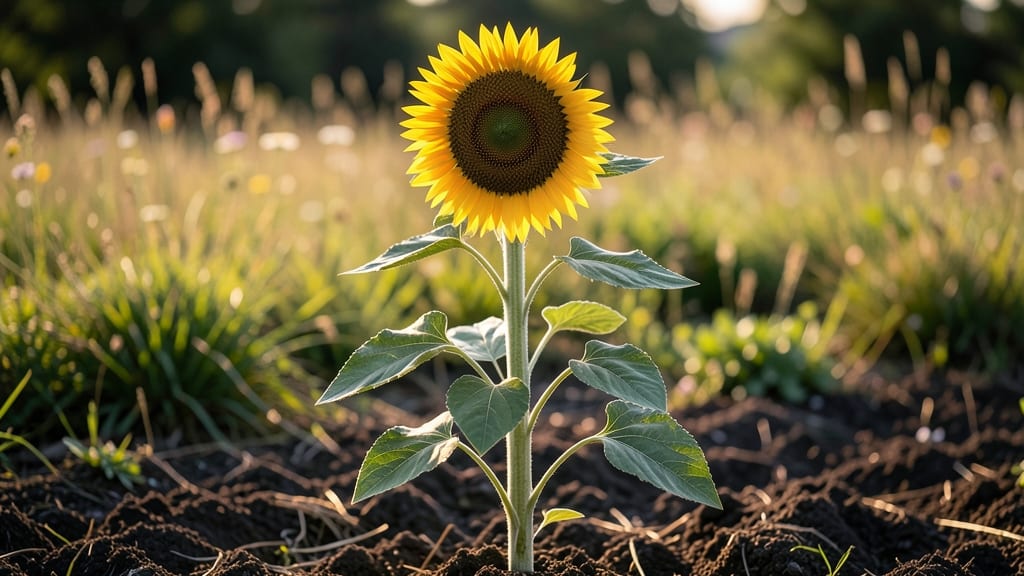
A full-grown Mammoth sunflower 🌻 can reach heights of 10 to 14 feet, making it a garden centerpiece—but only if you give it the right conditions from the start.
Picture this: your backyard transformed by towering golden blooms that dwarf even the tallest fence. But without proper care, those massive stems can snap under their own weight, leaving you with a sad, leaning giant. The key to keeping them upright lies in sunlight, spacing, and support.
These sunflowers thrive in full sun and well-drained soil, but their height depends on more than just genetics. Crowded roots or poor soil can stunt their growth, while the right balance of water and nutrients sends them skyward. Even the best Mammoth varieties need a little help standing tall.
In this guide, I’ll break down exactly how tall they get, the best support methods to prevent toppling, and the common mistakes that keep them from reaching their full potential. Let’s get those sunflowers growing strong!
How tall do full-grown Mammoth sunflowers get & what affects their height?
When I first planted Mammoth sunflowers in my garden, I was amazed by how quickly they shot up—some reaching nearly 12 feet by late summer. These giants aren’t just tall for show; their height makes them a stunning focal point in any landscape.
But their final size depends on several key factors, including genetics, sunlight, and even soil quality. Let’s break down what influences their growth and how you can maximize their potential.
The average mature height for Mammoth sunflowers ranges from 8 to 14 feet, with some varieties like the 'Russian Giant' hitting the upper limit. Other hybrids, such as 'Mammoth Single' or 'Autumn Beauty', typically stay between 10 and 12 feet.
These differences come down to genetics, but environmental conditions play a huge role too. For example, plants grown in USDA Zone 6 or higher with long, sunny days often reach their maximum height, while cooler climates may limit growth.
| Variety | Mature Height | Sunlight Needs | Spacing Needs |
|---|---|---|---|
| 'Russian Giant' | 12-14 ft | Full sun (6+ hrs) | 18-24 inches apart |
| 'Mammoth Single' | 10-12 ft | Full sun (6+ hrs) | 12-18 inches apart |
| 'Autumn Beauty' | 10-12 ft | Full sun (6+ hrs) | 12-18 inches apart |
| 'Mammoth' Hybrid | 8-10 ft | Full sun (6+ hrs) | 12 inches apart |
Sunlight is the most critical factor in determining how tall your Mammoth sunflowers will grow. These plants thrive in full sun conditions, meaning they need at least 6 to 8 hours of direct sunlight daily.
Without enough light, their stems will grow weak and leggy, often reaching only half their potential height. In my garden, I noticed that plants in south-facing beds grew significantly taller than those in partial shade.
If you’re growing them in containers, place them where they’ll get the most sunlight possible.
Soil quality also plays a surprising role in height. Mammoth sunflowers prefer well-draining, fertile soil with a slightly acidic to neutral pH (6.0-7.0). Poor soil can stunt growth, leading to shorter stems and smaller blooms.
Before planting, I always amend my soil with compost or aged manure to ensure it’s rich in nutrients. Additionally, these sunflowers are heavy feeders, so a balanced fertilizer (10-10-10) applied every 4-6 weeks during the growing season can give them the boost they need to reach their full height.
Regional climate is another key player in determining how tall your Mammoth sunflowers will grow. In warmer climates with long growing seasons, like those in USDA Zones 8-10, these sunflowers can grow even taller, sometimes exceeding 14 feet.
However, in cooler climates like Zone 5 or 6, their growth may be limited to 8-10 feet unless you provide extra care, like extending the season with row covers or choosing early-maturing varieties.
Spacing your Mammoth sunflowers correctly is often overlooked but crucial for their height. When planted too closely, they compete for nutrients and sunlight, resulting in shorter, weaker stems. For varieties like 'Russian Giant', space plants 18-24 inches apart.
For smaller hybrids, 12 inches is usually sufficient. Proper spacing also improves airflow, reducing the risk of fungal diseases that can weaken the plant and limit its growth potential.
One of the biggest misconceptions about Mammoth sunflowers is that their height is purely genetic. While genetics set the baseline, environmental factors like sunlight, soil, and spacing can push them to their maximum height—or hold them back.
For example, I once grew a 'Russian Giant' that reached 13 feet in my backyard, but a friend in a shadier location only got 9 feet from the same variety. The difference? Sunlight exposure and soil quality.
If you’re aiming for the tallest possible Mammoth sunflowers, focus on these three key areas: full sun exposure, rich, well-draining soil, and proper spacing. With the right conditions, you’ll be rewarded with towering sunflowers that turn heads and attract pollinators all season long.
Just remember, the taller they grow, the more support they’ll need to stay upright—so plan for staking or trellises early!
For me, watching these sunflowers grow from tiny sprouts to towering giants is one of the most rewarding parts of gardening. With the right care, you can grow Mammoth sunflowers that rival the tallest trees in your yard—just give them the space, sunlight, and nutrients they crave! 🌻
Best support methods to prevent Mammoth sunflowers from toppling over
As your mammoth sunflower reaches 10-14 feet tall, its heavy bloom can cause the stem to bend or snap under pressure. Without proper support, these giants become top-heavy and prone to falling—especially in windy conditions.
The key is to install supports early in the growth cycle, before the stem becomes too thick or brittle to handle.
Your support choices depend on your budget, garden layout, and how many sunflowers you're growing. Single-stem supports like bamboo stakes or metal rods work well for individual plants, while multi-stem varieties may need wider trellises or DIY cages.
The right method ensures your sunflowers stay upright while allowing natural growth and airflow.
Support Methods for Full-Grown Mammoth Sunflowers
Bamboo Stakes
- ✔️ Cost-effective ($1-3 per stake)
- ✔️ Easy to install (no tools needed)
- ✔️ Biodegradable (no removal needed)
- ✖️ Limited height (max 10-12 ft)
- ✖️ Can split if sunflower grows too thick
Trellis Systems
- ✔️ Supports multiple stems (ideal for clusters)
- ✔️ Durable (lasts multiple seasons)
- ✔️ Aesthetic appeal (blends into garden)
- ✖️ Higher cost ($15-30 per system)
- ✖️ Requires installation skills (sturdy posts needed)
DIY Wire Cages
- ✔️ Customizable size (adjust for height)
- ✔️ Low-cost ($5-10 for materials)
- ✔️ Reusable (for multiple seasons)
- ✖️ Time-consuming to assemble
- ✖️ May rust if not galvanized
For single-stem mammoth sunflowers, I recommend using 3-4 foot bamboo stakes inserted 6 inches deep into the soil when the plant reaches 12-18 inches tall. Tie the stem loosely with soft plant ties or old fabric strips every 12 inches up the stake, adjusting as the sunflower grows.
Avoid tight ties that can girdle the stem and restrict growth.
If you're growing multi-stem varieties or want a more decorative look, a DIY wire cage made from 18-gauge galvanized wire and wooden stakes works beautifully. Build a 4-foot tall cylinder with 4-inch spacing between wires, then place the cage around the sunflower when it's 2 feet tall.
This method allows the plant to grow naturally while providing 360-degree support.
Commercial sunflower supports, like the Plant Clips or Florawise stakes, offer a middle-ground solution with adjustable heights and no-tie designs. These cost $5-10 each but eliminate the need for tying, making them ideal for beginners.
Install them when your sunflower reaches 18 inches tall and adjust as needed throughout the season.
Regardless of the method you choose, secure the base of all supports with sturdy stakes or weights to prevent shifting in wind. Check supports weekly to ensure they remain upright and adjust ties as the stem thickens.
With the right support, your mammoth sunflower will stand tall and proud all season long. 🌻