
Watering
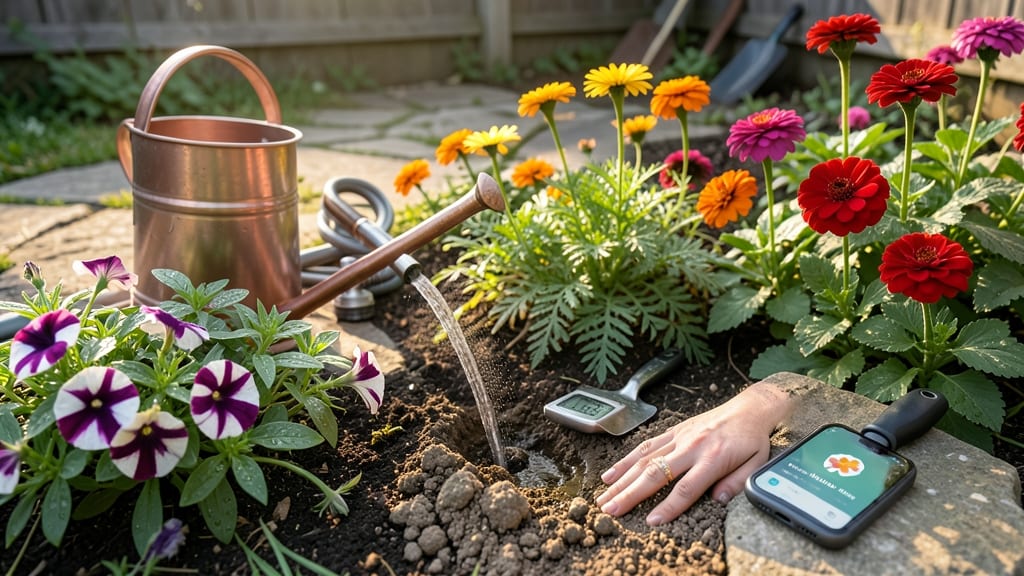
How often to water flowers outside often enough keeps them thriving, but the right schedule depends on soil, weather, and plant type—so let’s cut through the guesswork.
Struggling to keep your outdoor flowers blooming and healthy? Overwatering or underwatering can both spell disaster—so how often should you water them? The answer isn’t one-size-fits-all, but with the right tricks, you’ll never second-guess again.
Most flowers need watering every 2-3 days in spring and summer, but clay soil holds moisture longer than sandy soil, and a hot afternoon can dry out roots in hours. That’s why the finger test—sticking your finger an inch into the soil—is your secret weapon.
Below, I’ll break down watering by season, soil type, and flower variety, plus how to spot the signs of thirsty (or soggy) plants. By the end, you’ll have a routine that keeps your 🌸 blooms vibrant without wasting a drop.
How often to water outdoor flowers based on soil and weather conditions
Watering your outdoor flowers correctly is the difference between vibrant blooms and wilted disappointment. The frequency depends on two critical factors: your soil type and current weather conditions. Sandy soil drains quickly, while clay holds moisture longer—both require different approaches.
Add temperature and humidity to the mix, and you’ve got a science-backed puzzle to solve for lush, thriving plants.
Most gardeners assume a one-size-fits-all schedule, but that’s a recipe for failure. For example, petunias in sandy soil may need daily watering in summer, while lavender in clay soil can survive on weekly doses.
Understanding these variables ensures you’re not drowning roots or leaving plants parched. Let’s break down the science so you can water like a pro.
Seasonal shifts demand adjustments to your watering routine. In summer, when temperatures soar and humidity drops, most flowers need watering every 1-3 days, depending on soil. My roses, for instance, go from every 3 days in spring to daily in July.
Conversely, fall brings cooler temps and slower evaporation, so I stretch the gap to every 4-5 days. Winter is a different story—most flowers enter dormancy and need watering every 10-14 days, or less if rain is frequent.
Don’t overlook weather patterns like heatwaves or prolonged rain. During a heatwave, I water my garden early in the morning to reduce evaporation and fungal risks. If a heavy rainstorm is forecasted, I hold off watering for 2-3 days to avoid soggy roots.
A quick check of the weather forecast can save your plants from stress. For example, marigolds wilt faster in dry heat, while impatiens thrive in humid conditions with less frequent watering.
Your soil type plays a starring role in determining watering needs. Sandy soil drains like a sieve, so flowers planted in it may need watering daily in summer. I’ve learned this the hard way with my geraniums, which dry out within hours in my backyard’s sandy patches.
On the flip side, clay soil holds moisture like a sponge, often requiring watering only every 3-4 days—even in summer. To test your soil, dig a 1-inch hole near your plants; if it’s dry, it’s time to water.
Mulching is a game-changer for water retention. A 2-3 inch layer of organic mulch—like straw or shredded leaves—keeps soil moist longer by reducing evaporation. I always mulch around my perennials in early spring to cut down on summer watering.
Just avoid piling mulch against plant stems, as this can trap moisture and cause rot. For container gardens, use mulch sparingly since pots dry out faster, but it still helps regulate soil temperature and moisture.
Watch for visual cues that your flowers are thirsty or overwatered. Wilted leaves by midday often signal underwatering, while yellowing leaves or mushy stems may indicate overwatering. My petunias droop dramatically in the afternoon heat, but they perk up after a deep watering.
Conversely, moldy soil or fungus gnats are red flags to cut back on watering. Adjust your schedule based on these signs—your plants will thank you with longer blooming seasons.
For newly planted flowers, the first few weeks are critical. Water deeply every 2-3 days to encourage root growth, but avoid creating a soggy mess. I use a soaker hose to deliver water slowly at the base of plants, which minimizes runoff and waste.
Over time, as roots establish, you can gradually reduce frequency. Remember, deep watering promotes stronger roots than shallow, frequent watering.
Pro tip: Use a moisture meter or the finger test to avoid guesswork. Stick your finger 1 inch into the soil—if it feels dry, it’s time to water. This method works for all soil types and helps you tailor your schedule to your garden’s unique needs.
I keep a small moisture meter handy for my container plants, where soil dries out faster. With practice, you’ll develop an intuitive sense of when your flowers need a drink.
Consistency is key to healthy flowers. Stick to a regular watering schedule while adjusting for weather and soil changes. Over time,
The finger test and other soil check tricks to avoid overwatering
Determining how often to water flowers outside starts with understanding your soil’s moisture level—not just guessing by time of day. The finger test is my go-to method because it’s free, foolproof, and works for every type of flower bed.
Simply push your finger about 1 inch deep into the soil near your plants. If it feels dry, it’s time to water.
This simple trick beats watering on a schedule because soil conditions change with seasonal shifts and rainfall. For example, sandy soil drains quickly and may need watering every 1-2 days, while clay holds moisture longer, requiring checks every 3-4 days.
Always test in the morning when soil is cooler and moisture levels are most accurate.
Step-by-Step Soil Check Guide
- Step 1: Wait until morning (after dew evaporates) for accurate readings.
- Step 2: Gently push your index finger 1 inch deep into the soil near plant roots.
- Step 3: If soil feels dry or crumbly, water deeply until moisture reaches 6 inches down.
- Step 4: For container flowers, check soil at the drainage hole level—if dry, water thoroughly.
- Step 5: Note patterns over 1-2 weeks to adjust your watering schedule.
Beyond the finger test, watch for visual cues like wilted leaves or cracked soil. Drooping petals often signal thirst, but check soil first—some flowers naturally wilt in heat. Yellowing leaves or mushy stems usually mean overwatering, while crispy edges suggest underwatering.
Mulch helps retain moisture, reducing how often you need to check.
For precise monitoring, invest in a moisture meter ($10–$20). These tools eliminate guesswork by giving a percentage-based reading of soil moisture. I recommend the Xiaomi Mi Flower Care for its accuracy and ease of use. Place probes near roots (not on mulch) and aim for 40–60% moisture for most flowers.
Adjust your routine based on weather forecasts. Heavy rain may delay watering for 3–5 days, while 90°F+ heatwaves can halve that time. Group flowers with similar needs together—like marigolds and petunias—to streamline care. Always water at soil level (not leaves) to prevent fungal diseases like powdery mildew.
Remember: Deep watering encourages strong roots, while shallow sprinkles promote weak, shallow systems. Use a soaker hose or drip irrigation for consistent moisture without waste. With these tricks, you’ll master how often to water flowers outside without drowning or dehydrating them.