
How To
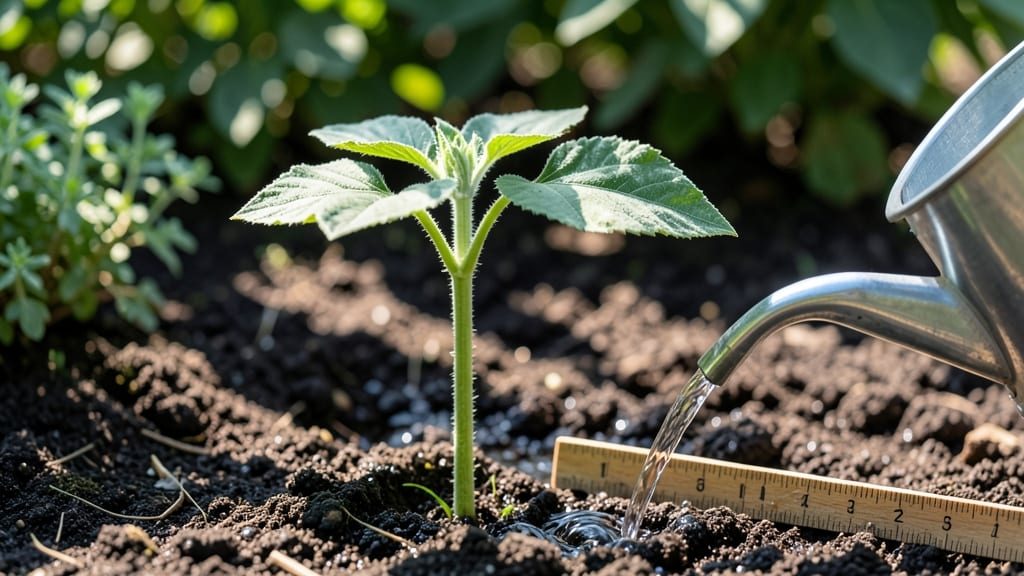
To water sunflower seeds properly, keep the soil consistently moist but never soggy during the 7-14 day germination period — the difference between a thriving sprout and a failed batch.
Struggling to coax those stubborn sunflower seeds into sprouts? The secret isn’t just patience—it’s mastering the perfect watering schedule during germination. Too much water drowns them; too little keeps them dormant, and neither helps your 🌻 seeds break through the soil.
Most gardeners overthink it, but sunflower seeds need just enough moisture to stay damp like a wrung-out sponge. That means checking the soil daily in Zone 6a and adjusting for spring’s unpredictable rain or dry spells. A simple finger test tells you everything you need to know.
In this guide, I’ll walk you through the exact watering routine—how often to water, when to stop, and the telltale signs of over- or under-watering so your seeds sprout fast and strong every time.
Optimal watering frequency for sunflower seed germination (science-backed guide)
Sunflower seeds need consistent moisture during germination, but too much water can drown them while too little stunts growth. The critical 7-14 day window after planting determines whether your seeds sprout successfully or rot.
Understanding the science behind soil moisture ensures your seeds get the perfect balance of hydration without risking disease.
Sunflower seeds germinate best in warm soil (70-85°F) with even moisture. Unlike mature sunflowers, seedlings are sensitive to fluctuations. A lightweight potting mix (like 60% peat moss, 30% perlite, 10% compost) prevents waterlogging while retaining enough moisture.
This mix mimics the well-drained conditions sunflowers prefer, even at the seedling stage.
Key Factor: Sunflower seeds require constant moisture but not soggy soil. Think of it like a damp sponge—not dripping wet. The top inch of soil should stay moist, but never waterlogged. Overwatering triggers fungal diseases like damping-off, while underwatering causes seeds to dry out before sprouting.
Here’s your science-backed watering schedule for sunflower seeds during germination:
| Germination Stage | Watering Frequency | Soil Moisture Test | Environmental Notes |
|---|---|---|---|
| Day 1-3 (Planting) | Water once daily (light mist) | Top ½ inch feels damp | Seeds need initial hydration to activate enzymes |
| Day 4-7 (Pre-Sprout) | Water every 24-48 hours | Top 1 inch stays moist | Monitor for condensation (sign of overwatering) |
| Day 8-14 (Sprouting) | Water every 48-72 hours | Top 2 inches remain damp | Reduce frequency if humidity >70% |
| Post-Germination (Seedlings) | Water every 3-5 days | Top 3 inches dry slightly | Transition to morning watering only |
To test soil moisture, stick your finger 1 inch deep—if it feels dry, water lightly. If it’s sticky or cold, hold off to prevent rot. Sunflower seeds hate wet feet, so ensure your container has drainage holes and avoid saucers that trap excess water.
Temperature plays a huge role in germination speed. Below 60°F, seeds may take 3+ weeks to sprout, while ideal 75-85°F soil speeds germination to 5-7 days.
Use a seedling heat mat if your climate runs cool. Pair this with consistent moisture, and you’ll see those first cotyledons (seed leaves) emerge faster.
Humidity also affects evaporation rates. In dry climates, water more frequently (every 24 hours), while humid environments (like greenhouses) may only need watering every 72 hours. Use a hygrometer to monitor levels—aim for 40-60% humidity during germination.
Once your sunflower sprouts break the surface, reduce watering slightly but keep the soil consistently moist. Overwatering at this stage causes stem rot, while underwatering leads to stunted growth. A spray bottle works best for seedlings to avoid disturbing their delicate roots.
Pro tip: Use bottom-watering for containers. Place trays under pots and add water—this ensures even moisture without drowning the seeds. Sunflowers are drought-tolerant once established, but their seedlings are not. Mastering this 7-14 day window sets the stage for healthy, vigorous plants that reach their 10+ foot potential.
Remember, patience and consistency are key. Sunflower seeds won’t sprout overnight, but with the right watering rhythm, you’ll have lush seedlings ready for transplanting in no time. 🌱
Common watering mistakes that kill sunflower sprouts (and how to fix them)
Even with perfect soil and sunlight, sunflower seeds can fail to sprout if you water them incorrectly. The most common mistakes—overwatering and underwatering—both create conditions that suffocate or dehydrate delicate sprouts before they even emerge.
Overwatering is the silent killer: soggy soil blocks oxygen, leading to fungal rot and seed death. On the flip side, underwatering leaves seeds dry and dormant, waiting forever for moisture. Both mistakes share the same result: your patience goes unpaid with no sprouts to show for it.
Here’s the truth: sunflower seeds need consistent moisture during germination, but not a swamp. Think of it like a wrung-out sponge—damp, but never dripping. The key is checking soil moisture daily and adjusting your watering routine based on what you find.
⚠️ How Often to Water Sunflower Seeds
Germination Stage (Days 1-14): Water every 1-2 days—keep soil damp but not soggy. Use a spray bottle or gentle watering can to avoid displacing seeds.
Early Sprout Stage (Days 15-30): Reduce to every 2-3 days. Let top 1/2 inch of soil dry between waterings to prevent rot.
Signs of Overwatering: Yellowing leaves, mold on soil surface, or seeds that refuse to sprout despite moisture.
Signs of Underwatering: Dry, cracked soil or seeds that remain hard and unbroken after 10+ days.
Watch for moldy soil or seeds that stay stubbornly dormant—these are red flags. If you see fuzzy white or black growth on the soil surface, you’re overwatering. If the soil feels bone-dry just below the surface, it’s time to water immediately but lightly.
For container-grown seeds, use a moisture meter or stick your finger 1 inch deep. If it feels dry, water until moisture reaches that depth. If it’s still damp, wait another day. Containers dry out faster, so check them twice daily in hot weather.
Once sprouts break through the soil, reduce watering to every 3-5 days and let the top inch dry between sessions. This shift prevents damping-off disease, a fungal infection that cuts down young seedlings like scissors.
Remember: sunflowers are resilient once established, but their seeds are delicate. The first 2 weeks are make-or-break—stay vigilant, adjust as needed, and your sprouts will thank you with strong, healthy growth. 🌱