
How To
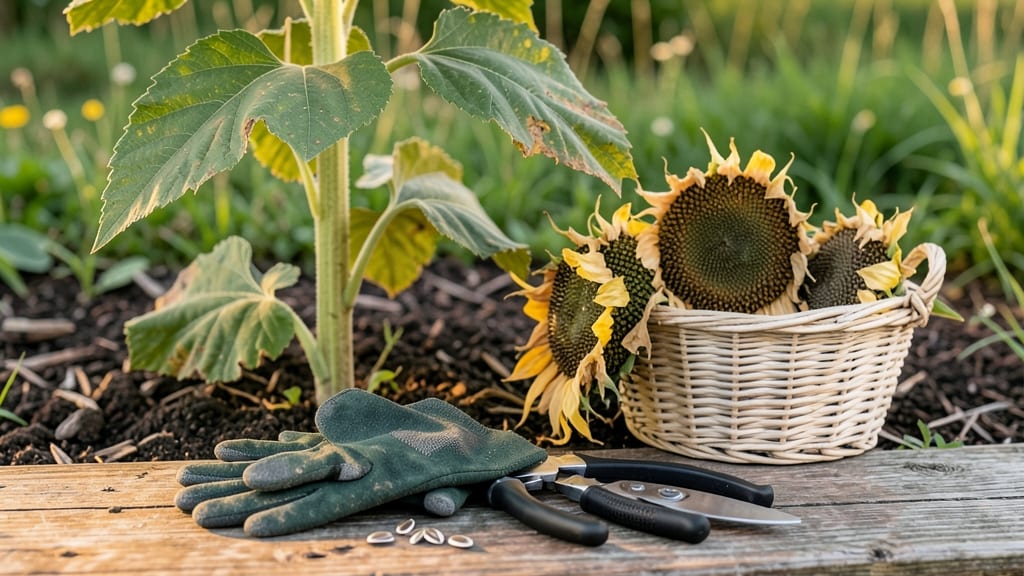
To tell when sunflower seeds are ready to harvest, watch for three key signs: a fully browned backside, dry petals, and seeds that rattle when shaken.
Harvesting sunflower seeds at the perfect time ensures you get plump, flavorful seeds—but knowing exactly when to pick can be tricky. Miss the window, and you risk losing your crop to birds or poor-quality seeds.
Your 🌻 plants will start showing clear visual cues, like a crispy seed head and seeds that easily detach. Ignore these signs, and you might end up with seeds that are either too dry or still underdeveloped.
Below, I’ll walk you through the exact steps to check ripeness, from the color of the seed head to the sound of the seeds, so you never miss the best time to harvest.


3 Visual signs sunflower seeds are ready for harvesting
Sunflowers are a gardener's reward, but knowing when to harvest those plump, flavorful seeds can be challenging. The difference between perfectly ripe seeds and bird snacks often comes down to three key visual cues.
Watching for these signs ensures you don't miss the optimal harvest window—typically 80-120 days after planting.
First, pay attention to the flower head's color change. When the vibrant yellow petals wilt and fall away, it signals the plant is redirecting energy to seed development.
This is your first clue that the seed maturation process has begun. Ignoring this sign means risking poor seed quality or attracting hungry birds before you can collect your harvest.
Next, focus on the back of the seed head. As seeds mature, this area transitions from green to brown, eventually becoming dry and papery.
This transformation is critical—it indicates the seeds inside are fully developed and ready for harvest. Skipping this step often leads to underripe seeds that won't store well.
Finally, listen for the telltale rattle of mature seeds. When you gently shake the seed head, you should hear seeds moving inside. This sound confirms the seeds are dry and loose within their casing, making them ideal for harvesting.
If the head feels moist or doesn't rattle, wait a few more days.
One common mistake is harvesting too early, which results in soft, underdeveloped seeds that won't store well. If you pick when the seed head is still green or damp, your seeds may mold or spoil during storage.
Always wait until the back of the head is completely brown and the seeds rattle loudly.
Another critical sign is the condition of the leaves. As the sunflower matures, its lower leaves will yellow and die back, signaling the plant is focusing its energy on seed production.
This is a natural process, but it's essential to confirm it alongside the other visual cues. Healthy upper leaves paired with dry seed heads mean your seeds are nearly ready.
Timing is everything when harvesting sunflower seeds. If you wait too long, the seeds may scatter naturally, or birds and squirrels might claim your crop first. Once you spot all three signs—fallen petals, brown seed heads, and a loud rattle—act quickly to secure your harvest.
Use a sharp knife or pruners to cut the seed head from the stem, leaving a few inches of the stalk attached for easier handling.
After harvesting, allow the seed heads to dry indoors for 1-2 weeks in a well-ventilated area. This step ensures any remaining moisture evaporates, preventing mold. Once fully dry, rub the seed head between your hands or use a fork to remove the seeds.
Store them in an airtight container in a cool, dark place for up to a year.
Remember, patience is key. Rushing the harvest can ruin your seeds, while waiting too long may mean losing them entirely. By watching for these three visual signs, you'll know exactly when to harvest for the best-quality sunflower seeds every time. 🌾
How to test sunflower seed ripeness before harvesting
Knowing the exact moment to harvest sunflower seeds can make the difference between plump, flavorful seeds and disappointing, shriveled ones. While visual cues like dry flower heads and brown seed backs are helpful, they’re not foolproof.
That’s why I rely on three practical tests to confirm ripeness before cutting my stalks. These methods help me avoid picking too early or too late, ensuring the best possible yield.
First, I always check the seed head color as my initial benchmark. The back of the head should turn a deep, consistent brown, while the petals have mostly fallen off naturally.
This tells me the seeds are maturing, but I never harvest based on color alone—it’s just the starting point. Next, I look for physical dryness in the seed head, which is where the real science comes in.
⚠️ WARNING: Premature Harvesting Risks Harvesting sunflower seeds too early leads to underdeveloped seeds that won’t store well or sprout properly. Overripe seeds, on the other hand, scatter easily and attract pests.
Here’s how to avoid both mistakes: - Never pick when heads are still green—this means seeds aren’t fully mature. - Avoid harvesting if seeds feel damp—moisture signals they’re not ready. - Watch for birds—they’ll strip seeds from heads that aren’t fully dry.
Use these tests to confirm readiness before cutting, and you’ll maximize your seed yield and quality.
My first go-to test is the twist-and-pull method. I gently grasp the base of the seed head and twist it side to side while pulling upward. If the head detaches cleanly with minimal resistance, the seeds are ready.
If it resists or breaks off messily, wait another 2-3 days. This test works because mature seeds have fully transferred nutrients from the stalk to the head, making it easier to separate.
The second test focuses on seed color and moisture content. I carefully open a few seed chambers (the sections where seeds sit) and inspect the seeds inside. Ready seeds should be plump, beige, and completely dry to the touch.
If they’re still white or slightly damp, they need more time. Pro tip: Press a seed between your fingers—if it leaves no moisture, it’s harvest-ready. This step is crucial for preventing mold during storage.
Finally, I perform the shake test to confirm internal dryness. I hold the seed head upside down over a paper bag and give it a gentle shake. If seeds rattle loudly and fall out easily, they’re fully mature.
If only a few seeds drop or they feel soft, wait another 1-2 days. This test is my favorite because it’s quick and gives me instant feedback about the seeds’ readiness.
Once you’ve confirmed ripeness using these three tests, harvest on a dry, sunny morning to allow heads to finish drying naturally. Cut stalks 2-3 feet above ground and hang them upside down in a well-ventilated, dry space for 1-2 weeks.
This final drying step ensures your seeds stay viable for planting next season.