
Blooming
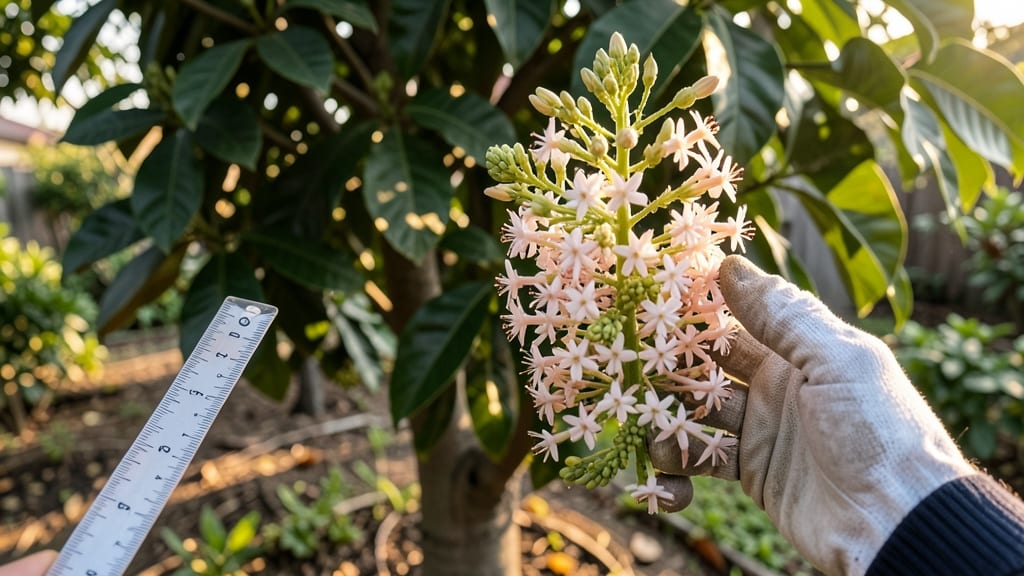
Understanding the mango tree flowering stages 🥭 is the key to unlocking a bountiful harvest, and many growers miss the subtle cues that signal each phase.
Watching your mango tree bloom for the first time is like witnessing nature’s promise of sweet rewards—but without knowing the exact flowering stages, you might miss critical care moments that determine your harvest. Here’s how to decode each phase and optimize your tree’s fruit-bearing potential.
From the first hint of panicle buds to the delicate white blossoms that precede fruit set, each stage reveals what your tree needs most. Temperature, humidity, and even pruning habits can shift the timeline, especially in General (Tropical/Subtropical) climates like 9b-11 or coastal California’s 10a-11 zones.
Below, I break down the four stages—what to watch for, how long each lasts, and the game-changer adjustments you can make to ensure every flower becomes a fruit. Ready to turn blooms into harvests?
Mango tree flowering stages explained: from bud formation to fruit set
Understanding your mango tree’s flowering stages is key to maximizing fruit production. Each phase—from tiny bud formation to fruit set—demands specific care to ensure a bountiful harvest. In tropical climates, flowering often occurs year-round, while subtropical zones experience distinct seasonal blooms like late winter or early spring.
Temperature and humidity play critical roles: ideal flowering happens between 70°F and 85°F, with relative humidity above 60%. Too much heat or cold can disrupt the process, leading to flower drop or poor fruit development.
Let’s break down each stage so you can provide the perfect conditions for your tree.
🌱
| Stage | Visual Cues | Duration | Climate Impact |
|---|---|---|---|
| Panicle Initiation | Small green clusters forming on branches | 2-4 weeks | Cooler temps (60-75°F) trigger growth |
| Bud Development | Buds swell, turn pink/white | 3-5 weeks | Humidity >60% prevents bud drop |
| Flowering | White/pink flowers open fully | 1-2 weeks | 70-85°F + breezes aid pollination |
| Fruit Set | Small fruits form, flowers drop | 4-6 weeks | Consistent watering prevents fruit loss |
The first stage, panicle initiation, begins when tiny green clusters appear on your tree’s branches. This phase is highly sensitive to temperature—ideal conditions are between 60°F and 75°F.
In subtropical zones like Zone 10a, this often happens in late winter (January-February), while tropical regions may see year-round initiation.
During bud development, those green clusters swell and turn pink or white. This stage lasts 3-5 weeks and requires high humidity (60%+) to prevent buds from drying out. If humidity drops below 50%, many buds may fall off, reducing your potential harvest.
I’ve seen this happen in dry California coastal areas—using a mist system or mulch can help retain moisture.
When flowers fully open in the flowering stage, your tree looks stunning with cascading white or pink blooms. This phase lasts only 1-2 weeks, but it’s critical for pollination.
Mango trees are self-pollinating, but gentle breezes or even a soft brush with a paintbrush can improve success. Temperatures above 85°F can cause flowers to wilt prematurely, so shade cloth may help in hot climates.
The final stage, fruit set, is when small fruits begin forming while unopened flowers drop. This is a make-or-break moment—consistent watering (but not overwatering) ensures fruits stay attached.
In tropical climates, this stage may repeat multiple times a year, while subtropical trees often produce just one main flush per season.
Pro tip: If your tree drops more than 50% of flowers, it may need potassium-rich fertilizer or better pest control. I’ve used neem oil during this stage to prevent fruit flies and aphids from damaging young fruit.
🌿
How to identify healthy vs. unproductive mango flowering signs
When your mango tree starts flowering, those delicate panicles can signal either a bountiful harvest or a disappointing failure. Healthy flowering means viable flowers that successfully pollinate, while unproductive signs like excessive flower drop or stunted growth often point to underlying issues.
Learning to read these signals early can save your harvest—and your tree’s energy.
First, focus on the panicle structure. Healthy panicles are compact and upright, with bright yellow or pinkish buds that gradually open into small, fragrant flowers. Each flower should have a prominent stamen (the pollen-producing part) and a smooth, glossy surface.
If you see dark spots or wilting buds before they even open, that’s a red flag for pest damage or nutrient deficiencies.
Healthy Mango Flowering Signs
Upright, dense clusters of buds
Yellow or pinkish, glossy appearance
Less than 10% of buds fall before opening
Unproductive Mango Flowering Signs
Sparse, drooping, or elongated clusters
Signs of fungal infection or pest damage
Over 20% of buds fall before pollination
Successful pollination is another critical sign. After flowers open, look for swollen ovary bases—this indicates fruit set. Healthy pollination also means you’ll see small green fruits forming within 2-4 weeks.
If flowers open but no fruit develops, you may have poor pollinator activity (like a lack of bees) or temperature stress (below 60°F or above 95°F can inhibit pollination).
Common issues like nutrient deficiencies often show up as yellowing leaves or stunted growth before flowering even begins. A lack of potassium or phosphorus can lead to weak panicles that fail to produce viable flowers.
Meanwhile, overwatering or poor drainage can cause root rot, which stresses the tree and reduces flowering success. Always check your tree’s soil moisture and drainage before the flowering season begins.
If you notice pest activity like aphids or mango hoppers, act fast. These pests suck sap from buds and flowers, causing them to wilt or drop prematurely. Use neem oil or insecticidal soap as a preventive spray during the bud development stage.
For nutrient issues, a balanced 6-6-6 fertilizer applied 2 months before flowering can make a big difference.
Finally, keep an eye on the tree’s overall health. A tree with vibrant green leaves, new growth, and minimal stress signs is far more likely to produce healthy flowers.
If your mango tree is young (under 5 years old), it may not flower at all—patience is key! For mature trees, prune lightly in late winter to encourage airflow and sunlight penetration, which both support better flowering.
By monitoring these signs closely, you’ll catch problems early and give your mango tree the best chance at a successful harvest. The more you observe, the more you’ll understand your tree’s unique needs—leading to sweeter rewards down the line. 🌱🥭