
Flowers
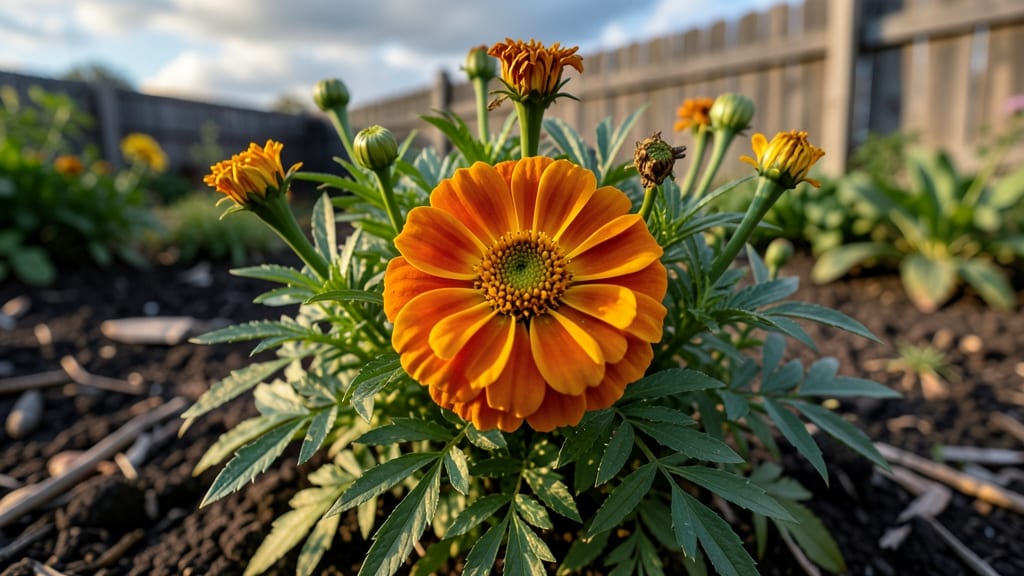
Timing your marigolds to bloom 🌼 on schedule means choosing the right planting window for your zone and variety—because those bright orange and gold flowers won’t magically appear if you plant too early or too late.
Want vibrant marigold blooms all season long? Timing your planting by USDA zone is the secret to maximizing these sun-loving flowers' potential—without wasting seeds or space.
In Zone 6a, where many gardeners call home, marigolds thrive when planted in April or May after the last frost, but the real trick is matching your variety to the season.
French marigolds burst into color in just 45 days, while taller African types take up to 90 days—so if you want summer-long blooms, you’ll need to plan ahead.
Below, I break down the best planting months for your zone, how to stretch blooms from July through October, and the simple care tweaks that keep marigolds flowering like clockwork—no guesswork required.
When to plant marigolds by USDA zone for maximum blooms
Marigolds are one of the easiest and most rewarding flowers to grow, but their bloom time depends heavily on when you plant them. Since they thrive in warm weather, timing your marigold flower time with your USDA zone ensures continuous color from early summer through fall.
Whether you're in chilly Zone 3 or balmy Zone 11, understanding frost dates and soil temperatures is key to avoiding wasted seeds or missed blooms.
Marigolds are warm-season annuals that won't tolerate frost, so planting too early can stunt their growth. Most varieties take 45-90 days to flower, meaning you'll need to stagger plantings if you want nonstop blooms.
In cooler zones, fall planting is a game-changer for extending your marigold flower time well into autumn. Let's break down the perfect planting windows by zone to maximize your marigold's potential.
| USDA Zone | Spring Planting Window | Fall Planting Window | Soil Temp Requirement | Days to Bloom |
|---|---|---|---|---|
| 3-5 | Late May - Early June (after last frost) | Late July - Early August | 60°F+ (15°C+) | 60-90 days |
| 6-8 | Mid-April - Mid-May | Mid-August - Early September | 60°F+ (15°C+) | 50-75 days |
| 9-11 | February - March (or year-round in Zone 11) | September - October | 55°F+ (13°C+) | 45-60 days |
In USDA Zones 3-5, where frost lingers late into spring, wait until the soil temperature consistently reaches 60°F (15°C) before planting. This usually aligns with late May, giving marigolds enough time to establish roots before summer heat arrives.
For fall planting, aim for late July to early August—this ensures blooms before the first frost hits in October. A soil thermometer is your best friend here; marigolds won't germinate well in cold soil.
Gardeners in Zones 6-8 have more flexibility. You can start marigolds as early as mid-April, but be prepared to protect them with row covers if late frosts threaten. For fall color, plant in mid-August to early September.
This timing lets marigolds mature before cooler weather sets in, often resulting in longer-lasting blooms. In these zones, succession planting every 2-3 weeks will give you continuous marigold flower time from June through November.
If you live in Zones 9-11, you're in luck—marigolds thrive year-round in these warm climates! Plant in February-March for spring blooms or September-October for winter color. In Zone 11, you can even plant marigolds in December for early spring flowers.
The key is to avoid planting during extreme heat waves, as seedlings may struggle to establish. Always choose shade cloth if temperatures exceed 90°F (32°C) during germination.
Pro tip: Use black plastic mulch to warm the soil faster in cooler zones, accelerating germination. This trick is especially useful in Zones 3-5, where soil can take longer to reach ideal temperatures.
For fall plantings, focus on dwarf varieties like 'Tangerine Gem' or 'Bonanza,' which bloom faster and handle cooler nights better than tall types. These choices extend your marigold flower time by weeks.
Remember, marigolds are self-seeding in many zones, especially 7 and above. If you let a few flowers go to seed, you'll often get volunteer plants popping up the next season—nature's way of giving you a head start!
However, if you want to control where they appear, deadhead spent blooms regularly. This practice not only keeps your garden neat but also encourages more continuous flowering throughout the season.
For container gardening, marigolds are perfect for patios and balconies. Plant them in well-draining pots and keep them in full sun. In cooler zones, bring containers indoors before frost or use heat mats to extend the growing season.
This method works wonders for Zone 6 gardeners who want to enjoy marigolds even in early spring or late fall. Just ensure your containers have drainage holes to prevent root rot.
Finally, don't overlook the power of companion planting to protect your marigolds from pests like nematodes. Planting them near tomatoes, peppers, or cucumbers not only enhances your garden's beauty but also improves the health of your vegetables.
This symbiotic relationship is a gardener's secret weapon for maximizing marigold flower time while boosting your overall harvest.
Marigold varieties and their unique flowering times
Marigolds aren’t just one type of flower—they’re a dazzling family with three main varieties, each offering a different flowering timeline and seasonal color punch. Whether you’re chasing early summer blooms or extending fall color, picking the right type makes all the difference.
French marigolds pop up fast, African types tower with dramatic blooms, and Mexican varieties bring bold hues—all with their own days-to-bloom secrets.
Here’s how each variety fits into your garden’s seasonal calendar, including their sunlight needs, height range, and best planting windows to ensure you’re not left waiting months for color.
The key? Matching your variety to your USDA zone and planting time for nonstop blooms from June through October.
French marigolds are the fastest bloomers in the group, making them perfect for early-season color or succession planting. Their compact size (12–24 inches) and 45–60 days to bloom mean you can squeeze in multiple plantings for continuous flowers.
Try varieties like ‘Bonanza’ or ‘Tangerine’ for a burst of golden-yellow in June and July, just when other flowers are still waking up.
African marigolds, on the other hand, are the tallest and longest-blooming type, reaching 24–36 inches and taking 60–90 days to flower. Plant them in late spring (April–May) for a mid-summer show that lasts until frost.
Their dramatic double blooms in deep oranges and reds make them standout cut flowers—ideal for bouquets from August through October.
For extended fall color, Mexican marigolds are my secret weapon. These heat-tolerant beauties thrive in partial shade and bloom in 50–70 days, often pushing flowers into November if planted in July.
Their bold, ruffled petals in shades of gold and bronze add a tropical touch to late-season gardens. Mix ‘Mexican Sun’ with French types for a nonstop color parade from June to frost.
Pro tip: Deadhead spent blooms weekly to encourage new flowers, and pair French marigolds with African types for a height and color gradient that keeps your garden looking full from spring to fall. With the right variety mix, you’ll never have a bare patch or color gap again!