
Picking
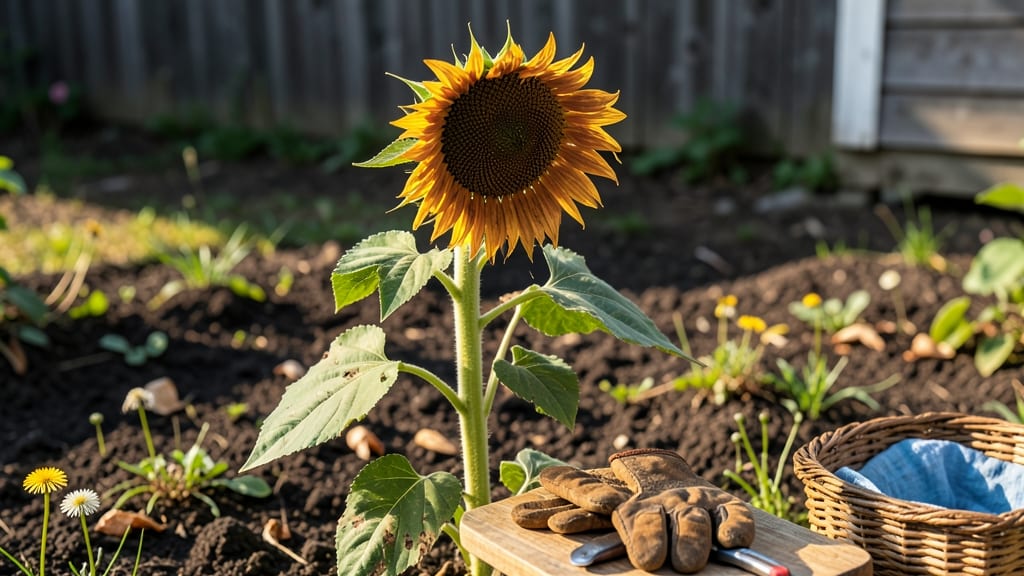
Harvesting sunflowers at the right time unlocks their full potential—whether you're after plump seeds, vibrant blooms, or both.
Sunflowers aren’t just stunning garden stars—they’re powerhouses of nutrition and profit when harvested at the perfect time. But knowing exactly when to cut for maximum seed yield can mean the difference between a handful of seeds and a bountiful harvest.
Look for these key signs: the back of the petals turning yellowish-brown, a dry, papery seed head that rattles when shaken, and petals that wilt and droop noticeably. These visual cues tell you the seeds are ripe and ready to harvest.
In this guide, I’ll walk you through the ideal sunflower harvest time, how to cut for the best yield, and common mistakes to avoid—so you can enjoy a rich harvest every season.

How to determine the perfect sunflower harvest time by flower stage
Timing your sunflower harvest correctly ensures maximum seed yield and prevents wasted effort. The key lies in observing three critical visual cues: petal condition, seed head color, and moisture content. Miss these signs, and you might harvest too early (shriveled seeds) or too late (birds steal them all).
Let’s break down exactly what to look for at each flower maturity stage.
First, focus on the petals. When they begin to droop noticeably and turn brown at the edges, this signals the plant is redirecting energy to seed production.
The back of petals will also develop a yellowish-brown hue. If you see bright yellow petals still fully open, your sunflower needs more time—don’t harvest yet!
Next, examine the seed head. A mature sunflower head should feel dry and papery to the touch, almost like crumpled paper. Gently shake it—if seeds rattle inside, that’s a green light for harvest.
If the head is still green or spongy, it’s not ready. This stage is where many gardeners go wrong, assuming "big = ready" when the seeds are still moist and undeveloped.
| Stage | Visual Cues | Action | Timeframe |
|---|---|---|---|
| Early Bloom | Bright yellow petals, fully open | Wait 4-6 weeks | 50-75 days after planting |
| Petal Droop | Brown edges, wilted petals | Monitor daily | 75-90 days after planting |
| Seed Maturity | Dry seed head, rattles when shaken | Harvest immediately | 90-120 days after planting |
| Overripe | Seed head splits, seeds scatter | Too late—birds already feasted | Beyond 120 days |
Don’t overlook the seed moisture content, which is the final checkpoint. Snap open a seed head and check a few seeds—if they’re hard and dry, they’re ready. If they’re still slightly soft or sticky, wait another 3-5 days.
Pro tip: Use a moisture meter (or your tongue!) for precision. Seeds with 10% moisture or less are ideal for storage.
Regional factors play a role too. In cooler climates (USDA Zones 3-5), aim to harvest by early September to avoid early frost damage. In warmer zones (6-10), you might extend harvest until October. Always prioritize dry weather for cutting—wet conditions speed up mold growth during drying.
For cutting sunflowers for bouquets, harvest when petals are fully open but still vibrant (before drooping). For seed production, wait until the seed head is fully dry. This dual-purpose plant rewards attention to detail—harvesting at the wrong stage could mean losing both beauty and bounty!
One common mistake? Harvesting based on flower size alone. A giant sunflower head doesn’t guarantee mature seeds. Always combine petal color, seed head dryness, and moisture content for accuracy. If you’re unsure, err on the side of waiting—overripe seeds are easier to deal with than underripe ones.
Pro move: Mark your calendar 75-90 days after planting as your harvest window. Most sunflower varieties (like 'Mammoth' or 'Autumn Beauty') follow this timeline, but always check seed packets for specifics. With these cues, you’ll never second-guess harvest time again—just watch those seeds rattle and shine!
🌻
Best practices for cutting sunflowers to preserve seed quality
Once your sunflowers reach maturity, the next critical step is harvesting at the right time to preserve seed quality. Cutting too early means immature seeds, while waiting too long risks mold or seed loss. Timing your harvest correctly ensures maximum yield and healthy seeds for next year's garden.
Morning is the ideal time to harvest sunflowers because the dew has dried, reducing moisture that can promote fungal growth during drying. Avoid harvesting in the afternoon when seeds may be warmer and more prone to cracking when dried.
Always use clean, sharp tools to prevent damage to the seed heads.
After harvesting, avoid washing the seed heads, as moisture can spawn mold during the drying process. If you notice white or black spots on seeds, discard them immediately to prevent contamination of your entire batch. Proper drying and storage ensure viable seeds for planting next season.
For large-scale harvesting, consider using a seed thresher or simply rubbing dried seed heads over a clean tarp to collect seeds efficiently. Always wear gloves to avoid skin irritation from sunflower sap, which can cause allergic reactions in some people.
By following these best practices, you’ll maximize your seed yield and ensure high-quality seeds for future plantings. Happy harvesting! 🌻