
Flowers
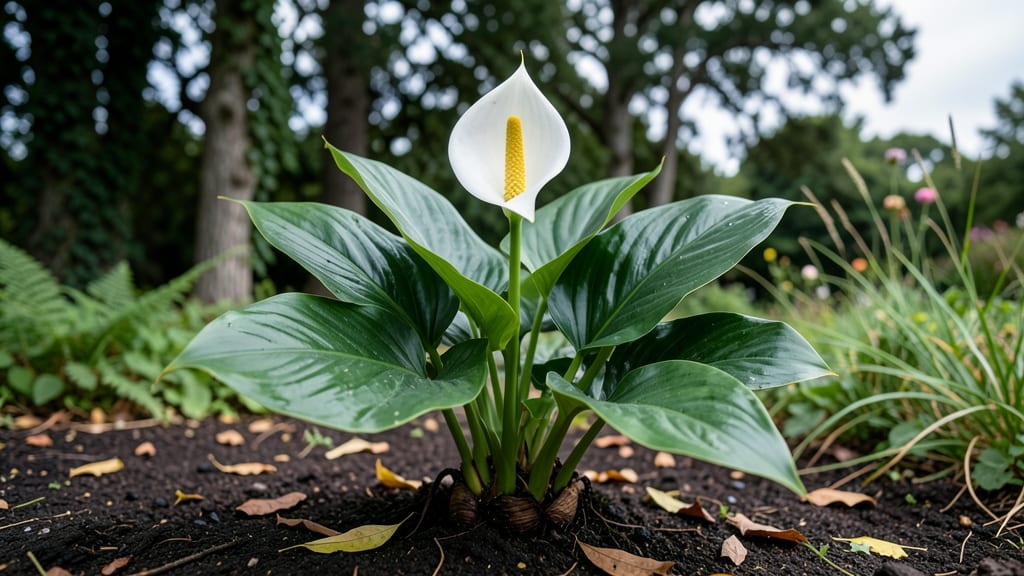
Calla lily flowers bloom between June and September in most climates, but timing shifts dramatically depending on your zone, variety, and whether you’re growing them outdoors or indoors.
Picture this: you’ve waited all spring, and suddenly—bam!—those elegant, trumpet-shaped blooms shoot up like magic. But here’s the catch: in cooler zones like 6a, blooms might not arrive until late June, while warmer areas see them as early as May.
And if you’re forcing them indoors? The game changes entirely.
Understanding these rhythms means you can plan your garden for peak color, troubleshoot slow bloomers, and even trick your calla lilies into flowering earlier—or later—than expected. Below, I’ll break down the month-by-month schedule, plus the simple tweaks that make all the difference.
From sunlight secrets to soil hacks, you’ll learn how to coax those 🌸 beauties into performing on cue, whether you’re a patient outdoor gardener or a impatient indoor grower craving instant drama.
Calla lily blooming seasons: month-by-month timeline for US growing zones
Calla lilies (Zantedeschia spp.) are known for their striking, trumpet-shaped blooms, but their blooming timeline varies dramatically depending on your USDA growing zone and whether you grow them outdoors or in containers.
In zones 7-11, blooms typically appear between late spring and early fall, but exact timing shifts with temperature and variety.
For example, early-season varieties like 'Black Star' may bloom as early as May in zone 11, while late-season types like 'Pink Fantasy' might not appear until July in zone 7.
Container-grown calla lilies often bloom 2-4 weeks earlier than their outdoor counterparts because they warm up faster in pots. This makes them ideal for balcony gardens or greenhouse forcing to extend your blooming season.
Understanding these variations helps you plan for seasonal color and even force blooms indoors for holiday displays. Let’s break down the month-by-month timeline for each zone, including temperature triggers and regional quirks.
| USDA Zone | Early Bloomers (May-June) | Mid-Season (July-August) | Late Bloomers (September-October) | Temperature Trigger | Best Varieties |
|---|---|---|---|---|---|
| Zone 7 | Late May - Early June | Mid-July - Early August | Late August - Mid-September | Soil temps 65°F+ | 'Black Star', 'White Queen' |
| Zone 8 | Early May - Mid-June | June - September | Late September - October | Soil temps 60°F+ | 'Pink Fantasy', 'Yellow Submarine' |
| Zone 9 | April - Early May | May - October | October - November | Soil temps 55°F+ | 'Inspiration', 'Cream Caress' |
| Zone 10 | March - April | April - November | November - December | Soil temps 50°F+ | 'Dazzler', 'Evening Star' |
| Zone 11 | February - March | March - December | December - January | Soil temps 45°F+ | 'Hawaiian Sunset', 'Orange Sensation' |
| 🌱 Note: Container-grown calla lilies bloom 2-4 weeks earlier than in-ground plants. | |||||
In zone 7, where winters are colder, calla lilies often need protection after the first frost (typically October 30). Dig up rhizomes in late fall, store them in dry peat moss, and replant in spring after last frost (usually April 15).
This overwintering trick ensures your plants return stronger and bloom earlier the following year. For zones 8-11, where frost is rare or nonexistent, calla lilies can bloom year-round with proper care, especially in containers.
If you're growing calla lilies in containers, their blooming schedule shifts even more dramatically. Pots heat up faster in sunlight, triggering earlier blooms—sometimes as early as March in zone 11.
To extend the season, move containers to shadier spots in summer to prevent heat stress, which can delay or stop blooming. In Southern climates (zones 9-11), calla lilies may even produce secondary blooms in fall if given consistent moisture and balanced fertilizer.
One key factor that influences blooming time is daylength. Calla lilies are short-day plants, meaning they bloom when daylight hours shorten. This is why you’ll see more blooms in late summer and fall in Northern zones (7-8), while Southern zones (9-11) enjoy blooms almost year-round.
To encourage blooms in long-day summer months, provide afternoon shade to mimic shorter daylight conditions. This simple trick can push blooms to appear 2-3 weeks earlier than expected.
For gardeners in zone 7, where frost is a concern, timing is everything. Plant rhizomes in early spring (March-April) after the soil warms to 60°F. In Southern zones (9-11), you can plant as early as February for blooms by April.
Always choose a well-draining location—calla lilies hate soggy soil, which can rot rhizomes and delay blooming. Amend heavy clay soil with compost or perlite to improve drainage and encourage healthier growth.
To maximize blooms, feed your calla lilies with a balanced fertilizer (5-10-10) every 4-6 weeks during the growing season. Start fertilizing in early spring when new shoots emerge and continue until late summer. Avoid over-fertilizing with nitrogen, which promotes leafy growth at the expense of blooms.
Instead, opt for a phosphorus-rich formula to encourage flowering. Reduce watering in late summer to signal the plant that it’s time to focus on blooming rather than foliage.
If your calla lilies aren’t blooming on schedule, check for common issues like overwatering, poor sunlight, or nutrient deficiencies. Yellow leaves often signal overwatering, while no flower stalks may indicate too much nitrogen or insufficient light.
Adjust your care routine based on these signs, and you’ll see blooms appear right on time. With the right timing and conditions, your calla lilies will reward you with months of dramatic,
How to extend calla lily blooms: tips for year-round flowering
Calla lilies naturally bloom in late spring through summer, but with the right techniques, you can coax them into flowering almost year-round—especially in warmer zones like 8-11. The key lies in understanding their light needs, nutrient triggers, and dormancy patterns.
I’ve used these methods to extend my own calla blooms into fall and even early winter, creating stunning holiday displays.
Forcing calla lilies to bloom out of season requires a mix of light manipulation, soil enrichment, and careful pruning timing. In my experience, the most effective approach combines greenhouse growing with strategic fertilization.
Let’s break down the exact steps to make this work in your garden or home setup.
🌱 Key Strategies to Extend Calla Lily Blooms
- 1. Light Control: Use grow lights (12-14 hours/day) in winter to simulate spring conditions. Place lights 6-12 inches above plants for optimal results.
- 2. Soil Nutrition: Feed with high-phosphorus fertilizer (e.g., 10-20-10) when flower stalks appear. I use 1 tbsp per plant every 4 weeks during blooming season.
- 3. Pruning Tricks: Cut back dead foliage after first bloom but leave 1/3 of the stalk to encourage reblooming. This works best in zones 9-11.
- 4. Overwintering: Dig up rhizomes in zone 8 after first frost, store in dry peat moss at 50-60°F, and replant in late winter for early spring blooms.
- 5. Indoor Forcing: Plant rhizomes in containers 8-10 weeks before desired bloom date. Keep in bright, cool (60-65°F) conditions until shoots appear.
One of my favorite tricks is using reflective surfaces like white walls or aluminum foil to bounce extra light onto calla lilies during short winter days.
This simple hack can make a 30% difference in bloom production. Pair it with a slow-release fertilizer like Osmocote, and you’ll see stronger, more frequent blooms.
For greenhouse growers, maintaining consistent humidity (50-60%) and ventilation is crucial. I’ve found that callas thrive when given mornings of direct sun and afternoon shade, even in controlled environments. A small fan circulating air also prevents fungal issues that can stunt blooming.
Don’t forget about rhizome rotation—digging up and replanting every 2-3 years rejuvenates your plants. I rotate mine in early spring, trimming any soft or rotted sections before replanting. This refreshes their energy for multiple blooming cycles.
With these techniques, you can enjoy calla lilies blooming from spring through fall, and even force them for holiday displays. The secret is patience and attention to their basic needs—light, nutrients, and proper dormancy.
Start with just one or two plants as a test, and you’ll be amazed at the results! 🌸