
Flowers
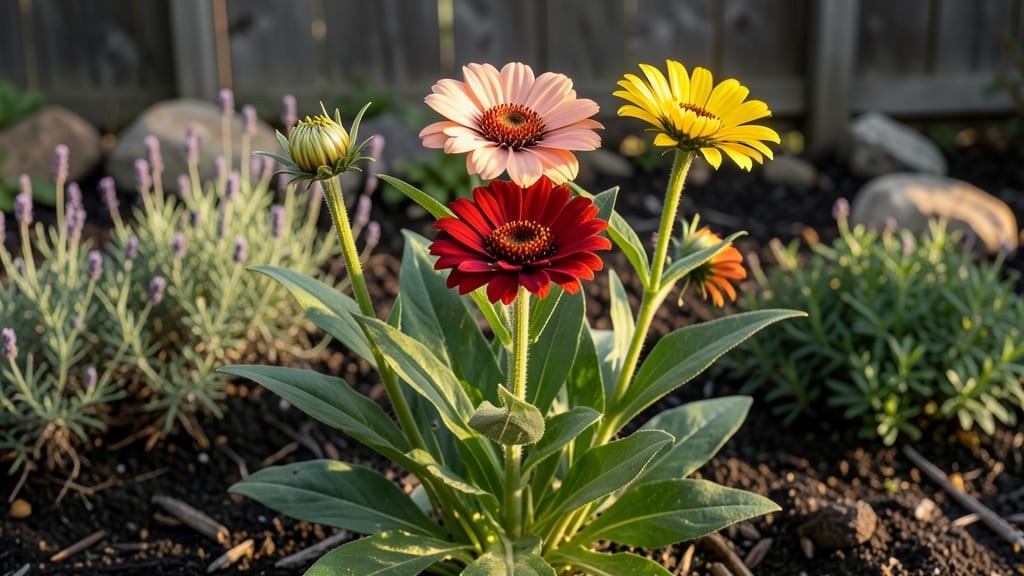
Zinnia flowers bloom from late spring through fall, turning your garden into a riot of color 🌸 once the soil warms and the days stretch long.
Picture this: you’ve just planted your zinnias in April, and by mid-July, they’re erupting with bold blooms that last until the first frost. But timing isn’t just about the calendar—it’s about heat, variety, and a little extra care.
In USDA Zone 6a, where most gardeners live, zinnias typically kick off their show in July and keep it up until October, though early varieties can surprise you with flowers as soon as June if you plant them right after the last frost.
Below, I’ll break down the exact bloom windows by variety, how to push your zinnias to flower earlier or later, and the simple tricks—like deadheading—that keep them blooming like crazy all season.
Zinnia bloom timeline: month-by-month heat requirements
Zinnias thrive in warm temperatures and reward gardeners with bold, long-lasting blooms once they reach their ideal growing conditions. Understanding their heat requirements and month-by-month bloom timeline helps you plan for a continuous summer display from early summer through frost.
In USDA zones 5-10, timing varies slightly, but the core principle remains: zinnias need heat to bloom.
If you plant too early in cooler zones, seedlings may stunt or rot from cold soil. Conversely, planting too late in hot zones can delay blooms until late summer, missing the peak early-season color.
The key is aligning your planting date with your last frost date and average summer temperatures. For example, in USDA zone 7, zinnias typically bloom from July through October, while in zone 10, they may start as early as May and continue until December.
| USDA Zone | Planting Time | First Blooms | Peak Blooms | Last Blooms | Heat Needs |
|---|---|---|---|---|---|
| 5-6 | Mid-May to early June | Late July | August-September | Early October | 70°F+ for blooms |
| 7-8 | Early May | Late June | July-August | Late September | 65°F+ for blooms |
| 9-10 | March-April | May | June-September | November | 60°F+ for blooms |
In USDA zones 5-6, where summers are shorter, zinnias need a head start. Start seeds indoors 6-8 weeks before your last frost date, then transplant outdoors after soil warms to at least 50°F (10°C).
In these cooler regions, early varieties like 'Thumbelina' or 'Profusion' are ideal—they bloom faster and tolerate milder heat better than giant varieties.
For zones 7-8, the sweet spot is planting seeds directly in the garden in early May. Soil temperatures above 60°F (15°C) trigger rapid germination, and blooms appear in 60-70 days.
These zones offer the longest continuous bloom period, often from late June through September, if you deadhead regularly and provide consistent moisture.
In zones 9-10, zinnias can bloom year-round with proper care, but they still need warmth to trigger flowering. Plant in late winter or early spring for blooms as early as May.
However, summer heat above 90°F (32°C) can cause zinnias to bolt or stop blooming. Provide afternoon shade and increase watering frequency to prevent stress during peak heat.
Temperature plays a critical role in zinnia blooming speed. Below 60°F (15°C), growth slows dramatically, delaying blooms by weeks. Conversely, consistent temperatures above 70°F (21°C) accelerate flowering.
For example, in USDA zone 7, zinnias planted in early May may bloom in late June, while those planted in late May might not bloom until early August.
To extend the bloom season, choose a mix of early, mid, and late varieties. For instance, plant 'Profusion' (early) in March (zones 9-10) and 'Benary’s Giant' (late) in June for a continuous display.
Succession planting—sowing new seeds every 2-3 weeks—also ensures fresh blooms throughout the season. In cooler zones, focus on late-summer varieties to maximize fall color.
Heat waves can stress zinnias, causing buds to drop or flowers to wilt prematurely. If temperatures exceed 90°F (32°C) for extended periods, provide light shade cloth and water deeply in the early morning to keep roots cool.
Mulching with straw or shredded leaves helps retain soil moisture and moderates temperature fluctuations.
One common mistake is assuming zinnias will bloom immediately after transplanting. In reality, they need 4-6 weeks of established growth before producing buds. If you notice no blooms after 8 weeks, check for nutrient deficiencies (add a balanced fertilizer) or pests (like aphids or spider mites).
Overcrowding also stunts blooms—space plants 12-18 inches apart for optimal airflow and sunlight penetration.
For gardeners in high-altitude areas (e.g., Denver, CO), zinnias may bloom 2-3 weeks later than predicted due to cooler nights. Adjust planting dates by 2 weeks later than your zone’s guidelines and choose dwarf varieties like '
How to extend zinnia blooms: pro tips for longer season color
Once your zinnias start blooming, you’ll want those vibrant flowers to last as long as possible. The secret to extending their show lies in a few simple but powerful techniques that keep them healthy and productive.
Start with deadheading—this isn’t just a fancy term, it’s your #1 tool for more blooms!
Deadheading means snipping off spent flowers before they form seeds. When you do this every 2-3 days, your zinnias redirect their energy into producing new blooms instead of seed heads. Use clean, sharp pruning shears or even your fingers to pinch off faded flowers at the base.
- 1. Deadhead daily: Snip off spent blooms to encourage new flowers 🌺
- 2. Feed monthly: Use balanced 10-10-10 fertilizer every 4-6 weeks ☀️
- 3. Water deeply: Soak soil 1-2 inches every 3-5 days (more in heat) 💧
- 4. Mulch heavily: 2-3 inches of mulch retains moisture and cools roots ✂️
- 5. Plant companions: Marigolds deter pests while boosting growth 🌿
Don’t overlook the power of soil nutrition. Zinnias thrive when their roots get regular nourishment. Mix compost into the soil before planting, then feed them every 4-6 weeks with a balanced fertilizer like 10-10-10. This keeps their growth vigorous and blooms abundant throughout the season.
Your watering schedule makes a bigger difference than you might think. Zinnias need consistent moisture, but they hate soggy roots. Water deeply once or twice weekly, soaking the soil about 1-2 inches each time.
In hot summer months, you may need to water every 2-3 days to prevent wilting. Always water at morning to reduce fungal risks.
Another game-changer is mulching. Spread a 2-3 inch layer of organic mulch around your zinnias to lock in moisture and keep roots cool. This simple step reduces watering needs by up to 30% while preventing soil-borne diseases that can cut blooms short.
For extra protection against pests like aphids and spider mites—common zinnia troublemakers—plant them near marigolds or basil. These companions repel pests naturally while improving growth. A healthy zinnia plant will reward you with weeks of continuous blooms instead of just a single flush.
With these simple strategies, your zinnias could bloom from June through October—or even later in warm climates! The key is consistency: deadhead regularly, feed monthly, water wisely, and protect your plants. Your garden will thank you with a nonstop parade of color 🌻