
Flowers
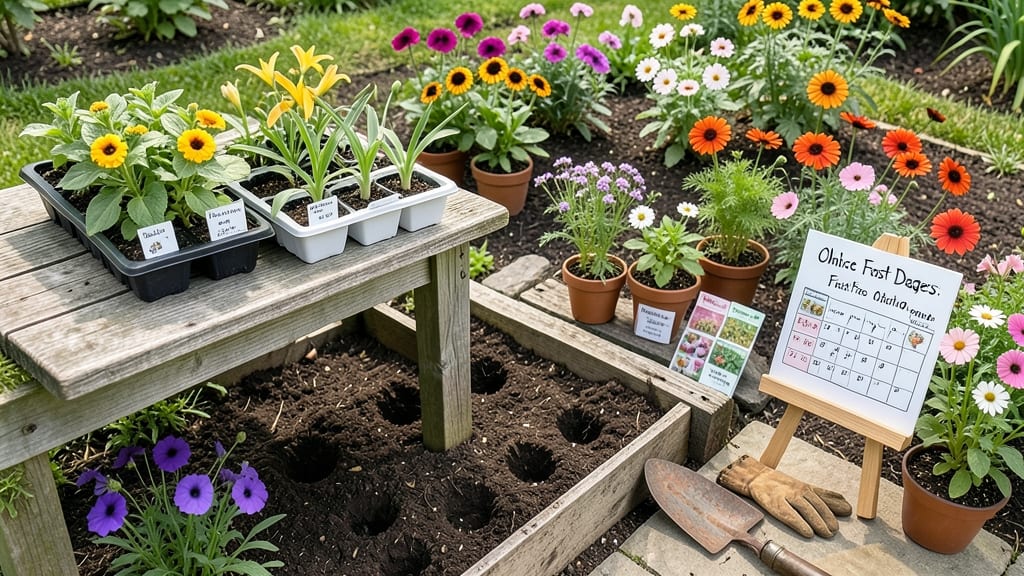
Planting flowers in Ohio after the last frost date — typically mid-April but varying by zone — sets the stage for a garden bursting with color.
Ohio’s unpredictable spring weather can turn a perfect gardening plan into a guessing game—but timing your flower planting just right ensures vibrant blooms all season long.
Whether you’re growing hardy perennials like coneflowers or delicate annuals like zinnias, knowing your zone’s last frost date is the key to avoiding frost damage and maximizing your garden’s potential.
Here’s how to pinpoint the best planting window for your Ohio zone, which flowers thrive in each season, and pro tips to extend your blooms from spring through fall.
Ohio last frost dates by Zone: the critical planting timeline
Ohio’s 9 USDA growing zones (5a-6b) create dramatic differences in last frost dates—sometimes 3+ weeks apart—which directly impacts when you can safely plant flowers.
In Zone 5a (northern Ohio), the average last frost hovers around April 25, while Zone 6b (southern Ohio) typically sees its final freeze by April 5.
These dates mark the transition from winter’s chill to summer’s warmth, but they’re just averages—your microclimate (like a south-facing slope or urban heat island) can shift your planting window by 1-2 weeks.
To pinpoint your exact last frost date, I recommend using the National Oceanic and Atmospheric Administration (NOAA) frost calculator or checking local Cooperative Extension Service records. For example, Columbus (Zone 6a) averages a last frost on April 15, but Toledo (Zone 5b) often waits until May 1.
Even a 10-day delay can mean the difference between thriving petunias and frozen seedlings. Don’t guess—verify with 3-5 years of local data for accuracy.
| Zone | Avg. Last Frost | Safe Planting Window | Annual Flowers | Perennial Flowers |
|---|---|---|---|---|
| 5a (e.g., Cleveland, Youngstown) | April 25–May 5 | May 10–20 | Marigolds, Snapdragons | Coneflowers, Black-Eyed Susans |
| 5b (e.g., Akron, Mansfield) | April 15–25 | April 30–May 10 | Zinnias, Petunias | Daylilies, Bearded Iris |
| 6a (e.g., Columbus, Dayton) | April 5–15 | April 20–May 5 | Geraniums, Impatiens | Peonies, Shasta Daisies |
| 6b (e.g., Cincinnati, Lexington) | March 25–April 5 | April 10–20 | Vinca, Begonias | Lavender, Russian Sage |
For annual flowers, which complete their life cycle in one season, timing is everything. Plant cold-hardy varieties like marigolds or snapdragons 2–4 weeks before your last frost date to give them a head start.
In Zone 5a, that means sowing seeds indoors by March 15 or starting transplants outdoors no earlier than May 10. Warm-season annuals like zinnias or petunias, however, need soil temperatures above 60°F (15°C)—so wait until 2 weeks after your last frost date to avoid stunted growth from cool soil.
Perennials, which return year after year, are more forgiving but still benefit from strategic planting. In Zone 6b, you can tuck in hardy perennials like coneflowers or black-eyed Susans as early as March 20 if you’re using row covers for protection.
For delicate perennials like peonies or hostas, wait until April 10 to ensure the soil has warmed enough to prevent root rot. Pro tip: Divide perennials in early spring (March–April) to encourage vigorous growth before the summer heat arrives.
Ohio’s fall planting window (August–September) is often overlooked but ideal for cool-season flowers like pansies or calendulas. These varieties thrive when daytime temperatures drop below 75°F (24°C), which typically happens by mid-August in Zone 6b and late August in Zone 5a.
Plant 6–8 weeks before your first frost (usually October 15) to ensure they establish roots before winter sets in. This strategy gives you colorful blooms in early spring with minimal effort.
Microclimates can drastically alter your planting timeline. A south-facing wall might warm up 1–2 weeks earlier than your average last frost date, while a low-lying area could delay it by the same amount.
To test your microclimate, place a thermometer and frost-sensitive plants (like basil) in suspected hot/cold spots for 2–3 years.
For example, my urban garden in Columbus (Zone 6a) has a microclimate that’s 5 days warmer than the NOAA average—so I adjust my planting by 1 week earlier for heat-loving flowers like sunflowers or cosmos.
If you’re unsure about your exact last frost date, use the Almanac’s Frost/Freeze Calculator (available at almanac.com) or check your local agricultural extension office. These tools account for historical trends, elevation, and latitude to give you a 90%+ accuracy prediction.
For example, Lima (Zone 5b) has a 10-day later average than nearby Delaware (Zone 6a)—a detail that can make or break your spring planting schedule. Always cross-reference with 3 years of local data to build a reliable planting plan.
For container gardening, which heats up faster than in-ground soil, you can often plant 1–2 weeks earlier than the average last frost date. Containers absorb and retain heat
Best flowers to plant in Ohio by season: cool vs. warm-loving varieties
Ohio’s diverse climate means some flowers thrive in cool spring temperatures while others need warm summer heat to bloom. Knowing which varieties fit your planting window is key to a year-round garden full of color.
Cool-season flowers like pansies and snapdragons can handle Ohio’s early spring chill, while zinnias and marigolds wait for warmer soil to sprout.
For spring planting, focus on hardy annuals and perennials that tolerate light frosts after emerging. In summer, heat-loving tropical varieties like sunflowers and cosmos take center stage. Even fall planting offers chances with cool-resistant bulbs like chrysanthemums and aster flowers.
| Season | Best Flowers | Planting Time | Notes |
|---|---|---|---|
| Spring | Pansies, Snapdragons, Sweet Alyssum | March–April (after last frost) | Tolerate light frost; bloom early |
| Summer | Zinnias, Marigolds, Sunflowers | May–June (after soil warms) | Need full sun and warm soil |
| Fall | Chrysanthemums, Asters, Tulips | August–September (6–8 weeks before frost) | Cool-season bloomers for late color |
| Perennials | Coneflowers, Black-Eyed Susans, Lavender | Spring or fall (transplant early) | Establish roots before winter dormancy |
| Bulbs | Tulips, Daffodils, Hyacinths | Fall (October–November) | Plant in cool soil for spring blooms |
My go-to spring flowers are pansies and snapdragons—they handle Ohio’s unpredictable March weather like champs. Plant them 4–6 weeks before your last frost date for early blooms. For summer heat, zinnias and marigolds are my top picks because they thrive in 90°F+ temperatures and repel pests.
Don’t overlook fall planting! Chrysanthemums and asters add late-season color and handle cool nights beautifully. Even tulip bulbs planted in fall reward you with spring blooms without extra effort. For perennials, coneflowers and black-eyed Susans are low-maintenance and return year after year.
Pro tip: Use mulch after planting to regulate soil temperature and retain moisture. This is especially helpful in Ohio’s swinging seasons where late frosts can still sneak in. Pair cool-loving and warm-loving flowers in your beds for a continuous bloom from spring to fall.