
Propagation
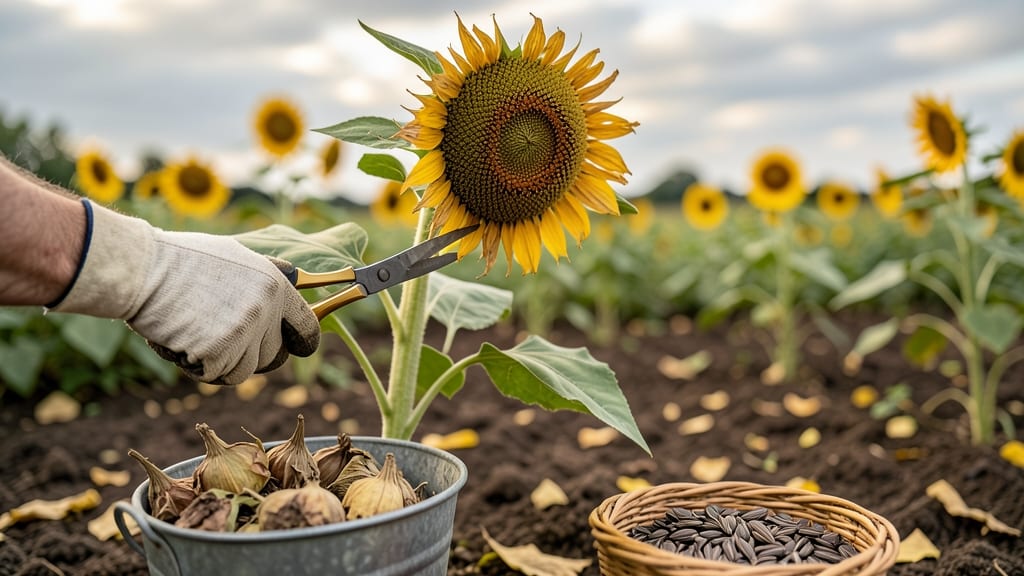
Cutting sunflower heads at the right time ensures you save the best seeds for next year’s garden — and skipping this window means wasted effort.
Sunflowers aren’t just stunning garden stars—they’re seed-saving goldmines. Knowing exactly when to harvest those heads ensures you’ll get the best seeds for next year’s garden. Miss the window, and you risk poor germination or even wasted effort.
Most gardeners wait until the petals turn brown and the seed heads rattle dry, but timing isn’t just about color—it’s also about weather. A sudden rainstorm can ruin your seeds if you’re not ready, while cutting too early means immature seeds that won’t sprout.
Below, I’ll walk you through the three key signs your sunflower heads are ready, plus how to store them properly to keep your seeds viable. No more guesswork—just a foolproof method for seed-saving success.
3 Clear signs your sunflower heads are ready for seed harvesting
Sunflowers reach their peak beauty—but their true value lies in those seed-filled heads. Timing your harvest correctly ensures you collect viable seeds for next year's garden. Cut too early, and you’ll get immature seeds that won’t sprout.
Wait too long, and the seeds may scatter or spoil. Here’s how to spot the perfect moment.
Harvesting at the right stage guarantees high germination rates and prevents wasted effort. The three key indicators—petal drop, seed color, and head dryness—work together like a gardener’s checklist.
Miss even one, and you risk poor-quality seeds. Let’s break down these unmistakable signs so you never guess again.
Watch for yellowing petals that droop and fall off. The back of the flower head should turn completely yellow—this signals the seeds are fully mature. If petals are still bright yellow or fully attached, wait a few more days.
Gently shake a closed seed head. If it rattles loudly, the seeds inside are dry and ready. A soft or muffled sound means they still need time. Pro tip: Morning harvests work best—dew can mask dryness.
Split open a seed pod to check. Black or dark brown shells mean the seeds are fully hardened. If they’re still white, green, or soft, the seeds aren’t ready. Overripe seeds (gray or shriveled) are past their prime.
Don’t rely on flower size alone—some varieties stay large even when seeds are underdeveloped. For example, Mammoth sunflowers may look impressive but need those three key checks before cutting. Skipping the seed-shell test is a common mistake that leads to low germination rates.
Harvesting in the early morning after dew dries but before the sun peaks helps preserve seed quality. Use clean, sharp pruners to cut 2-3 inches of stem below the head. This prevents the head from touching the ground, which can cause rot or mold during drying.
Once cut, hang the heads upside down in a dry, well-ventilated spot (like a garage or shed) for 2-3 weeks. Avoid direct sunlight—it can overdry the seeds and reduce viability. Check weekly for pests like rodents or birds, which may target ripe seed heads.
If you’re unsure whether your seeds are ready, perform the 'float test': Drop a few seeds in water. Viable seeds sink; floaters are non-viable. This quick trick saves time and effort when prepping for next year’s planting.
Store dried seeds in a cool, dark place in a sealed container for up to 3 years.
Timing your harvest correctly isn’t just about seeds—it’s about preserving your sunflower’s legacy in your garden. Whether you’re saving seeds for heirloom varieties or simply reducing waste, these three clear signs will transform your sunflower harvest from guesswork to a reliable, rewarding process.
🌻
Step-by-Step guide: how to properly cut and dry sunflower heads for seed saving
Timing is everything when it comes to cutting sunflower heads for seed saving. Harvest too early, and your seeds won’t germinate. Wait too long, and they’ll shatter or attract pests.
The best time to cut is on a dry, sunny morning when the heads are fully mature but haven’t yet started shedding seeds naturally.
Once you’ve confirmed your sunflower heads are ready (petals drooped, back yellow, and seeds dark inside), the next step is proper cutting and drying. This process preserves seed viability and prevents mold or pest infestations. Follow these steps to ensure your seeds stay fresh and ready for next year’s planting.
- 🌞 Step 1: Choose the Right Time
Cut sunflower heads in the early morning (before 10 AM) on a dry, sunny day. Morning cuts reduce moisture buildup, which is critical for drying. - 🪒 Step 2: Use Clean Tools
Use a sharp pruner or knife to cut the head 1-2 inches above the stem. Sterilize tools with rubbing alcohol to prevent disease transfer. - 🌿 Step 3: Remove Petals and Leaves
Strip off all petals and green leaves to speed up drying. Leave only the seed head and stem attached. - 🏠 Step 4: Hang for Drying
Hang heads upside down in a well-ventilated, dry space (like a garage or shed). Avoid direct sunlight to prevent overheating. - ⏳ Step 5: Wait 2-4 Weeks
Drying takes 2-4 weeks, depending on humidity. Test readiness by gently squeezing a seed—it should crush easily and not feel moist.
If you’re in a humid climate, drying may take longer. Place a dehumidifier nearby or use a fan on low speed to circulate air. Avoid rushing the process—overly moist seeds will mold, ruining your entire batch.
Once fully dry, store the heads in a paper bag or breathable container in a cool, dark place. Check for pests like weevils or mold every few weeks. Properly stored seeds remain viable for 2-3 years, so label your containers with the variety and harvest year.
With this method, you’ll have a reliable supply of sunflower seeds for years to come—no more buying new packets or guessing when to harvest. Happy seed saving! 🌻