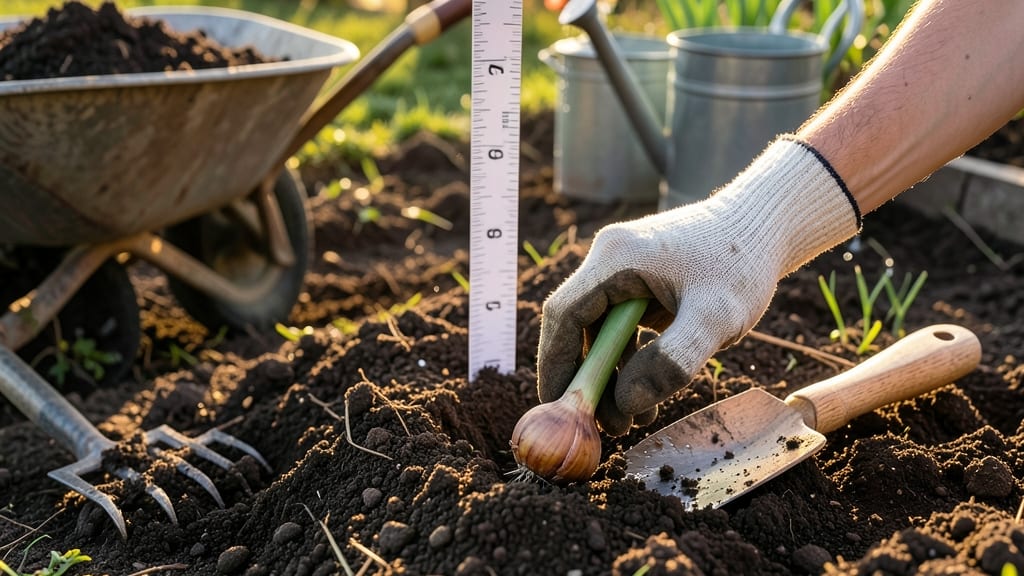
To plant flower bulbs in the fall means giving them a 6-week head start before the ground freezes — the difference between bold spring blooms and a missed chance.
Picture this: you’ve just dug a hole, tucked in your bulbs, and covered them up — only to wake up to a frost warning the very next week. That’s how you end up with weak roots and no flowers, because bulbs need time to establish themselves before winter sets in.
For most gardeners in USDA Zone 6a, that means getting your 🌷 flower bulbs in the ground between early September and mid-November. But timing isn’t one-size-fits-all — your local frost date and soil temperature play just as big a role as the calendar.
In this guide, I’ll break down the exact window for your zone, how to prep your soil for success, and which bulbs thrive when planted in fall — so you can skip the guesswork and enjoy a garden bursting with color next spring.
The ideal 6-Week pre-frost window for planting flower bulbs
Timing is everything when planting flower bulbs in the fall, and the 6-week pre-frost rule isn't just a gardening myth—it's rooted in science. Bulbs need time to establish strong root systems before winter dormancy, so planting too late can leave them vulnerable to frost damage.
The magic happens when soil temperatures drop below 60°F (15°C), signaling bulbs to start rooting while tops remain dormant.
This window ensures bulbs develop adequate roots to access moisture and nutrients next spring. In USDA zones 3-10, your planting window shifts based on your first frost date. For example, in Zone 5, where frost typically arrives in mid-October, aim for mid-September planting.
Meanwhile, Zone 8 gardeners can plant as late as early November due to milder winters.
To calculate your exact window, check your local frost dates (USDA Plant Hardiness Zone Map) and count backward 6-8 weeks. Pro tip: Use your average first frost date as your deadline—planting after this risks bulbs rotting before roots establish.
For instance, if frost hits November 15, plant between September 20 and October 15.
Here's why this timing works: Cool fall soil triggers bulbs to metabolize stored energy into roots, while warm days above ground keep tops dormant. This dual-action prepares them for winter. In Zone 3, where winters are harsh, start as early as late August to give bulbs extra time.
Conversely, Zone 10 gardeners can plant until December, as frost is rare.
Regional variations matter! Coastal areas with milder microclimates (like Zone 7b) may have 2-3 week later windows than inland zones. Always adjust for your specific location—even within the same zone, elevations and urban heat islands can shift frost dates by 1-2 weeks.
Check local weather records for the past 5 years to refine your timing.
USDA Zone
First Frost Date
Ideal Planting Window
Soil Temp Goal
Key Notes
Zone 3 (-40°F to -30°F)
Mid-September to early October
Late August to mid-September
Below 60°F (15°C)
Plant early; use mulch for insulation
Zone 4 (-30°F to -20°F)
Late September to early October
Early to mid-September
Below 60°F (15°C)
Avoid planting after October 1
Zone 5 (-20°F to -10°F)
Mid-October
Mid-September to October 1
Below 60°F (15°C)
Best window: September 20-October 15
Zone 6 (-10°F to 0°F)
Late October to early November
Late September to October 15
Below 60°F (15°C)
Can plant until ground freezes
Zone 7 (0°F to 10°F)
Mid-November
October 1 to November 1
Below 60°F (15°C)
Milder winters allow later planting
Zone 8 (10°F to 20°F)
Late November to December
October 15 to November 15
Below 60°F (15°C)
Can plant until December in mild areas
Zone 9 (20°F to 30°F)
December to January
November to December
Below 60°F (15°C)
Plant before ground freezes permanently
Zone 10 (30°F to 40°F)
Rare frost
November to January
Below
Best fall-blooming and spring-blooming bulbs and their planting timelines
Choosing the right fall-planted bulbs guarantees a dazzling spring display, but not all bulbs thrive with the same timing. Daffodils, tulips, and hyacinths all need different care—some prefer cooler soil, while others need a longer chill period.
The key is planting them 6-8 weeks before frost when soil temps drop below 60°F.
For USDA zones 3-7, aim for late September to early October. In warmer zones (8-10), extend planting into November. Soil prep matters most: loosen the ground to 12 inches deep, mix in compost, and ensure drainage to prevent rot.
Skip heavy clay or soggy spots—these bulbs hate wet feet!
Bulb Type
Planting Window
Depth
Spacing
Soil Temp
Daffodils
Late Sept–Nov (Zones 3-10)
6–8 inches
4–6 inches apart
Below 60°F
Tulips
Oct–Nov (Zones 3-8)
6–8 inches
4–6 inches apart
Below 50°F
Crocuses
Sept–Oct (Zones 3-9)
3–4 inches
3–4 inches apart
Below 65°F
Hyacinths
Oct–Nov (Zones 4-9)
6–8 inches
6 inches apart
Below 55°F
Daffodils are the most forgiving—plant them early (September) for a longer bloom time in spring. Their toxic sap deters squirrels, making them ideal for problem areas. Tulips, however, need cooler soil and may need staking in windy spots. For double blooms, choose Darwin Hybrid varieties.
Crocuses are early risers, often blooming through snow. Plant them shallowly (3–4 inches) since they’re small. Hyacinths reward patience with their intense fragrance, but they need well-drained soil to prevent bulb rot. If your soil is heavy, amend it with perlite or sand.
After planting, water deeply once and avoid disturbing the soil until spring. A 2-inch mulch layer of straw protects bulbs from freeze-thaw cycles. In warmer zones, plant late November to avoid sprouting before winter. Spring blooms depend on fall prep—don’t skip it!
Pro tip: Mark your bulb beds with stakes or flags so you don’t accidentally dig them up in spring. Patience pays off—these bulbs will reward you with years of color with minimal care. 🌷