
Flowers
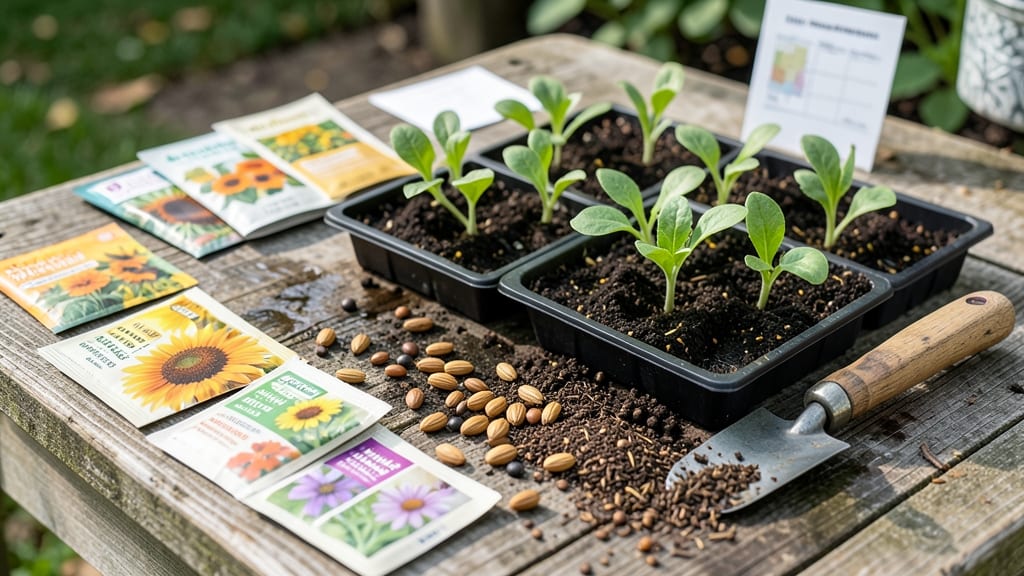
To plant flower seeds in Minnesota, time your sowing for April–May after the last frost—or July–August for fall blooms—when soil temps hit 50°F+ and days stretch past 14 hours of light.
Minnesota’s short growing season means timing is everything when planting flower seeds—get it wrong, and your blooms may never appear. But with the right frost-free window, you can transform your yard into a vibrant garden full of annuals, perennials, and hardy wildflowers.
Most 🌸 flower seeds thrive when started indoors 6–8 weeks before the last frost (around March 1–April 1 for Zones 4–5), while cold-hardy varieties like pansies and sweet peas can go straight into the ground as soon as soil is workable.
Perennials, meanwhile, benefit from an early start to establish roots before summer’s heat.
Below, I break down the exact frost dates by region, which flowers to start indoors vs. direct-sow, and 5 pro tips to stretch your blooming season—so you’re not left with empty garden beds by midsummer.
Minnesota’s frost-free dates by USDA zone 4-5: your planting timeline
Understanding Minnesota’s frost-free dates is critical for successful flower seed planting in USDA Zones 4-5. The difference between a thriving garden and a frost-killed disappointment often comes down to timing—especially when you’re working with a short growing season of just 120-150 frost-free days.
These dates vary slightly across the state, with regions like the Twin Cities (Zone 4b) enjoying slightly warmer springs than Duluth (Zone 3b/4a) or the northern border. Let’s break down what you need to know to align your planting schedule with Mother Nature’s calendar.
For most of Minnesota, the average last spring frost falls between April 25 and May 15, while the first fall frost typically arrives between September 15 and October 10.
However, these dates can shift by weeks depending on whether you’re in the southern metro area or the northern lakes region. This variability means your seed-starting and transplanting plans should account for regional differences—especially if you’re growing tender annuals like marigolds or petunias that can’t survive even light frosts.
Here’s the key: Perennials and cold-hardy annuals can often be sown directly into the garden as early as mid-April in protected microclimates, while tender annuals require indoor starts 6-8 weeks before your area’s last frost date.
For example, if your last frost is May 10, you’d start seeds indoors by early March to ensure they’re ready for transplanting. This timing ensures your flowers have enough time to establish roots and bloom before the first frost nips them in the bud.
| Region | USDA Zone | Avg. Last Spring Frost | Avg. First Fall Frost | Seed Starting Window | Direct Sowing Window |
|---|---|---|---|---|---|
| Twin Cities (Minneapolis/St. Paul) | 4b | May 5 | September 25 | March 10 - April 15 | April 20 - May 10 |
| Southern MN (Rochester, Mankato) | 4a/4b | April 25 | October 5 | February 20 - April 1 | April 10 - May 5 |
| Northern MN (Duluth, Brainerd) | 3b/4a | May 15 | September 15 | March 20 - April 20 | May 1 - May 15 |
| Western MN (Fargo area) | 4a | May 10 | September 20 | March 15 - April 10 | April 25 - May 10 |
If you’re planting perennials, like coneflowers or black-eyed Susans, you can often sow seeds directly into the garden as soon as the soil is workable—usually late April to early May—since these plants establish strong root systems early and can handle Minnesota’s unpredictable weather.
However, annuals like zinnias or cosmos need a longer growing season, so starting them indoors in late February to early March gives them the best chance to bloom before frost.
Don’t forget about fall planting for flowers like pansies or snapdragons, which can be sown directly into the garden late July to early August. These cool-season bloomers thrive in Minnesota’s autumn temperatures and often provide early spring color the following year.
Just be sure to choose varieties labeled as cold-hardy or fall-blooming to avoid disappointment.
To extend your growing season, consider using row covers or cold frames to protect tender seedlings from late spring frosts. These tools can push your planting window back by 2-3 weeks, giving you more flexibility to experiment with heat-loving flowers like geraniums or begonias.
Just remember to remove covers during the day to prevent overheating and ensure proper airflow.
For succession planting, plan to sow a second round of seeds like basil or marigolds every 2-3 weeks after your initial planting. This strategy ensures a continuous display of blooms throughout the summer and into early fall. It’s also a great way to take advantage of Minnesota’s
Best flowers to plant directly in Minnesota soil vs. starting indoors
Deciding whether to sow flower seeds directly in your Minnesota garden or start them indoors can feel overwhelming. The key lies in understanding each plant’s cold hardiness and your last frost date.
Cold-hardy annuals like pansies and sweet peas thrive when planted directly into the soil, even if a late frost hits. Meanwhile, tender varieties like impatiens or geraniums need a head start indoors to avoid frost damage.
Minnesota’s USDA Zones 4-5 mean your growing season is short, so timing is critical. For example, marigolds and zinnias can handle direct sowing after your last frost (typically mid-May), but petunias and begonias need an indoor start 6–8 weeks earlier.
Let’s break down the best options for each method to ensure your garden blooms all season long.
Direct Sowing in Minnesota Soil
- Hardier plants: Survive light frosts
- Less transplant shock: No need to acclimate
- Easier maintenance: No indoor setup required
- Limited variety: Only cold-tolerant flowers
- Slower growth: Longer time to bloom
- Frost risk: Late frosts may damage seedlings
Starting Indoors
- Early blooms: Longer growing season
- More variety: Tender flowers thrive
- Controlled conditions: Protect from pests/disease
- Transplant shock: Requires hardening off
- Space constraints: Needs indoor setup
- Higher cost: Grow lights or heat mats needed
For direct sowing, prioritize cold-hardy annuals like pansies, snapdragons, and lupines. These can handle Minnesota’s chilly springs and even light frosts. Plant them 2–4 weeks before your last frost date (around mid-April in most areas).
Sweet peas, in particular, benefit from early planting—they germinate slowly in cold soil, so don’t wait until May.
If you’re dreaming of bold, summer-long blooms like impatiens or geraniums, starting them indoors is your best bet. Begin seeds 6–8 weeks before your last frost (early March for most of Minnesota).
Use grow lights or a sunny windowsill to ensure strong, healthy seedlings. Once temperatures consistently stay above 50°F, it’s safe to transplant them outdoors.
Pro tip: Succession planting works wonders in Minnesota. Sow fast-growing annuals like bachelor’s buttons or cosmos every 2–3 weeks after your last frost to enjoy continuous color. This method extends your blooming season without overcrowding your garden.
Remember, Minnesota’s first fall frost (around mid-September) signals the end of the outdoor planting window. For late-season blooms, opt for cold-tolerant varieties like asters or mums, which can handle cooler temperatures.
With the right mix of direct sowing and indoor starts, your garden will burst with color from spring to frost!