
Flowers
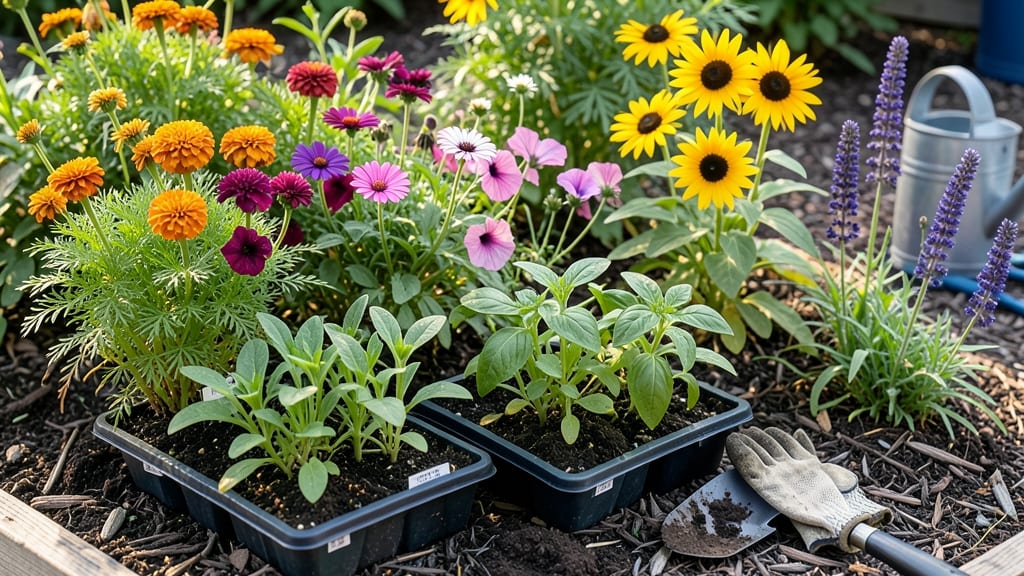
Planting flowers in North Texas at the right time means the difference between a garden that thrives in the heat and one that wilts before summer even arrives.
North Texas gardeners face a brutal growing season—scorching summers and unpredictable springs—but timing your flower planting just right can mean the difference between wilted disappointment and a vibrant, heat-resistant garden that blooms all season.
For spring blooms, wait until after the average last frost date of February 15, giving tender plants like zinnias and marigolds a fighting chance against late cold snaps. In fall, aim for September to October, so flowers like cosmos and sunflowers establish roots before winter sets in.
Below, I’ll break down the exact weeks to plant by region, the top 12 heat-tolerant flowers for your zone, and how to avoid the mistakes that kill most North Texas gardens before they even take off.
North Texas flower planting calendar: exact weeks for spring & fall success
Timing is everything in North Texas gardening, where last frost dates can shift by weeks and 100°F+ heat arrives earlier than most gardeners expect.
For Dallas-Fort Worth (Zone 8a), Waco (Zone 8b), and East Texas (Zone 7b-8a), your planting window hinges on heat tolerance thresholds and microclimates—like urban heat islands or protected garden beds.
Miss these exact weeks, and your annuals may bolt, perennials could struggle, and bulbs might fail to naturalize.
Spring planting in North Texas starts 6-8 weeks before your last frost date (typically February 15 for most regions), but heat-loving varieties like Lantana and Zinnias can wait until April 15 or later.
Fall planting, meanwhile, begins September 1 to avoid early November frosts, with cool-season annuals like Pansies thriving until December 15. Adjust for East Texas' slightly cooler microclimates by planting 2-3 weeks earlier than DFW.
Here’s your week-by-week breakdown for annuals, perennials, and bulbs, including heat-hardiness ratings (1-5 scale) to help you pick winners. Use this as your North Texas planting bible to avoid the most common mistakes—like planting tender annuals too early or drought-sensitive perennials without mulch.
For Dallas-Fort Worth, aim to plant heat-tolerant annuals by April 15 to avoid May heat waves that can scorch seedlings. In East Texas, where Zone 7b areas experience cooler microclimates, you
Top 12 heat-tolerant flowers for North Texas gardens (ranked by blooming season)
When North Texas summers hit 100°F+, most flowers wilt faster than a soggy newspaper—but these 12 heat-tolerant varieties thrive like they're on vacation.
I’ve ranked them by bloom season so you can plan a garden that looks stunning from spring through fall, even when the heat index feels like a sauna.
These flowers aren’t just survivors; they’re showstoppers that attract pollinators while demanding minimal water once established. For example, Lantana and Mexican Sunflower (Tithonia) laugh at triple-digit temps, while Blackfoot Daisy (Melampodium) blooms nonstop with almost no care.
Below, I’ll share their survival scores, care secrets, and exact planting windows to beat the heat.
Spring bloomers (March-May) like Sweet Alyssum and Snapdragons handle early-season heat better than most, but they’ll need afternoon shade once temps hit 90°F. I recommend planting these in late February to early March, after the average February 15 frost date, but before the soil bakes by April.
For summer-long color (June-August), Lantana and Zinnias are my top picks—they’re drought-proof once established and bloom until frost. Lantana even gets prettier in heat, with flowers that shift from yellow to fiery orange. Plant these after May 15 to avoid transplant shock when temps soar.
Fall favorites like Blackfoot Daisy and Mexican Sunflower thrive in September-October plantings, giving them time to root before winter.
These native-friendly flowers support local pollinators and handle light frosts better than imported varieties. Deadhead spent blooms to encourage a second flush before the first frost (November 15 in most of North Texas).
My #1 heat-proof tip: Group plants by water needs. Cluster Lantana and Zinnias together for deep but infrequent watering (every 5-7 days once established), while Sweet Alyssum and Cosmos can share a spot with shallow-rooted herbs that need more frequent sips.
For a no-fail North Texas garden, combine 3-4 of these heat-tolerant stars in a raised bed with amended soil. Add a drip irrigation system on a timer, and you’ll have a garden that outperforms even the toughest Texas summers. 🌵