
Plants
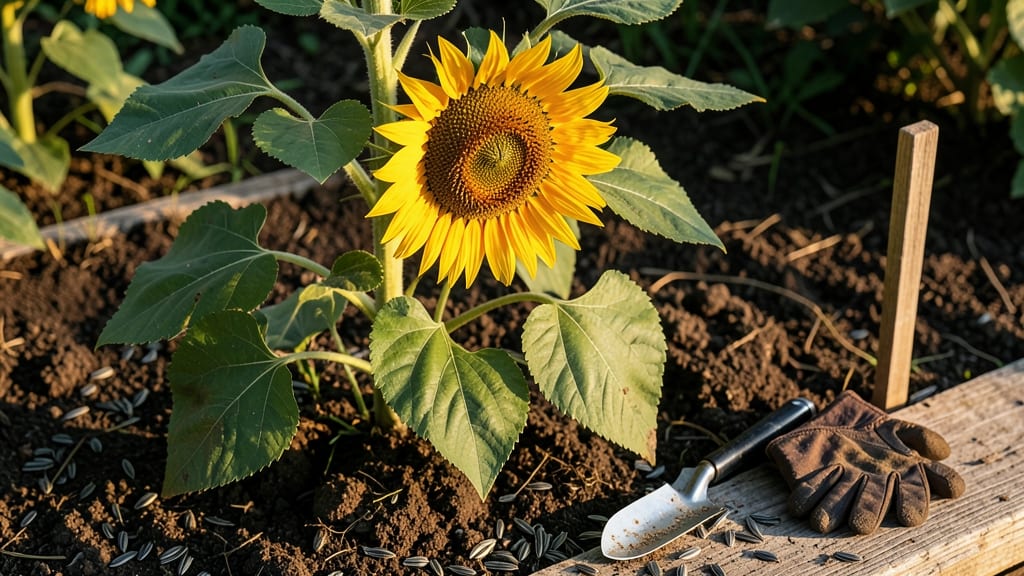
Planting sunflower seeds in North Carolina after the last frost — typically mid-April to mid-July — ensures strong, vibrant blooms that will brighten your garden all summer long.
But here’s the catch: rush it too early, and a late frost will turn your 🌻 seedlings into crispy snacks. Wait too long, and you’ll miss the perfect window for those towering varieties to mature before fall’s chill sets in.
North Carolina’s diverse climate zones — from the cooler mountains to the warmer coastal plains — mean your exact planting date depends on where you live. In USDA Zone 7b, for example, you’ve got a narrower window than in Zone 8a, where summer heat arrives earlier.
Below, I’ll break down the best times to plant by region, how to spot the ideal soil temperature, and whether you can squeeze in a second planting for a fall harvest. Let’s get those seeds in the ground at the perfect moment!
North Carolina sunflower planting calendar: exact dates by USDA Zone 7b and 8a
North Carolina’s USDA Zones 7b and 8a offer perfect conditions for sunflowers—if you plant at the right time. In Zone 7b (e.g., Raleigh, Greensboro), the last frost typically arrives between March 15-25, while Zone 8a (e.g., Charlotte, Wilmington) sees frost-free conditions by March 1-15.
But don’t rush! Sunflower seeds need soil temperatures of at least 50°F (10°C) to germinate properly, which usually aligns with late April in most of NC.
For early varieties (like 'Teddy Bear' or 'Moulin Rouge'), you can start seeds indoors 4-6 weeks before your last frost date or sow directly outdoors after soil warms. Tall varieties (e.g., 'Mammoth Russian') thrive with a longer growing season, so aim for late April to early May in Zone 7b and mid-March to mid-April in Zone 8a. Late plantings (June-July) work for short-season dwarf varieties like 'Sunspot' or 'Autumn Beauty'.
| Zone & Location | Last Frost Date | Ideal Planting Window | Soil Temp Threshold | Germination Time | Notes |
|---|---|---|---|---|---|
| Zone 7b (Raleigh, Greensboro) | March 15-25 | Late April - Early June | ≥50°F (10°C) | 7-14 days | Early varieties: April; Tall varieties: May |
| Zone 8a (Charlotte, Wilmington) | March 1-15 | Mid-March - Mid-July | ≥50°F (10°C) | 7-10 days | Coastal areas: Earlier plantings; Inland: May-June for tall types |
| Both Zones (Succession Planting) | N/A | June-July (Dwarf Varieties) | ≥60°F (15°C) | 5-10 days | Extend harvest with late plantings (e.g., 'Autumn Beauty') |
In Zone 7b, I always plant my 'Mammoth Russian' sunflowers in early May to ensure they mature before the first frost in November. The key is monitoring soil temperatures—use a soil thermometer to confirm it’s above 50°F (10°C) before sowing.
In Zone 8a, I start dwarf varieties like 'Sunspot' as early as mid-March for a spring bloom, while saving tall varieties for May.
For direct sowing, plant seeds 1/2 inch deep and 6-12 inches apart, depending on the variety. Thin seedlings to 12-24 inches apart once they’re 4-6 inches tall. In NC’s humid summers, I always add a mulch layer to retain moisture and prevent fungal issues.
This is especially critical in Zone 8a’s coastal regions, where higher humidity can stress young plants.
If you’re growing sunflowers for seeds, aim for a late July planting in Zone 7b or early July in Zone 8a. This gives the seed heads time to mature fully before frost.
Look for brown, papery petals and a heavy, firm seed head—these are your cues that it’s harvest time. I’ve found that 'Russian Giant' varieties need the longest season, so I prioritize them in Zone 8a where the growing season stretches longer.
Don’t forget about succession planting! By sowing new seeds every 2-3 weeks from April through July, you can enjoy continuous blooms all summer long. This works especially well for dwarf varieties, which mature faster.
In my Zone 7b garden, I’ve had success with 'Teddy Bear' sunflowers planted in late May and early June, giving me cheerful blooms well into September.
One critical mistake I’ve seen gardeners make is planting sunflowers too early in Zone 7b, only to have frost nip the young seedlings. Always wait until after your average last frost date—and double-check with your local Cooperative Extension Service for precise dates.
In Zone 8a’s coastal areas, like Wilmington, you can push plantings even earlier, but inland areas
How to adjust sunflower planting for North Carolina’s microclimates and variety types
North Carolina’s diverse landscapes—from the humid coastal plains to the cooler mountain regions—create unique challenges for sunflower growers. The same variety planted in Zone 7b (Piedmont) may struggle in Zone 8a (Coastal Plain) if timing isn’t adjusted.
Understanding these microclimates lets you choose the right sunflower varieties and planting strategies for success.
For example, dwarf varieties like 'Teddy Bear' (1-3 feet) thrive in mountain gardens where shorter seasons demand quick maturity. Meanwhile, giant varieties such as 'Russian Giant' (10-14 feet) need the longer growing season of the Piedmont or Coastal Plain to reach their full height.
Your location dictates not just when to plant, but which sunflower types will flourish.
North Carolina Sunflower Planting Adjustments
Pros:
- Longer growing season (plant March-April)
- Warmer soils speed germination
- Giant varieties thrive
Cons:
- Higher humidity risks powdery mildew
- Salty soils near coast may stunt growth
Pros:
- Ideal for all varieties
- Moderate humidity balances growth
- May-June planting extends bloom time
Cons:
- Late frosts possible in April
- Drought stress in summer
Pros:
- Dwarf varieties perfect for containers
- Cooler temps reduce pest pressure
- June-July planting avoids early frosts
Cons:
- Shorter season limits tall varieties
- Soil stays cool longer
To extend your sunflower season in cooler regions, try succession planting. Sow a second batch of dwarf varieties in early July—just 60 days before your first frost—to enjoy late-summer blooms. This works especially well in the mountains, where the growing season is shorter.
For the Coastal Plain, you can even plant a third batch in early August for fall harvests before frost arrives.
Another trick is to pre-sprout seeds indoors 5-7 days before transplanting into cooler mountain soils. This gives your sunflowers a head start in Zone 6b, where slow soil warming can delay germination by 1-2 weeks.
Just be sure to harden off seedlings for 3-5 days before moving them outside to avoid transplant shock.
For humid coastal areas, focus on airflow to prevent diseases. Space giant varieties at least 2 feet apart and avoid overcrowding. If you notice powdery mildew (white fungal growth), treat with a neem oil spray and remove affected leaves immediately.
In drier Piedmont regions, mulch around plants to retain moisture, especially during summer droughts.
Remember, sunflowers are phototropic, meaning they follow the sun. In shadier mountain gardens, choose dwarf varieties that tolerate partial shade better than tall types.
And no matter where you garden in NC, always plant seeds 1 inch deep and 12-24 inches apart (closer for dwarfs, farther for giants) for the best results.