
Plants
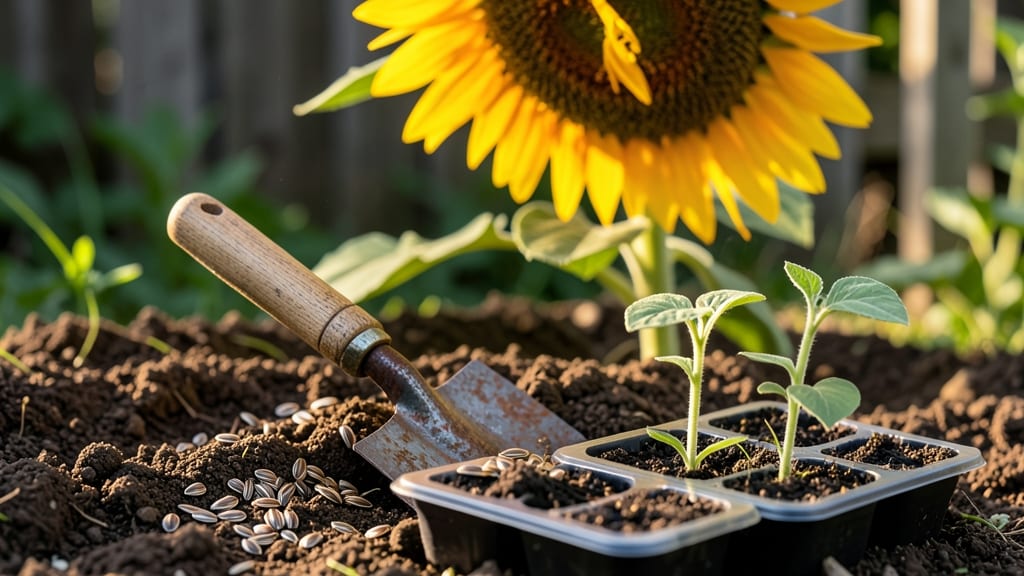
Planting sunflower seeds in Wisconsin means timing them perfectly between mid-April and early June, after the last frost—because one wrong move can mean no blooms by summer.
Wisconsin’s short growing season demands precision—plant sunflower seeds too early, and frost will kill them; too late, and you’ll miss the summer bloom. Timing is everything for sunflowers in USDA Zones 3-5, where the average last frost date shifts dramatically between northern and southern regions.
Whether you’re sowing directly into the garden or starting indoors, knowing your zone’s frost-free window is the key to healthy, towering 🌻 plants by August. Below, we’ll break down the exact dates for Zones 3-5, plus tips to adjust for Wisconsin’s unpredictable weather.
You’ll also discover the best sunflower varieties for your area, soil prep tricks to speed up germination, and how to handle late frosts without losing your plants. Let’s get those seeds in the ground at the right time!
Wisconsin sunflower planting deadlines by USDA Zone (3-5) and last frost dates
Wisconsin’s USDA Zones 3-5 create distinct planting windows for sunflowers, where a 2-3 week difference between northern and southern regions can mean the difference between thriving blooms and frost-killed seedlings. The key? Understanding your average last frost date and soil temperature thresholds of 50°F+ for germination.
Sunflowers are fast growers (60-120 days to maturity), but Wisconsin’s short growing season (150 frost-free days) demands precision. In Zone 3 (northern WI), you have just 120 days to grow a full-season variety, while Zone 5 (southern WI) enjoys an extra 30 days of warmth.
Let’s break down the exact windows for your region.
Pro Tip: Always verify frost dates using the Wisconsin State Climatology Office or local Cooperative Extension Service, as microclimates can shift planting deadlines by 1-2 weeks.
For direct sowing outdoors, wait until soil temperatures consistently reach 50°F+—sunflower seeds won’t germinate below this threshold. Use a soil thermometer to confirm, as surface temps can be misleading.
In Zone 3, this often means waiting until late May, while Zone 5 gardeners can start as early as mid-April.
If you’re starting seeds indoors, begin 4-6 weeks before your last frost date using grow lights or a sunny windowsill. Seedlings need 12-16 hours of light daily to prevent legginess. Harden off seedlings for 7-10 days before transplanting after the last frost.
Northern Wisconsin’s shorter season favors early-maturing varieties (60-70 days), while southern regions can handle mid-season types (90-100 days). Varieties like ‘Autumn Beauty’ (85 days) work in Zone 4, but ‘Teddy Bear’ (60 days) is safer for Zone 3.
Remember: Late frosts are common in Wisconsin—always have row covers ready to protect young seedlings. Monitor your garden with a frost calendar from your local Cooperative Extension for real-time updates.
For backup planting, consider a second sowing in early June if your first attempt fails. Dwarf varieties like ‘Moulin Rouge’ (65 days) can even bloom in time for late-summer color in northern zones.
🌻
How to adjust sunflower planting for Wisconsin’s unpredictable weather patterns
Wisconsin’s cool springs and late frosts can throw off even the most careful gardener’s timing. Sunflowers thrive in warmth, but unpredictable weather means you’ll need backup plans. The key is flexibility—adjusting your planting strategy to match your local frost dates and soil conditions.
Start by checking the Wisconsin State Climatology Office for your area’s average last frost date. In Zone 3, this can be as late as mid-May, while Zone 5 may see frost-free soil by early May.
If your spring stays cool, don’t panic—sunflowers can handle light frosts once they’ve sprouted, but seeds need soil temps above 50°F to germinate.
If your spring stays cold, consider starting seeds indoors under grow lights 4-6 weeks before your last frost date. Transplant seedlings outdoors only after hardening them off (acclimating to outdoor conditions for 7-10 days). For direct sowing, wait until soil temps hit 55°F—use a soil thermometer to check.
For early autumns, focus on late-blooming varieties like 'Russian Giant', which can handle cooler temps. If frost threatens in September, harvest seed heads before they fully mature—they’ll still dry indoors. Mulch around the base to insulate roots and extend the season by 2-3 weeks.
Pro tip: Group sunflowers with warm-season companions like basil or marigolds. Their shared heat needs create a microclimate that speeds up growth. And always water deeply in the morning to prevent fungal issues from evening moisture.