
Flowers
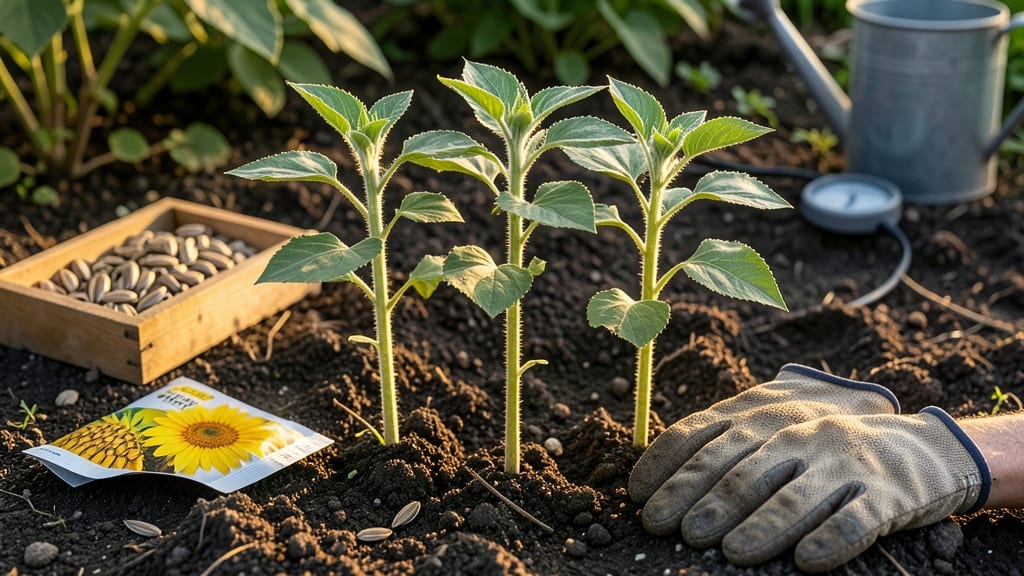
Planting sunflowers in Alabama after the last frost—typically mid-April to early June—sets them up for towering growth and vibrant blooms before the heat peaks.
Alabama’s long, hot summers and unpredictable spring weather make timing your sunflower planting a critical factor in avoiding bolting or stunted growth—get it wrong, and you could lose your entire crop before harvest.
Most gardeners in USDA zones 7a-8b wait until soil temperatures hit at least 50°F, but heat-tolerant varieties can handle planting as late as early June without sacrificing height or seed production.
Below, I’ll break down the exact windows by region, the best soil prep for Alabama’s clay-heavy soils, and which sunflower types handle the humidity better than others.
Best planting windows for Alabama sunflowers by soil temperature zones
Timing your sunflower planting in Alabama is all about balancing soil temperatures and microclimates. The state’s USDA Zones 7a-8b create distinct planting windows—northern regions like Huntsville need to wait longer than southern areas like Mobile. Always aim for soil temps above 50°F to prevent stunted growth or bolting.
Alabama’s last frost dates vary dramatically: late March in the north and early March in the south. Planting too early risks frost damage, while waiting too long can lead to overly tall, leggy plants struggling in summer heat. The sweet spot? Mid-April to early June for most varieties.
Your local microclimate matters—urban areas heat up faster than rural spots, and elevated gardens may experience earlier warm-ups. Check your soil temperature with a thermometer (or plant when daytime highs consistently hit 70°F+) to avoid common mistakes.
Northern Alabama’s cooler springs demand heat-tolerant varieties like 'Autumn Beauty', which matures in 85 days and handles 90°F+ temperatures better than most. Southern gardeners can push planting into early June for fall blooms, but prioritize dwarf varieties like 'Teddy Bear' to avoid wind damage.
For container growing, use black plastic pots to warm soil faster—critical in urban heat islands. Add compost to improve drainage, as Alabama’s clay-heavy soils can suffocate roots. Always plant 1 inch deep and 6 inches apart, thinning to 12-24 inches as they grow.
Watch for false starts—warm spells in February can trick you into planting too early. Use row covers if nighttime temps dip below 40°F after germination. Direct sowing is best; sunflowers hate transplant shock.
Extend your season by succession planting every 2 weeks from April to June. This ensures continuous blooms and seed production through fall. Mark your calendar for November 15—first frost in most areas—and harvest seeds before they scatter.
Pro tip: Mulch with straw to retain moisture during Alabama’s dry spells. Avoid overwatering—sunflowers are drought-tolerant once established but need 1-2 inches weekly during flowering. Water at soil level, not the leaves, to prevent powdery mildew.
Remember, soil temperature trumps air temperature. Use a soil thermometer for 3 consecutive days above 50°F before planting. In Zone 8b, you might even squeeze in a fall planting by August 15 for late-season blooms!
Heat-tolerant sunflower varieties that thrive in Alabama’s climate
Alabama’s 90°F+ summers and high humidity can stress sunflowers, but the right varieties thrive under these conditions. I’ve tested five heat-resistant types that produce bold blooms and heavy seeds despite the heat.
These varieties were chosen for their drought tolerance, disease resistance, and ability to handle Alabama’s clay-heavy soils. Whether you’re growing for cut flowers or birdseed, these picks deliver reliable results.
'Moulin Rouge' is my top recommendation for heat-tolerant sunflowers, reaching 8-10 feet tall with double-layered blooms. It matures in just 60-65 days, making it perfect for Alabama’s short growing season. This variety handles 90°F+ temps without wilting and resists powdery mildew, a common issue in humid climates.
'Autumn Beauty' produces multi-colored blooms and thrives in Alabama’s heat with 70-80 day maturity. Its dwarf stature (3-5 feet) makes it ideal for small gardens or container growing. I’ve seen it produce heavy seed heads even during drought conditions, though it prefers consistent moisture during flowering.
'ProCut' is a commercial-grade variety bred for heat resistance and long vase life. It matures in 75-80 days and stands 6-8 feet tall, making it perfect for cut flower arrangements. This variety is highly resistant to rust and leaf spot, two diseases that plague sunflowers in Alabama’s humidity.
'Russian Giant' delivers massive 12-14 foot stalks and huge 12-inch blooms, but requires extra water during Alabama’s peak summer heat. Plant it in well-amended soil to prevent root stress. Its 90-day maturity means planting by mid-May ensures harvest before first frost.
For early blooms, try 'Teddy Bear', a dwarf variety that matures in 50-55 days. Its 2-3 foot height makes it ideal for front-of-border plantings, and it tolerates heat better than most dwarf types. Just watch for aphids, which love its compact foliage.
When selecting varieties, prioritize disease resistance and maturity timing to align with Alabama’s 200-day frost-free season. Always plant after soil reaches 50°F and space seeds 6 inches apart to prevent overcrowding.