
Flowers
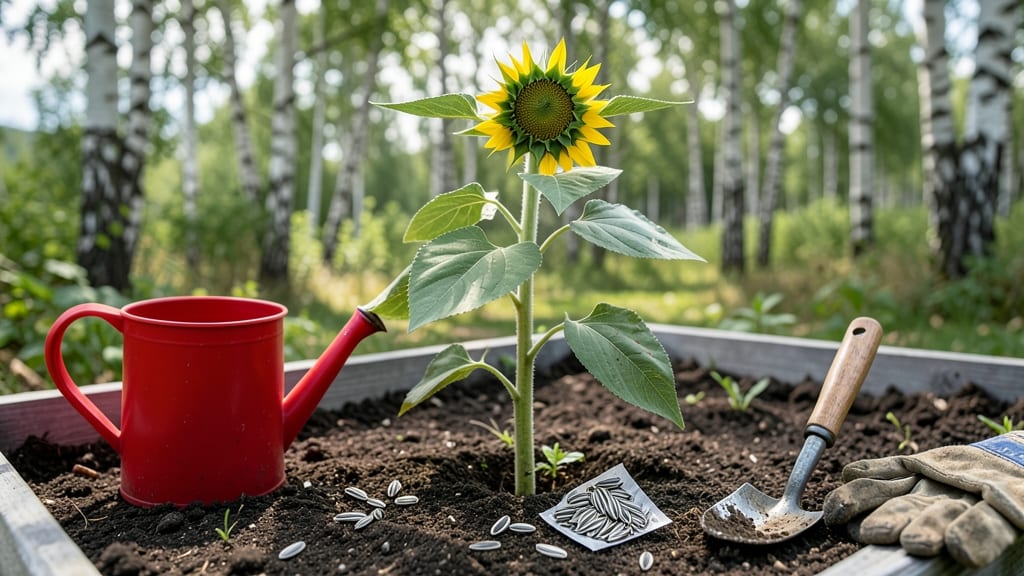
To plant sunflowers in San Diego, aim for late winter through early spring — between February and April — when soil temperatures warm up just enough for fast germination without scorching young sprouts.
Sunflowers thrive in San Diego’s warm climate—but planting them at the wrong time can mean slow growth, weak stems, or even failure. Whether you’re a coastal gardener in La Jolla or an inland grower near Temecula, timing matters more than you might think.
San Diego’s frost-free year-round climate gives you flexibility, but heat spikes in summer can stress sunflowers if planted too early. The best window balances soil warmth, rainfall, and humidity to ensure strong, heat-resistant plants that bloom quickly.
Below, I’ll break down the exact months for direct sowing vs. transplanting, how to adjust for your microclimate, and the fastest-growing varieties that perform best in Southern California’s heat.
Best months to plant sunflowers in San Diego for fast germination
San Diego’s mild winters and warm summers create a near-perfect climate for sunflowers, but timing matters. Unlike colder regions, we don’t have to worry about frost, but heat spikes and soil moisture still impact germination speed.
Planting in the right window ensures your sunflowers grow tall, strong, and heat-resistant—ready to bloom in as little as 60 days.
Most gardeners in USDA Zone 10a swear by early spring (February-March) as the golden window. This gives seedlings time to establish roots before summer’s peak heat. However, late winter (January) can also work if you provide extra shade and consistent watering.
The key is avoiding extreme heat during germination, which can cause seeds to dry out before sprouting.
🌱 Did You Know? Sunflower seeds germinate best when soil temperatures stay between 70°F and 95°F. In San Diego, this means waiting until late February for inland areas or March for coastal zones where mornings can still be chilly. Use a soil thermometer to check—it’s a game-changer for fast germination!
| Planting Window | Soil Temp | Germination Time | Best For |
|---|---|---|---|
| January | 60°F–70°F | 14–21 days | Coastal areas, shade-cloth protection |
| February–March | 70°F–85°F | 7–10 days | Inland areas, fastest growth |
| April–May | 85°F–95°F | 5–7 days | Heat-tolerant varieties, late blooms |
| September–October | 70°F–80°F | 10–14 days | Fall blooms, cooler evenings |
If you’re debating between direct sowing and transplanting, I recommend direct sowing for sunflowers in San Diego. Transplants can struggle with root shock in our dry climate, and sunflower roots are surprisingly delicate.
For fastest germination, sow seeds ½ inch deep and keep the soil consistently moist until sprouts appear. A light mulch (like straw) helps retain moisture without smothering seedlings.
For coastal San Diego (e.g., La Jolla, Del Mar), aim for March planting to avoid morning fog delays. Inland areas (e.g., Escondido, Temecula) can plant as early as February, but monitor soil moisture closely—dry spells can stall germination.
Pro tip: Water deeply every other day until seedlings are 2 inches tall, then taper to weekly deep waterings.
Ever wondered why some sunflowers bolt to flower too quickly? It’s often because they were planted in hot soil too early. To prevent this, use shade cloth (30–50%) over seedlings until they’re 4 inches tall.
This trick works wonders for late spring plantings (April–May), letting you enjoy summer blooms without sacrificing stem strength.
Don’t overlook fall planting (September–October) for a second flush of blooms. Cooler evenings and lower humidity reduce pest pressure, and sunflowers planted now often outperform spring varieties in height and vibrancy. Just avoid planting after mid-October, as day lengths shorten and growth slows.
For container gardening, stick to dwarf varieties like ‘Teddy Bear’ and plant in 5-gallon pots with well-draining mix. These can go in March or September and thrive on balconies or patios. Just remember: containers dry out faster, so check moisture daily during heatwaves.
🌻 Key Takeaway: The sweet spot for San Diego sunflowers is February–March for inland areas and March–April for coastal zones. With the right timing, you’ll see bold blooms in just 60 days—perfect for cutting gardens or attracting pollinators. Happy planting!
How San Diego’s microclimates affect sunflower planting success
San Diego’s diverse microclimates create unique challenges—and opportunities—for growing sunflowers. While coastal areas like La Jolla enjoy mild temperatures year-round, inland zones such as Temecula experience hotter summers, and desert-adjacent regions like Palm Springs face extreme heat.
These differences directly impact planting timing, watering needs, and even sunflower variety selection. Understanding your specific zone will help you avoid common pitfalls like heat stress or poor germination.
Coastal areas benefit from cooler, foggy mornings, which slow evaporation and reduce watering frequency. Meanwhile, inland and desert regions require deep watering and shade protection during peak afternoon sun. Even soil temperature varies—coastal soil stays cooler longer, while inland soil heats up quickly, affecting seed germination.
By tailoring your approach to your microclimate, you can ensure your sunflowers grow taller, healthier, and more resilient to local conditions.
- 1 Coastal (La Jolla, Del Mar): Plant year-round but aim for fall (Sept-Nov) to avoid summer heat. Fog protection helps prevent fungal issues.
- 2 Inland (Temecula, Escondido): Best spring (Feb-Apr) planting to escape summer’s 100°F+ heat. Use mulch to retain moisture.
- 3 Desert-Adjacent (Palm Springs, Borrego Springs): Plant late summer (Aug-Sept) for fall blooms. Drip irrigation is a must to prevent root burn.
- 4 Watering Adjustments: Coastal: Every 5-7 days; Inland: Deep water 2x/week; Desert: 3x/week with evening watering to reduce evaporation.
- 5 Heat Tolerance Tip: Choose dwarf varieties (e.g., ‘Teddy Bear’) for inland zones. Tall varieties (e.g., ‘Russian Giant’) need staking in coastal wind.
Another critical factor is soil preparation. Coastal soils often retain moisture longer, so amending with sand improves drainage. Inland soils, however, may compact under summer heat, requiring compost enrichment to boost organic matter.
For desert-adjacent areas, container gardening with cactus soil mixes can prevent heat stress. Always test your soil’s pH level—sunflowers prefer 6.0 to 7.5, and adjustments may be needed based on your microclimate.
If you’re growing sunflowers in coastal San Diego, focus on early fall planting to take advantage of cooler temperatures and longer daylight hours. This timing helps sunflowers establish strong roots before winter rains arrive.
In contrast, inland gardeners should prioritize spring planting to avoid the brutal summer heat, which can cause bolting (premature flowering) or leaf scorch. For desert-adjacent zones, late summer planting ensures blooms appear in fall when temperatures drop slightly.
Protecting your sunflowers from pests and diseases also varies by microclimate. Coastal areas may see more slugs and snails due to higher humidity, while inland regions face aphids and spider mites during heatwaves. Desert zones often battle root-knot nematodes in sandy soils.
Regularly inspect your plants and use neem oil or insecticidal soap as needed. Row covers can also shield young seedlings from windburn in coastal areas or intense sun inland.
For a foolproof approach, create a microclimate-specific care checklist. Note your local frost dates (though San Diego rarely sees frost), track soil temperature with a thermometer, and adjust watering based on rainfall patterns.
By aligning your sunflower care with your region’s unique conditions, you’ll enjoy vibrant blooms and strong stems—no matter where you garden in San Diego County.