
Flowers
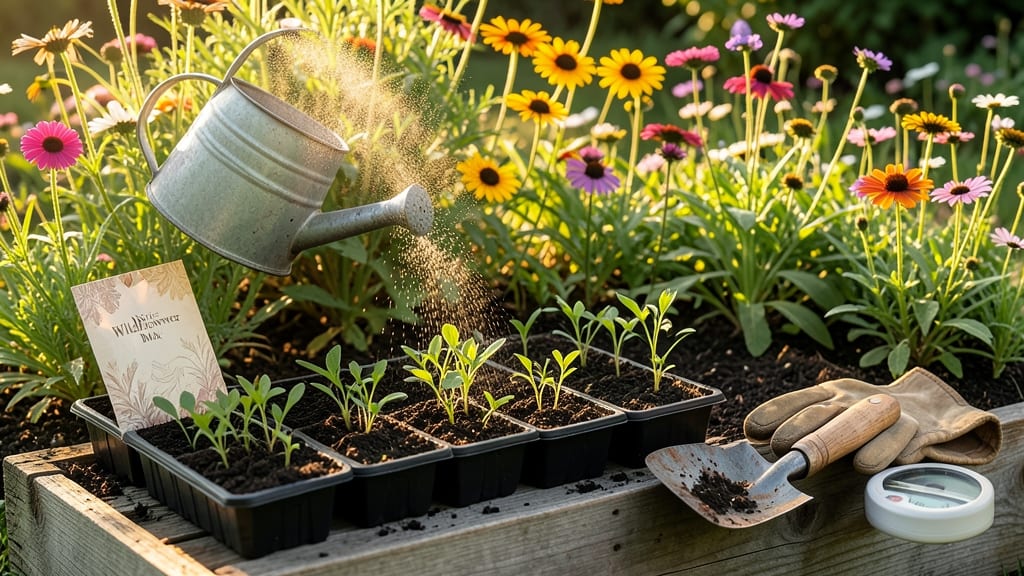
Plant wildflowers in Zone 6 during early spring or fall for the best blooms 🌼 — timing makes all the difference between a thriving meadow and a missed opportunity.
Zone 6 gardeners know timing is everything—plant wildflowers too early, and frost will wipe them out; too late, and they’ll struggle to establish before winter. But mastering the perfect window can transform your landscape into a vibrant, low-maintenance pollinator paradise.
Spring planting in March or April gives seeds a head start before summer heat, while fall planting in September or October lets them root before winter dormancy. Both strategies work, but each requires different prep and care.
Below, I’ll break down the exact months to plant, how to prep your soil, and what to watch for to ensure your wildflowers take hold and bloom beautifully next season.

Ideal wildflower planting windows in Zone 6: spring vs. fall breakdown
Timing your wildflower planting in Zone 6 can make the difference between a thriving meadow and a failed experiment. The USDA Zone 6 (average last frost: April 15, first frost: October 15) offers two prime windows: early spring and early fall.
Each season brings unique advantages—spring gives warm soil for quick germination, while fall seeds establish roots before winter dormancy. Let’s break down the best months, soil conditions, and microclimate factors to help you choose.
For spring planting, aim for March through April when soil temperatures reach 50°F (10°C) at 2 inches deep. This timing ensures seeds germinate before summer heat arrives.
In contrast, fall planting (late September to October) lets seeds settle into the soil while temperatures cool, reducing weed competition and preventing summer drought stress. Both approaches work, but your choice depends on your wildflower mix—annuals thrive in spring, while perennials often prefer fall.
| Planting Window | Best Months | Soil Temp Threshold | Frost Risk | Ideal For |
|---|---|---|---|---|
| Spring Planting | March–April | 50°F (10°C) | Low (after last frost) | Annuals, fast bloomers |
| Fall Planting | September–October | 60°F (15°C) | Moderate (before first frost) | Perennials, deep roots |
*Adjust for microclimates: valleys stay cooler; slopes warm faster.
Your local microclimate plays a huge role in Zone 6. For example, valleys and low-lying areas often experience later last frosts (sometimes May 1), while south-facing slopes can warm up 2–3 weeks earlier than flat ground.
Use a soil thermometer to confirm readiness—spring seeds need 50°F (10°C), while fall seeds prefer 60°F (15°C) to avoid rot. If you’re unsure, err on the side of late spring (early May) for annuals or early fall (late August) for perennials to minimize frost risk.
Perennials like black-eyed Susan (Rudbeckia hirta) and coneflower (Echinacea) benefit most from fall planting. Their seeds germinate slowly but develop deep taproots over winter, giving them a head start in spring.
In contrast, annual wildflowers such as cosmos and zinnia should go in late spring (after frost) for immediate summer color. Pro tip: Mix both strategies—plant perennials in fall and annuals in spring for year-round blooms.
Watering is critical in the first 4–6 weeks after planting, regardless of season. Spring-planted seeds need consistent moisture to break dormancy, while fall seeds rely on even watering to prevent desiccation before winter. Use a drip irrigation system or soaker hose to keep soil evenly moist without disturbing seeds.
Avoid overhead watering, which can dislodge seeds or cause fungal issues. Mulch lightly with straw or leaf litter to retain moisture and suppress weeds—just don’t smother the seeds.
If you’re planting in drought-prone areas of Zone 6 (like parts of Colorado or Nebraska), prioritize native wildflowers such as purple coneflower or butterfly weed, which tolerate dry spells once established. These species also pair well with fall planting, as their roots establish before summer heat arrives.
For humid regions (e.g., Pennsylvania or Missouri), focus on spring planting to avoid fungal diseases that thrive in wet fall soils.
Don’t overlook seed depth—most wildflower seeds need only a ¼-inch coverage (or none at all for tiny seeds like lupine). Press seeds gently into the soil and label your plots to track germination.
In Zone 6’s variable climate, some years may favor spring planting, while others suit fall better. Pay attention to local weather patterns—if your area had an early frost in October, delay fall planting until late September.
Conversely, if springs are unusually cold, wait until mid-April for spring sowing.
Finally, test your soil before planting. Wildflowers thrive in well-draining soil with a pH between 6.0–7.0. Amend heavy clay with compost or sand, and avoid over-fertilizing—wildflowers prefer low-nutrient conditions that mimic natural habitats. Once established, they’ll reward you with low-maintenance beauty and a buzzing pollinator haven. 🌼
For maximum impact, combine spring and fall plantings in different sections of your garden. Use spring for bold annuals like sunflowers and fall
5 Key factors that determine your Zone 6 wildflower success
Beyond just picking the right month, five critical factors will make or break your wildflower meadow. I’ve seen native species thrive where commercial mixes fail—it all comes down to these details. Let’s dive into what truly matters for Zone 6 success.
First, the type of seeds you choose can mean the difference between a five-year meadow and a one-year flash in the pan. Native wildflowers adapt better to local conditions, while commercial mixes might include species that struggle with Zone 6’s early frosts or droughts.
Always check the label for perennial vs. annual ratios—perennials return year after year, while annuals need replanting.
- 1 Seed Type: Choose native perennials for long-term success over commercial annual mixes. Look for Zone 6-hardy species like black-eyed Susan or coneflower.
- 2 Soil Prep: Test your soil’s pH (6.0-7.0 ideal) and loosen the top 4-6 inches. Remove weeds and till in compost for better moisture retention.
- 3 Moisture Needs: Keep soil consistently moist (not soggy) for the first 4-6 weeks. Use mulch to retain moisture, especially in drought-prone areas.
- 4 Frost Adjustments: For early frosts, plant fall wildflowers by September 15. For late frosts, use row covers or choose cold-hardy species like goldenrod.
- 5 Sunlight Exposure: Ensure 6+ hours of sun daily. Partial shade can stunt growth, while full sun maximizes blooms. Avoid planting under dense tree canopies.
Next, soil preparation sets the stage for germination. I’ve learned the hard way that skipping soil prep leads to poor seed-to-soil contact and uneven sprouting. Start by testing your soil’s pH level—most wildflowers prefer a slightly acidic to neutral range (6.0-7.0).
If your soil is compacted, use a broadfork to loosen it without disturbing seeds too deeply.
Don’t underestimate the power of moisture management. Wildflowers are drought-tolerant once established, but young seedlings need consistent moisture to break through the soil. I recommend drip irrigation or soaker hoses for even watering, especially in hot, dry Zone 6 summers.
A 2-inch layer of mulch will help retain moisture and suppress weeds.
Zone 6’s unpredictable frost dates can throw off even the best-laid plans. If you’re planting in fall (September-October), aim to finish 4-6 weeks before your first frost date—typically around October 15.
For spring planting (March-April), wait until the soil warms to at least 50°F to avoid seed rot from lingering cold.
Finally, sunlight exposure is non-negotiable. Wildflowers crave full sun (6+ hours daily), but some species like blue-eyed grass tolerate partial shade. Before planting, map your yard’s sunlight patterns—what seems sunny in summer might be shady in winter.
If your site has limited sun, opt for shade-tolerant varieties like wild bergamot.
Master these five factors, and your Zone 6 wildflowers will reward you with years of color and pollinator activity. Start with native seeds, prep your soil right, and watch your meadow flourish—no guesswork needed! 🌼🌿