
Flowers
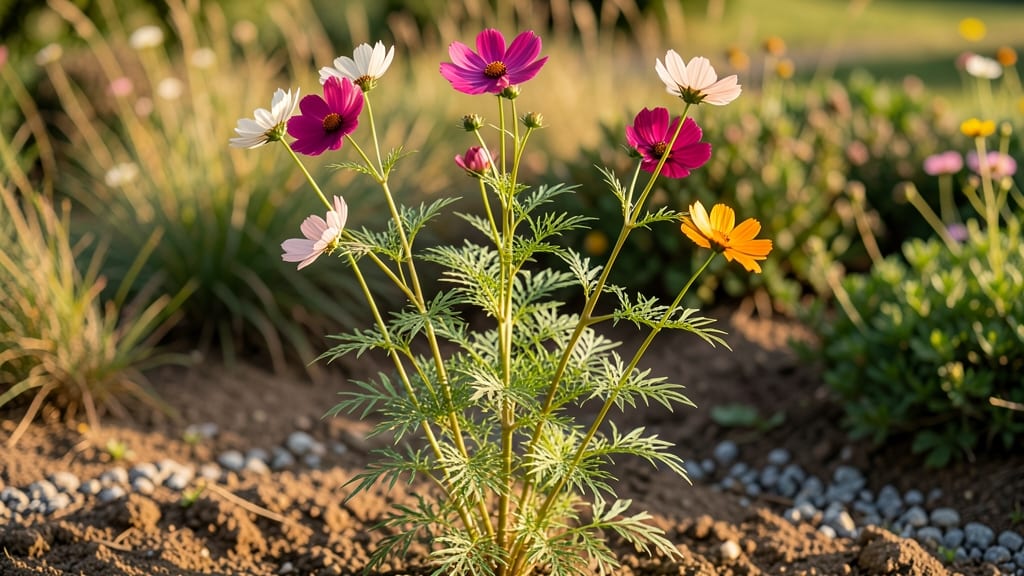
Cosmos flowers grow anywhere from 1 to 6 feet tall, depending on the variety and growing conditions—making them a versatile choice for borders, cut flowers, or wildflower meadows.
If you’re dreaming of vibrant, low-maintenance blooms that thrive in full sun, cosmos flowers might be your perfect garden match—but first, you’ll want to know exactly how tall they can grow.
Some varieties, like the dwarf cosmos, stay compact at just 1 to 3 feet, while others, such as the classic Cosmos bipinnatus, can tower up to 6 feet with proper care.
In this guide, I’ll break down the height ranges by variety, share tips for controlling their growth, and help you maximize their stunning blooms—no matter your garden size.


Cosmos flower height by variety: dwarf to giant growth ranges
If you’ve fallen in love with cosmos flowers for their effortless beauty and sun-loving nature, you’re probably wondering how tall they’ll grow in your garden. The answer depends entirely on the variety you choose, with heights ranging from compact dwarf types to towering giants.
Understanding these differences helps you plan spacing, support structures, and even floral arrangements with confidence.
Cosmos flowers generally fall into three height categories: dwarf (1-3 ft), medium (3-4 ft), and tall (4-6 ft). The most popular varieties—like 'Sensation Mix' or 'Bright Lights'—often bridge these ranges, making them versatile for borders, containers, or cut flower gardens.
Let’s break down the specifics so you can pick the perfect cosmos for your space.
| Variety | Height Range | Spacing Needs | Best For |
|---|---|---|---|
| 'Purity' (Cosmos bipinnatus) | 1-2 ft | 8-12 inches apart | Containers, borders, pollinator gardens |
| 'Sensation Mix' | 2-3 ft | 12-18 inches apart | Cut flowers, cottage gardens |
| 'Bright Lights' | 3-4 ft | 18-24 inches apart | Back of borders, tall arrangements |
| 'Cosmos sulphureus 'Bright Yellow'' | 4-5 ft | 24-30 inches apart | Dry gardens, wildflower meadows |
| 'Cosmos atrosanguineus' | 5-6 ft | 30-36 inches apart | Tall arrangements, focal points |
For small spaces or container gardens, dwarf varieties like 'Purity' (1-2 ft) are ideal. These compact cosmos thrive in 6-inch pots and add color without clutter. Meanwhile, taller types like 'Cosmos atrosanguineus' (5-6 ft) make stunning backdrop plants or cut flowers for bouquets.
Pro tip: Always plant cosmos in full sun—they’ll stretch toward light if deprived, but their blooms will be smaller and sparser.
Spacing is critical for air circulation and preventing disease. Dwarf cosmos need just 8-12 inches between plants, while giants like 'Bright Yellow' require 24-30 inches to avoid competition.
In my own garden, I’ve found that overcrowding leads to leggy stems and fewer blooms, so I always follow the spacing guidelines closely. For tall varieties, consider adding stakes or cages early to support their height.
One of my favorite medium-height cosmos, 'Sensation Mix', typically reaches 2-3 feet and produces double blooms in shades of pink, white, and red. This variety is perfect for cutting gardens because it produces continuous flowers all season long.
If you’re growing cosmos for pollinators, these medium-height types are especially attractive to butterflies and bees, thanks to their open, flat blooms.
For dry, sunny climates, 'Bright Lights' cosmos (3-4 ft) are a standout choice. Their deep red and orange
How to control cosmos height: pruning, staking, and sunlight tips
Controlling the height of your cosmos flowers is easier than you think! Whether you want compact blooms for container gardens or towering stems for cut flower arrangements, simple adjustments to sunlight exposure and pruning techniques make all the difference.
I’ve found that cosmos bipinnatus varieties naturally reach 3-5 feet tall, but with a few tricks, you can shape them to fit your space perfectly.
One of my favorite ways to manage height is through selective pruning. By pinching back the top growth early in the season, you encourage the plant to branch out, creating a fuller, bushier appearance.
This method works wonders for dwarf cosmos varieties like 'Sensation Mix,' which typically stay between 1-3 feet tall. For taller varieties, like 'Bright Lights,' I’ve learned that staking or trellising can prevent flopping while still allowing them to reach their full 4-6 foot potential.
- 🌿 1. Prune early to encourage bushier growth in dwarf varieties (1-3 ft). Pinch back top stems when they reach 6 inches.
- 🌞 2. Maximize sunlight (6-8 hours daily) for taller cosmos (4-6 ft). Partial shade can stunt growth.
- ✂️ 3. Deadhead regularly to redirect energy from seeds to new blooms and maintain height.
- 🪴 4. Use stakes or trellises for standard varieties to prevent flopping and support upright growth.
- 🌱 5. Adjust spacing: Plant dwarf cosmos 12 inches apart; tall cosmos 18-24 inches apart.
Sunlight plays a crucial role in determining how tall your cosmos will grow. I’ve noticed that full sun exposure (6-8 hours daily) is non-negotiable for achieving the maximum height of 4-6 feet. If your cosmos aren’t reaching their expected height, check if they’re getting enough light.
Moving them to a sunnier spot can make a dramatic difference, especially in shadier climates or during overcast summers. For container-grown cosmos, place pots in the brightest location on your patio or balcony.
Staking is another game-changer for taller cosmos varieties. I swear by bamboo stakes or tomato cages to keep stems upright and prevent them from bending under the weight of blooms.
Insert stakes gently into the soil when plants are about 12 inches tall, tying stems loosely with soft plant ties. This method not only supports height but also improves air circulation, reducing the risk of fungal diseases like powdery mildew.
For cut flower arrangements, staking also ensures stems stay straight and sturdy.
Seasonal care is key to maintaining the height you want. In spring and early summer, focus on regular watering and light fertilization to encourage strong stem development. By mid-summer, reduce watering slightly to harden off the stems, making them less prone to flopping.
In fall, allow the plants to flower naturally before the first frost, as they’ll produce seeds for next year’s garden. If you’re growing cosmos for winter arrangements, harvest stems before they fully mature to preserve their height and vibrancy.
Don’t forget that deadheading is your secret weapon for controlling height and prolonging blooms. By removing spent flowers, you prevent the plant from redirecting energy into seed production, which can cause it to bolting upward uncontrollably.
For compact cosmos, deadheading also encourages a denser growth habit, making them perfect for border gardens or window boxes. I like to deadhead every 2-3 days during peak blooming season to keep my cosmos looking their best.
With these techniques, you’ll have cosmos flowers that grow exactly how you want—whether you’re aiming for towering stems or neat, low-growing plants. The key is to observe and adjust throughout the season, combining pruning, staking, and sunlight management for the perfect results. Happy gardening! 🌻