
Planting
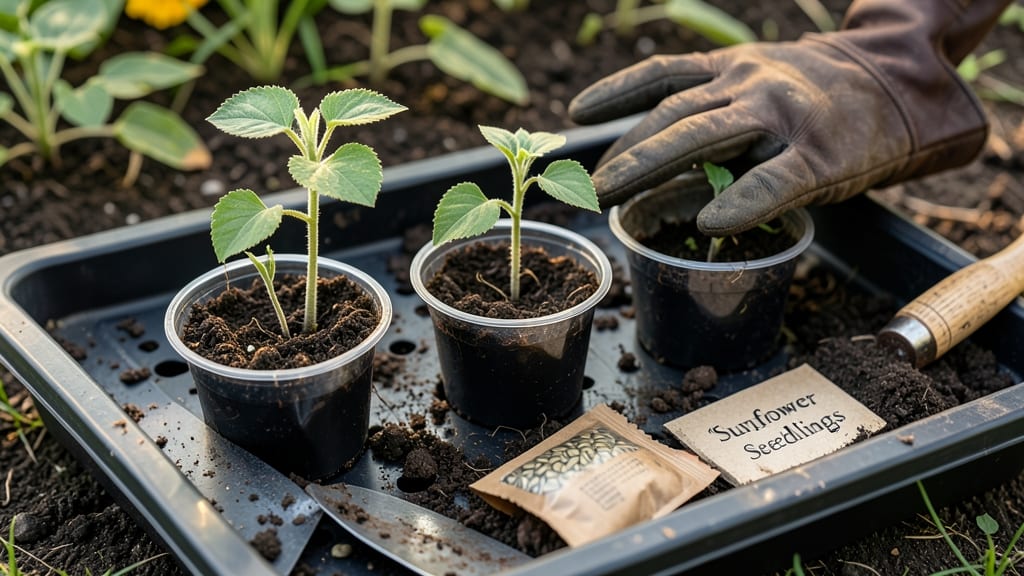
Timing your sunflower planting right is the key to fast germination and those towering 🌻 blooms you dream of—especially in USDA Zone 6a, where a single late frost can set you back weeks.
Picture this: you’ve just scattered seeds in early April, only for a surprise frost to nip them in the bud. Or worse, you plant too late, and the summer heat arrives before your sunflowers even think about shooting up.
The good news? With the right planting window, you can skip the guesswork and enjoy bold, healthy stalks in just 70 days.
Most gardeners in Zone 6a wait until after the last frost—typically mid-April—but soil temperature matters just as much. Seeds need warmth to sprout, so if your ground is still chilly, a little patience (or a row cover) can make all the difference.
Below, I’ll break down the exact dates for your zone, plus how to adjust if your spring runs late or your summer heats up fast.
You’ll learn how to time it perfectly for fast germination, avoid common pitfalls, and even pick the best sunflower varieties for your climate. Ready to grow sunflowers that reach for the sky? Let’s get started.

Best sunflower planting time by USDA zone for fast germination
Sunflowers thrive when planted at the right time, and your USDA zone is the key to unlocking their fastest germination and tallest growth.
These warm-season plants need consistent temperatures above 50°F (10°C) to sprout reliably, but planting too early risks frost damage while waiting too long can stunt their towering potential. Let's break down the ideal planting windows by zone to ensure your sunflowers sprout quickly and reach their full height.
For fast germination, aim to plant sunflower seeds when soil temperatures consistently stay above 60°F (15°C). This typically aligns with your last frost date, but cooler zones may need to wait longer.
The chart below shows the optimal planting months for each USDA zone, along with soil temperature requirements and frost-free windows to maximize your sunflowers' potential.
In USDA Zones 1-4, where winters are harsh, wait until after your last frost date—typically late May to early June—to plant sunflower seeds. These northern climates have shorter growing seasons, so choose early-maturing varieties like 'Autumn Beauty' or 'Moulin Rouge' to ensure they reach maturity before frost.
Use row covers if you're eager to start earlier, as they can accelerate soil warming by 5-10°F.
Gardeners in Zones 5-6 have a wider window, with ideal planting times from late April to mid-May. This aligns perfectly with soil temperatures reaching 55-60°F (13-15°C), which is ideal for fast germination.
For these zones, I recommend varieties like 'ProCut Hybrid' or 'Russian Giant'—both of which thrive in cooler temperatures and still produce stunning blooms. Plant seeds 1 inch deep and 6 inches apart for optimal spacing as they grow.
If you live in Zones 7-8, you can start planting as early as late February to April, depending on your last frost date. These warmer climates allow for earlier germination, often within 3-7 days when soil temperatures are ideal.
For faster results, I suggest starting seeds indoors 2 weeks before your target outdoor planting date. Varieties like 'Teddy Bear' or 'Sunspot' are excellent choices for these zones, as they handle the longer growing season well.
For those in Zones 9-10, where winters are mild, you can plant sunflowers as early as late February. However, be cautious of heat stress if planting in late summer or early fall.
The fastest germination occurs when soil temperatures are between 45-50°F (7-10°C), but avoid planting after July 1 to prevent bolting or poor flower development. Giant varieties like 'Russian Mammoth' or 'Mammoth Russian' thrive in these conditions but need consistent moisture to reach their full height.
Regardless of your zone, always plant sunflower seeds in well-draining soil with a pH between 6.0 and 7.5. Amend your soil with compost before planting to improve fertility and drainage. After sowing, keep the soil consistently moist but not soggy until germination occurs.
Once seedlings emerge, reduce watering slightly to prevent damping off, a common fungal issue in overly wet soil.
Pro tip: Mark your last frost date on your calendar and count
How to adjust sunflower planting time for your local climate
Your local climate can throw a wrench into even the best-laid sunflower planting plans. If you live in USDA Zone 6a like me, you know that a late frost or early heatwave can turn your garden dreams into a gamble.
The key to success? Flexibility. Adjusting your planting timeline based on soil temperature, frost dates, and even heat stress risks ensures your sunflowers thrive from seed to towering bloom.
Most seed packets suggest planting sunflowers after your last frost, but what if your spring drags on? Or what if summer arrives earlier than expected? I’ve learned that using row covers, season extenders, or simply delaying planting can make all the difference.
Let’s explore how to fine-tune your sunflower schedule for your specific climate challenges.
Sunflower seeds need soil temps of 55°F+ to germinate—cold soil means slow or no sprouting. Planting too early risks frost damage, while planting too late can lead to heat stress before blooming. Always check your last frost date (use the National Weather Service or Old Farmer’s Almanac) and monitor soil warmth with a soil thermometer.
Pro Tip: If your soil is still chilly, try starting seeds indoors 2-3 weeks before your target outdoor date or use black plastic mulch to warm the soil faster.
If your spring is slow to warm up, don’t wait for the "official" last frost date—wait for consistent daytime temps above 60°F. I’ve had success planting sunflowers in late April or early May in Zone 6a, even if the frost date is earlier.
Use a row cover for the first 2-3 weeks to protect young seedlings from unexpected cold snaps. These lightweight fabrics trap heat while allowing sunlight through, giving your sunflowers a head start.
For gardeners in hotter climates (like Zones 7-9), the opposite challenge arises: heat stress. Planting sunflowers too early can mean they bolt to flower before reaching their full height.
In these areas, aim to sow seeds in late spring or early summer (June for many regions) to avoid the worst heat. Choose heat-tolerant varieties like 'Moulin Rouge' or 'Autumn Beauty' for better success in sweltering conditions.
Unsure about your last frost date? No problem! Calculate it yourself using the USDA Plant Hardiness Zone Map and your local weather patterns. Add 2-3 weeks to your average last frost date for safety, especially if you’re planting tall varieties that need time to mature.
For example, if your last frost is April 15, wait until May 1 to plant standard sunflowers to ensure they have enough time to grow before winter sets in.
Remember, sunflowers are resilient, but timing matters. Whether you’re extending your season with row covers, delaying planting to avoid heat, or simply waiting for the right soil temperature, these adjustments will help you grow healthy, vibrant sunflowers that reach their full potential.
With the right strategy, you’ll enjoy those iconic 🌻 blooms from summer through fall.