
Flowers
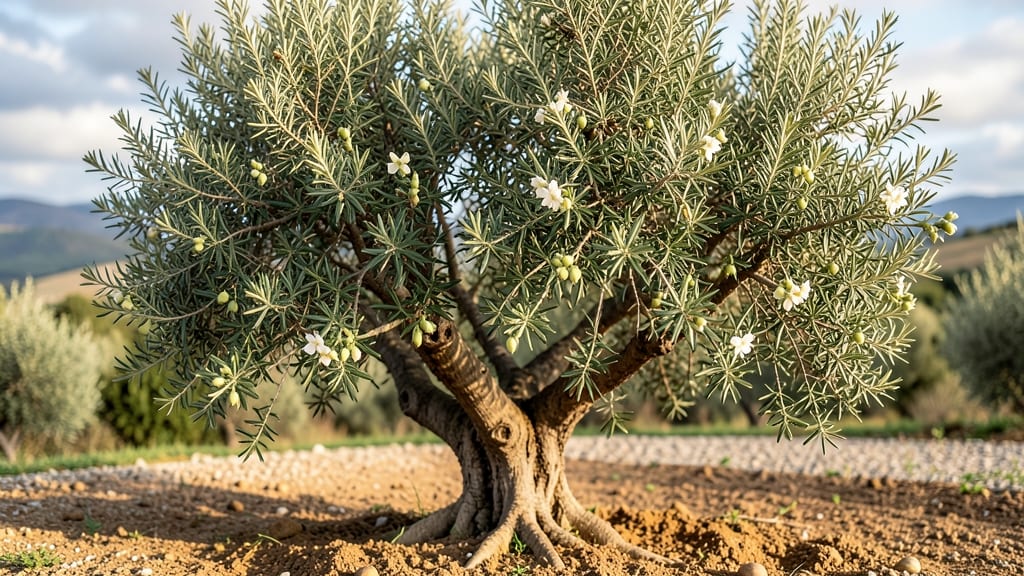
Olives flower in late spring, when daytime temperatures hit a steady 60°F for at least a week — a window that shifts dramatically depending on whether you're in the Mediterranean or a cooler USDA zone.
Did you know olive trees can take up to five years to produce their first flowers — and getting the timing right is the key to a bountiful harvest? Understanding when olives flower in your climate zone determines whether your tree thrives or struggles.
In Mediterranean climates, flowering typically occurs between April and June, while in temperate zones like California or the Southeast US, you might see blooms stretching from May to July. These differences matter because pollinators like bees need the right conditions to do their job.
Below, I break down the exact seasonal windows by region, how to spot flowering stages, and what you can do to ensure your olive tree puts on its best show — because healthy flowers mean better fruit next season.
Olive tree flowering seasons by USDA climate zones
Olive trees (Olea europaea) are fascinating because their flowering windows vary dramatically depending on your USDA hardiness zone. In Mediterranean climates (zones 9-11), blooms typically appear in late spring to early summer, while temperate zones 7-8 often see flowers in late winter or early spring.
These differences affect pollination success and fruit production, so knowing your zone's pattern is critical.
The key trigger for olive flowering is consistent daytime temperatures between 55°F and 75°F. In warmer zones, trees may produce two flowering cycles per year—spring and fall—while cooler zones usually see just one. Understanding these patterns helps you time pruning and pollinator support for maximum yields.
| USDA Zone | Primary Flowering Window | Secondary Window (if applicable) | Temperature Trigger | Key Regional Notes |
|---|---|---|---|---|
| Zones 7-8 | Late March - April | None (single cycle) | 50°F+ daytime temps | Cooler nights delay blooms |
| Zone 9 | April - May | September - October | 60°F+ consistent temps | Fall blooms common |
| Zones 10-11 | March - April | August - September | 55°F+ year-round | Year-round potential |
In USDA zones 7-8, olive trees typically flower just once in late winter to early spring, aligning with the tree's natural dormancy break. The 50°F daytime temperature threshold is critical—below this, buds may fail to open.
Gardeners in these zones should monitor chilling hours (300-500 hours below 45°F) to ensure proper dormancy before blooming.
Zones 9-11 experience a more Mediterranean pattern with two flowering cycles. The primary bloom occurs in late spring (April-May), while a secondary flush appears in late summer (August-September).
The consistent warmth of these zones allows for this dual production, but water stress can reduce flower quality, so deep watering during dry spells is essential.
One common misconception is that all olive trees flower at the same time. In reality, tree age and cultivar play huge roles. Young trees (under 5 years) may not flower at all, while mature trees can produce hundreds of flowers per branch.
Varieties like 'Arbequina' tend to bloom earlier than 'Manzanillo', which often waits until late spring.
To encourage optimal flowering, focus on three key factors: consistent moisture, balanced fertilization, and proper pruning timing. Avoid heavy nitrogen in late summer, as this can delay flowering. Instead, use a low-nitrogen, high-phosphorus fertilizer in early spring to support bud formation.
If your olive tree isn't flowering, check for these common issues: overwatering (which stresses roots), poor drainage (leading to root rot), or inconsistent sunlight (olives need full sun). In cooler zones, consider winter protection like windbreaks or frost cloth to prevent bud damage before the flowering window opens.
Understanding your zone's flowering patterns also helps with pollination strategies. While olive trees are self-pollinating, cross-pollination from different varieties can increase yields. Planting a second tree of a compatible cultivar (like 'Frantoio' with 'Leccino') just 20 feet away can boost fruit set by up to 30% in ideal conditions.
Remember that climate change is shifting these patterns—many gardeners in zones 8-9 now report earlier spring blooms by 2-3 weeks. Staying attuned to your tree's specific cues (like bud swelling) is more reliable than relying solely on calendar dates for pruning and pollinator support.
For container-grown olives, flowering timing shifts slightly due to root restriction. These trees may bloom 1-2 weeks later than in-ground specimens, so adjust your care schedule accordingly. With the right zone-specific approach, you can maximize your olive tree's flowering potential and enjoy a reliable harvest year after year. 🫒🌿
5 Signs your olive tree is ready to flower (and what to do next)
Spotting the right moment for your olive tree to flower can feel like waiting for a rare bloom in a dense forest. But with the right cues, you'll know exactly when to expect those delicate white flowers that precede your harvest.
The key is understanding how your tree signals readiness—whether through subtle leaf changes or bold bud formation.
Olive trees typically flower in late spring, but the exact timing depends on your USDA hardiness zone and local climate. In warmer zones (8-11), flowering often begins in April or May, while cooler zones (7) may see blooms as late as June.
Paying attention to these seasonal shifts helps you prepare for pollination and potential fruit set.
🌱 When Do Olives Flower? Key Indicators
- 1 New leaf flush: Watch for soft green leaves emerging in late winter/early spring—this signals active growth and impending blooms. 🌿
- 2 Bud formation: Tiny green buds appear at leaf axils (where leaves meet stems). These will swell into flowers within 2-4 weeks. 🌸
- 3 Temperature triggers: Flowers bloom when daytime temps hit 60°F+ consistently. Cooler mornings (50°F) help prevent frost damage. ☀️
- 4 Leaf color shift: Mature leaves turn darker green as the tree redirects energy to flowering. Pale leaves may indicate stress or nutrient deficiency. 🌱
- 5 Pollinator activity: Bees and flies visit buds daily during bloom. Lack of pollinators can reduce fruit set—consider planting companion flowers like lavender. 🐝
Once you spot these signs, it's time to support your tree for optimal flowering. Start by ensuring your olive gets 6+ hours of sunlight daily—partial shade can delay blooms. Water deeply once a week (more in summer) to encourage root growth, which fuels flower production.
If your tree is 5+ years old but hasn’t flowered yet, check for common issues like over-fertilizing with nitrogen (which promotes leaves over flowers) or poor drainage. Switch to a balanced 10-10-10 fertilizer in early spring and prune lightly to improve airflow—both steps can trigger flowering in dormant trees.
For young trees (under 3 years), flowering may not occur yet. Be patient! Focus on well-draining soil, minimal pruning, and consistent sunlight to build a strong foundation. Once established, most olive trees flower annually, with spring blooms leading to harvests in fall.
Pro tip: If your tree flowers but few fruits develop, hand-pollinate by gently shaking branches during bloom to distribute pollen. This mimics nature and boosts your chances of a bountiful olive harvest—worth the effort for homegrown olives! 🫒