
Planting
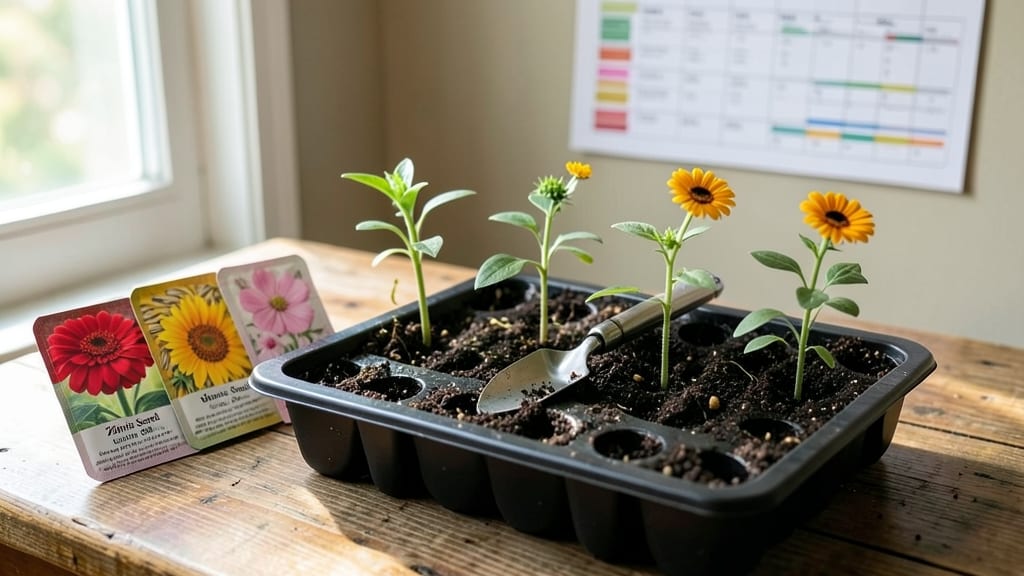
To plant cut flower seeds at the perfect time means timing them with your last frost date and soil warmth — a window that can stretch from early spring to late summer, depending on your zone.
Get it wrong, and you’ll either lose seedlings to a late freeze or miss the harvest season entirely. I’ve seen six-foot sunflowers bolt in July because they were planted too early, and zinnias flop in August heat when sown too late.
This guide breaks down the ideal planting windows by USDA zone, when to start seeds indoors, and how to adjust for your local climate. Whether you’re growing snapdragons for bouquets or sunflowers for height, nailing the timing ensures blooms that last from vase to vase.
You’ll learn how to calculate frost-free dates, when to sow for continuous harvests, and which flowers thrive with staggered plantings. No more guessing — just long-stemmed perfection from seed to stem.
Cut flower seed planting calendar by US hardiness zones
Timing your cut flower seeds correctly means the difference between bountiful bouquets and wasted effort. Since USDA zones 3-8 experience vastly different frost patterns, I’ve broken down the ideal planting windows for zinnias, snapdragons, sunflowers, and other top cut flowers.
These schedules account for frost-free dates and germination periods so you can plan ahead for continuous blooms.
For example, in Zone 3, where winters are harsh, you’ll want to start seeds indoors 6-8 weeks before your last frost date. Meanwhile, gardeners in Zone 8 can often sow directly into the garden as early as February, thanks to milder winters.
The key is understanding your local frost dates and adjusting for each flower’s days to maturity.
Zinnias and cosmos are heat-lovers that thrive when planted after soil warms to 60°F+, while snapdragons and sweet peas prefer cooler spring soil. Below, I’ve mapped out the perfect planting windows by zone, including succession planting tips for nonstop harvests.
| USDA Zone | Last Frost Date | Direct Sow Start (Outdoor) | Indoor Start (If Needed) | Succession Planting Windows | Best Cut Flowers |
|---|---|---|---|---|---|
| Zone 3 | Mid-May | Late May - Early June | Indoors: March 15 - April 15 | Every 2-3 weeks until July | Zinnias, Snapdragons, Sunflowers |
| Zone 4 | Early May | Early May - Mid-June | Indoors: March 1 - April 1 | Every 3 weeks until August | Cosmos, Dahlias, Sweet Alyssum |
| Zone 5 | Mid-April | Late April - Early June | Indoors: February 15 - March 15 | Every 3-4 weeks until September | Rudbeckia, Black-Eyed Susans, Marigolds |
| Zone 6 | Early April | Early April - Late May | Indoors: January 30 - February 28 | Every 4 weeks until October | Larkspur, Stock, Hollyhock |
| Zone 7 | Mid-March | Late March - Early June | Indoors: January 15 - February 15 | Every 4-6 weeks until November | Dahlia, Celosia, Statice |
| Zone 8 | Mid-February | February - Early June | Indoors: December 15 - January 15 | Every 6 weeks until December | Sunflowers, Zinnias, Snapdragons |
In Zone 3, where frost lingers late, I recommend starting snapdragons and sweet peas indoors in March for early blooms. These cool-season flowers can handle light frosts, making them ideal for extended harvests. Meanwhile, sunflowers in Zone 8
How to adjust planting times for long-stemmed blooms
Extending your cut flower harvest isn't about luck—it's about strategic planting. By adjusting timing with succession planting, heat-tolerant varieties, and season extenders, you can enjoy long-stemmed blooms from early summer through fall.
I’ve learned that even a two-week difference in planting can mean the difference between wilted stems and vase-ready perfection.
The key is understanding your plants' days-to-maturity and your local climate quirks. For example, zinnias mature in 60-70 days, while sunflowers take 80-100 days. If you plant both at once, you’ll have a lull in blooms—unless you stagger them. Let’s break down how to time it right for continuous harvests.
- 1. Calculate frost-free dates for your zone (find yours via USDA Plant Hardiness Zone Map). Subtract days-to-maturity (e.g., 75 days for zinnias) to find your last indoor sowing date.
- 2. Sow succession batches every 2-3 weeks after your first planting. For example, plant snapdragons (60 days to bloom) in April, May, and June for staggered harvests through October.
- 3. Use cold frames to start seeds 4-6 weeks earlier in spring. Place frames in full sun and remove lids when soil warms to 50°F to harden off seedlings.
- 4. Choose heat-tolerant varieties like celosia or gomphrena, which thrive in 90°F+ temperatures and extend your harvest into late summer.
- 5. Direct-sow late-season flowers like cosmos in July-August for fall blooms. These self-seed easily and often return the next year.
For long-stemmed varieties like sunflowers or delphiniums, prioritize deep, fertile soil to support their height. Amend beds with compost and a balanced fertilizer (10-10-10) at planting. I’ve found that staking or caging tall flowers early prevents flopping and ensures clean stems for cutting.
Adjust for your microclimate too—shady spots may need earlier plantings, while south-facing beds can handle later sowings. Use a soil thermometer to confirm warmth (60°F+) before direct-sowing heat-sensitive seeds like snapdragons. In cooler zones (5-7), consider a mini greenhouse to push harvests into November.
Pro tip: Keep a planting journal to track what works. Note which varieties bolted, which thrived, and when you harvested. Over time, you’ll refine your timing to match your garden’s rhythm—just like a seasoned florist. With these adjustments, you’ll enjoy continuous bouquets from June through frost.