
Flowers
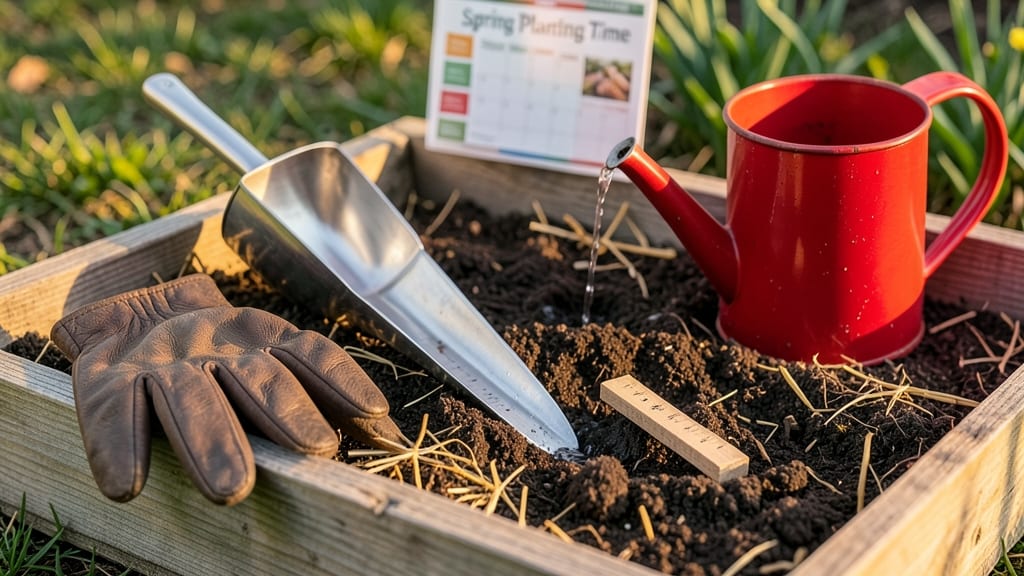
Planting flower bulbs in spring is all about timing—wait too long, and you’ll miss the 6-week window before active growth kicks in.
I’ve seen gardeners rush to dig in February only to watch their bulbs rot in cold, damp soil. The secret? Checking soil temperature first—50–60°F is the magic range for most 🌷 varieties. Too early, and the roots won’t establish; too late, and blooms may never appear.
In USDA Zone 6a, where frost lingers until mid-April, the ideal planting window opens around March 15—but that date shifts north or south depending on your region. Below, I’ll break down how to test soil, adjust for late frosts, and avoid the three mistakes that kill spring bulb success.
You’ll also learn how to prep soil for faster root growth, spot the early signs bulbs are ready to go in, and why a little patience now saves hours of frustration later.
Perfect soil temperature for planting flower bulbs in spring
Spring is the perfect time to plant flower bulbs like tulips, daffodils, and hyacinths, but timing matters more than you might think. The ideal soil temperature for planting is between 50°F and 60°F.
This range ensures bulbs wake up from dormancy just enough to root without rotting in cold, wet soil. Too early, and you risk bulb rot; too late, and your blooms may never appear. Let’s break down the science and how to test your soil accurately.
Most gardeners focus on frost dates, but soil temperature is the real game-changer. Bulbs need the ground to be warm enough to encourage root growth but not so hot that they dry out or overheat. Think of it like Goldilocks—just right!
In USDA Zone 6a, where spring arrives gradually, this typically means waiting until mid-to-late March or early April. But in warmer zones like Zone 9, you might start as early as February. The key is consistency: 50-60°F is your target.
| Bulb Type | Ideal Soil Temp | USDA Zones | Best Planting Window |
|---|---|---|---|
| Tulips | 50-55°F | 3-8 | Early April (after last frost) |
| Daffodils | 55-60°F | 4-10 | Late March to early April |
| Hyacinths | 50-58°F | 5-9 | Mid-March to April |
| Alliums | 52-60°F | 6-10 | Late March to May |
To test your soil temperature accurately, use a soil thermometer. These inexpensive tools (around $10) give precise readings in minutes. Insert the probe 4-6 inches deep, where your bulbs will sit, and wait 30 seconds for the reading.
If you don’t have a thermometer, try the finger test: press your finger into the soil. If it feels cool but not icy, it’s likely in the 50-60°F range. For a more scientific approach, check the National Weather Service for your area’s soil temperature forecasts.
Regional variations play a huge role in spring planting. In cooler climates (Zones 3-5), like the Pacific Northwest or New England, wait until the soil warms to 50°F—often late April or early May.
In warmer zones (Zones 7-10), such as the Southeast or Southwest, you can start as early as February. For example, in Zone 8, daffodils might be planted in late February, while tulips wait until March.
Always align your planting with your last frost date, but prioritize soil temperature over calendar dates.
If your soil is too cold, cover the area with black plastic mulch for a week to warm it up naturally. This trick works wonders in early spring when days are still chilly. Conversely, if the soil is too warm (above 65°F), delay planting until temperatures drop.
Bulbs planted in hot soil can dry out before roots establish, leading to poor blooms or no blooms at all. Patience is key—better to wait a week than rush and risk failure.
Another pro tip: plant bulbs in well-draining soil to prevent rot. Amend heavy clay soil with compost or sand to improve drainage. A quick check is the percolation test: dig a small hole, fill it with water, and time how long it takes to drain.
If water pools for more than an hour, your soil needs amending. Well-draining soil ensures bulbs get the oxygen they need to root while preventing waterlogged conditions that invite rot.
Once you’ve confirmed the soil is in the 50-60°F range, it’s time to plant! Dig holes 2-3 times deeper than the bulb’s height and space them 3-6 inches apart. For example, a 2-inch-tall tulip bulb should go 4-6 inches deep.
Water thoroughly after planting to settle the soil and encourage root growth. Within a few weeks, you’ll see green shoots breaking through the soil—a sure sign your bulbs are happy and ready to bloom.
Remember, consistency is critical. Check soil temperature every few days if spring is unpredictable. In some years, a late frost or unseasonable warmth can throw off your timing. Keep a gardening journal to track soil temps and planting dates—this helps you refine your approach year after year.
With the right soil temperature and a little patience, your flower bulbs will reward you with vibrant blooms that brighten up your garden all season long.
Don’t let spring’s fleeting window slip by—master the art of soil temperature, and you’ll be the gardener with the showiest blooms on the block! 🌷
Spring planting calendar for flower bulbs by region
Spring brings the perfect opportunity to plant flower bulbs like tulips, daffodils, and hyacinths—but timing varies dramatically by USDA zone. In colder regions (zones 3-5), you can start as early as February, while warmer zones (8-10) wait until March or April.
The key is planting after the last frost date and when soil temps hit 50-60°F. Let’s break it down by zone to avoid missed blooms.
For zones 3-5, where winters are harsh, aim for early spring planting (March-April) once the ground is workable. In zones 6-7, you have flexibility from February to April, depending on frost timing.
Meanwhile, gardeners in zones 8-10 should wait until late winter or early spring (February-March) to avoid heat stress. Always check your local last frost date—planting too early risks frost damage.
Tulips and hyacinths thrive when planted in cool soil, while daffodils and alliums tolerate slightly warmer conditions. In USDA zone 4, for example, I plant daffodils in March but wait until April for tulips to avoid late frosts. Adjust depths too: smaller bulbs (like grape hyacinths) need only 2 inches deep, while tulips require 6-8 inches.
| USDA Zone | Best Planting Month | Soil Temp | Key Bulbs | Frost Risk |
|---|---|---|---|---|
| 3-5 | March-April | 50-55°F | Daffodils, Alliums | High |
| 6-7 | February-April | 55-60°F | Tulips, Hyacinths | Moderate |
| 8-10 | February-March | 60-65°F | Alliums, Daffodils | Low |
In USDA zone 6, I’ve found that February planting works for daffodils, but I delay tulips until April to avoid late-season frosts. Pro tip: Use mulch after planting to insulate bulbs and retain moisture.
In zone 9, where winters are mild, I plant alliums in February to enjoy blooms by March. Always prioritize well-draining soil—bulbs rot in soggy conditions.
For late bloomers like hyacinths, plant in March across most zones to ensure they finish flowering before summer heat sets in. In zone 5, I’ve had success with miniature daffodils planted in late April, though they bloom later.
Test soil moisture before planting—dry soil delays sprouting, while overly wet soil can cause rot. Aim for consistent moisture after planting to encourage strong root growth.
Remember, spring planting is ideal for naturalizing bulbs in lawns or borders. In USDA zone 8, I plant tulips in February and cover them with straw mulch to protect from erratic temperature swings.
If you miss the spring window, don’t panic—fall planting (4-6 weeks before frost) is another great option for many bulbs. Just adjust your schedule to match your local climate and soil conditions.