
Flowers
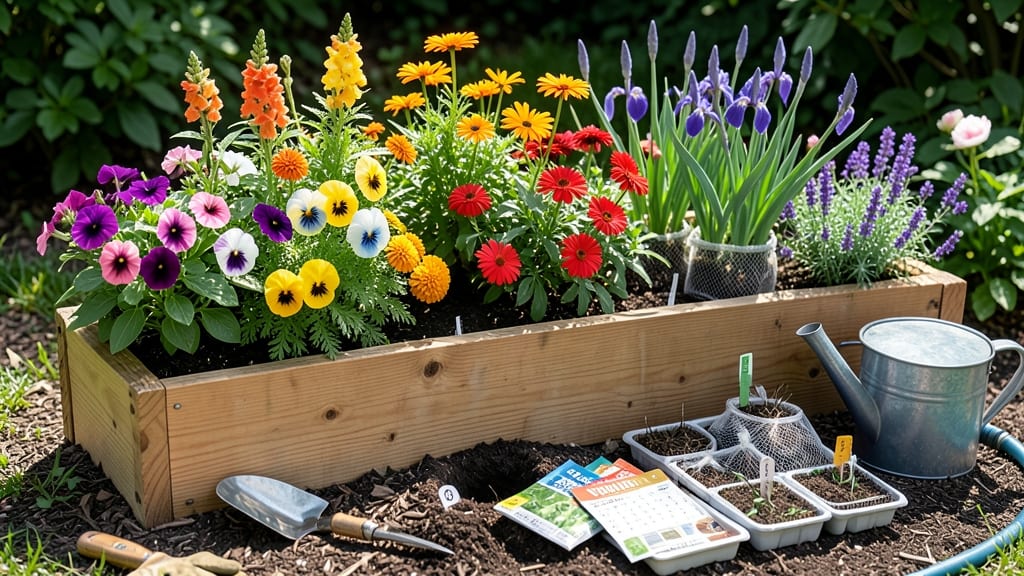
To plant flowers in Portland, Oregon, time it right between March and May for spring blooms or September and October for fall varieties—missing these windows risks stunted growth or frost damage.
Portland’s mild yet unpredictable climate makes timing your flower planting a game-changer—get it wrong, and your blooms may never reach their full potential. But with the right frost dates and variety-specific guidance, you can transform your garden into a year-round floral masterpiece.
Whether you’re planting dahlias in June or tulips in February, understanding Portland’s USDA Zone 8a and last frost date (April 15) is key. Urban heat islands and microclimates can shift planting times, so we’ll break down the best months for each flower type.
Here’s what you’ll learn: the exact frost-free window for your favorite flowers, how to adjust for Portland’s rainy springs and dry summers, and pro tips to ensure vibrant blooms all season long.
Portland’s frost dates and ideal flower planting months by season
Portland’s USDA Zone 8a climate creates a unique gardening puzzle—mild winters and warm summers that can confuse even experienced gardeners. The average last frost date is around April 15, while the first frost typically arrives October 15.
However, these dates aren’t set in stone; urban heat islands and microclimates can shift planting windows by 2-3 weeks.
Understanding these frost dates is crucial because cool-season flowers like pansies thrive in early spring, while heat-loving annuals like zinnias need warmer soil. Portland’s rainy springs can delay planting, so soil temperature—50°F (10°C) or warmer—is a better guide than calendar dates alone.
Here’s how to align your planting with Portland’s seasonal rhythms, from bulb planting in winter to summer succession sowing:
| Season | Planting Window | Ideal Flowers | Key Notes |
|---|---|---|---|
| Winter (Dec-Feb) | Late Dec - Early Feb | Tulips, Daffodils, Hyacinths, Winter Aconite | Plant bulbs 6-8 weeks before last frost (soil temps <40°F). Use mulch to protect from wet winters. |
| Spring (Mar-May) | After April 15 (soil 50°F+) | Annuals (Petunias, Marigolds), Perennials (Bee Balm, Coneflowers), Dahlias | Start cool-season crops first. Use row covers for late frosts. Avoid planting in soggy soil. |
| Summer (Jun-Aug) | June (after soil warms) | Sunflowers, Zinnias, Cosmos, Lantana | Prioritize drought-tolerant varieties. Succession plant every 2-3 weeks for continuous blooms. |
| Fall (Sep-Nov) | Late Aug - Early Oct (6-8 weeks before first frost) | Pansies, Snapdragons, Calendulas, Asters | Perfect for cool-season blooms. Plant perennials in late summer for root establishment. |
| Year-Round | Container Gardening | Geraniums, Lavender, Ornamental Grasses | Use containers with drainage. Move pots indoors in winter if needed. |
Spring planting in Portland starts after April 15, but don’t rush—soil warming is more critical than the calendar. Test soil temperature with a soil thermometer; most flowers need 50°F (10°C) minimum. For annuals like petunias, wait until May in cooler microclimates like Forest Park.
Summer’s dry heat (June-August) demands drought-resistant picks like zinnias or cosmos. Succession planting every 2-3 weeks ensures nonstop color. Urban areas like Downtown Portland may need extra watering due to heat islands, while rural areas like Hillsboro can handle native wildflowers with minimal care.
Fall is Portland’s hidden gem for gardeners. Plant cool-season annuals like pansies in late August for winter blooms. Perennials like bee balm benefit from late-summer planting to establish roots before winter. Mulch heavily to protect from wet, cold soils.
Winter isn’t just for bulbs—evergreen flowers like heather or ornamental cabbage add color. Plant spring-blooming bulbs (tulips, daffodils) in December for early spring displays. Use well-draining soil to prevent rot in Portland’s rainy winters.
Pro tip: Track your local frost dates for 3 years to adjust planting windows. Urban areas like Pearl District may warm up 1-2 weeks earlier than rural areas like Wilsonville.
Always have row covers on hand for late frosts—they’ve saved my tender annuals more times than I can count! 🌱
Best flowers to plant in Portland by month: a variety-specific guide
Portland’s USDA Zone 8a climate offers unique opportunities for gardeners, but its unpredictable frosts and microclimates demand careful planning. Urban areas like Downtown Portland can be 5°F warmer than rural zones like Hillsboro, so adjust your planting timeline accordingly.
The key is balancing cold-hardy varieties with heat-tolerant picks to maximize your garden’s potential year-round.
For spring blooms, focus on tulips and daffodils in February-March—these bulbs thrive in Portland’s cool, wet soils and reward patience with vibrant displays.
Meanwhile, summer annuals like petunias and zinnias should wait until after the last frost (mid-April) to avoid frost damage. Fall planting is perfect for dahlias and chrysanthemums, which love Portland’s mild autumn temperatures.
- 1 February-March: Plant tulips, daffodils, and crocuses—these cold-hardy bulbs thrive in Portland’s 40-50°F soil. Urban areas may need row covers for late frosts.
- 2 April (after frost): Sow petunias, marigolds, and snapdragons—ideal for Portland’s sunny patches. Rural areas can plant 2 weeks earlier due to cooler microclimates.
- 3 May-June: Introduce dahlias, lavender, and cosmos—heat-tolerant picks for Portland’s summer sun. Mulch heavily to retain moisture in urban heat islands.
- 4 September-October: Plant chrysanthemums, asters, and pansies for fall color. These cool-season bloomers love Portland’s 50-60°F temps and often rebloom in spring.
- 5 November-January: Focus on winter interest with heuchera, hellebores, and ornamental grasses. These evergreen perennials handle Portland’s rain and chill beautifully.
For urban gardeners, prioritize compact varieties like dwarf petunias or window-box pansies—they thrive in containers and handle Portland’s limited space. Rural areas can experiment with larger perennials like peony bushes or daylilies, which love the extra room and cooler nights.
Always amend soil with compost before planting, as Portland’s clay-heavy soils can drain poorly.
Pro tip: Use succession planting to extend your blooms. For example, sow fast-growing nasturtiums every 2 weeks in May-July to keep your garden bursting with color. This works especially well in Portland’s short growing season, where late frosts can cut blooms short.
Pair heat-loving zinnias with cool-season pansies for a year-round display.
Don’t forget native wildflowers like yarrow or blanket flower—they’re drought-tolerant and attract local pollinators. These low-maintenance picks thrive in Portland’s variable rainfall and urban heat islands. For container gardens, try calibrachoas or geraniums—they’re compact, colorful, and perfect for balconies.
With this month-by-month guide, your Portland garden can bloom beautifully—no matter the microclimate or weather whims. Start small, experiment with seasonal varieties, and soon you’ll have a floral masterpiece that rivals the Portland Rose Garden! 🌷