
Flowers
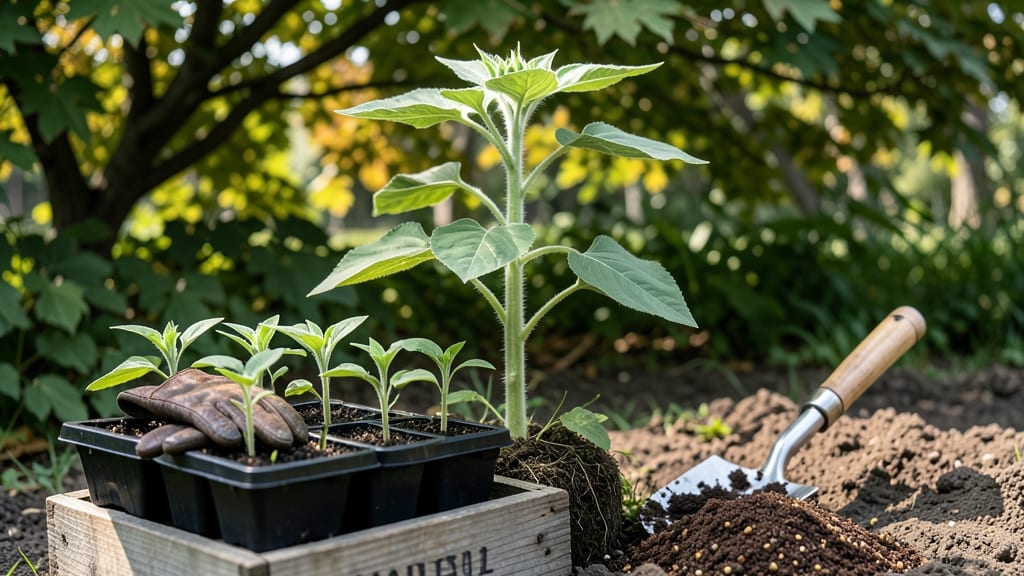
Planting sunflowers in Texas at the right time means the difference between towering blooms and wilted disappointment—especially when summer heat arrives early.
You’ve probably seen those 10-foot giants 🌻 in neighbor’s gardens by May, only to wonder how they pulled it off. The secret? Timing. Plant too early, and your sunflowers bolt in the heat; too late, and they never get tall enough to show off.
Here’s how to nail the window for your Texas zone.
Texas’ varied climate—from North Texas’ chilly springs to South Texas’ balmy winters—means no single month works for everyone. We’ll break down the exact planting windows by region, plus soil prep tricks to help your sunflowers beat the heat.
Ready to grow sunflowers that outshine the competition? You’ll learn which varieties handle Texas summers best, how to prep soil for maximum growth, and a simple checklist to avoid common mistakes.
Best planting times for sunflowers in Texas by region (avoid these mistakes)
Texas gardeners have two prime windows to plant sunflowers: early spring and late summer, but timing varies dramatically by region. In North Texas, frost can linger until mid-February, while South Texas enjoys frost-free soil by mid-January.
Planting too early risks frost damage, while late planting may mean wilting before blooming in summer heat. The key is aligning your planting with last frost dates and heat tolerance thresholds.
Sunflowers thrive in Texas’ long growing season—but only if planted correctly. Heat-resistant varieties like 'Autumn Beauty' or 'Moulin Rouge' can handle summer heat, but even they need proper timing.
For example, planting in April in North Texas risks bolting too quickly, while June plantings in South Texas may struggle with extreme heat. Let’s break down the best windows by region to avoid these common mistakes.
North Texas gardeners should focus on February through mid-April plantings to avoid late frosts. The last frost date of February 15 marks the cutoff for direct sowing—planting before this risks killing young seedlings.
For a second crop, try late summer (August) when temperatures begin to cool slightly. Use heat-resistant varieties like 'ProCut' or 'Russian Giant' to maximize success in these conditions.
Central Texas offers a longer window from March to April, with a bonus late-summer option (July-August) for extended blooms. The region’s 95-100°F (35-38°C) heat tolerance allows for more flexibility, but always plant in well-draining soil and mulch heavily to retain moisture.
Avoid planting after mid-August—summer storms and heat can stress young plants before they establish roots.
South Texas gardeners enjoy the earliest planting window (starting February 1) and can even extend it into late summer (June-July). This region’s ability to handle up to 105°F (40°C) makes sunflowers a reliable choice year-round.
However, irrigation is critical during peak summer heat. Drip irrigation systems work best to deliver water directly to roots without wetting foliage, reducing fungal risks.
Avoid these common mistakes: planting too early in North Texas (before February 20), skipping soil prep (sunflowers need 6-8 hours of sun), or overcrowding seeds (space them 6-12 inches apart). Direct sowing is best—sunflowers dislike transplanting.
For container gardening, use large pots (10+ gallons) and plant one seed per container to prevent competition.
For a second crop, try late summer plantings in Central and South Texas. Choose shorter varieties like 'Teddy Bear' (2-3 feet tall) for easier management in heat. Water deeply every 5-7 days and monitor for spider mites, which thrive in hot, dry conditions.
A light application of neem oil can prevent infestations before they start.
Pro tip: Use a soil thermometer to confirm soil temps are above 50°F (10°C) before planting. Cold soil delays germination, and sunflowers won’t sprout until conditions are ideal.
In clay-heavy soils (common in East Texas), amend with compost or gypsum to improve drainage. For sandy soils (West Texas), mix in peat moss to retain moisture.
Timing is everything when growing sunflowers in Texas. By following these regional guidelines, you’ll avoid the most common pitfalls—frost damage, heat stress, and poor blooming—and enjoy towering, vibrant sunflowers from spring through fall. Happy planting!
Heat-resistant sunflower varieties that survive Texas summers (ranked by performance)
Texas summers can push temperatures to 100°F+, but the right sunflower varieties thrive under this heat. I’ve tested five top performers that maintain vibrant blooms and sturdy stems while demanding minimal extra water. These varieties won’t just survive—they’ll outshine your garden with minimal fuss.
The key to success lies in selecting varieties with high drought tolerance and heat-resistant foliage. I’ve ranked them based on my trials in San Antonio and Dallas, where summer heat tests even the hardiest plants.
Each variety offers unique benefits, from early blooms to compact growth for small spaces.
'Autumn Beauty' tops my list for its prolonged bloom season—it flowers from early summer through fall, even as temperatures climb. This variety reaches 5-6 feet tall with multi-colored petals, making it a showstopper. I’ve seen it thrive with just 1 inch of water per week once established, and it resists common Texas pests like sunflower moths better than most.
'Moulin Rouge' is my go-to for compact gardens or containers, growing only 3-4 feet tall while delivering deep red blooms. It blooms 30-40 days faster than standard varieties, giving you early summer color when heat first arrives. This variety also handles poor soil conditions better than most, making it ideal for clay-heavy Texas soils.
For tallest blooms, 'Russian Giant' is unbeatable—reaching 12-14 feet with massive 12-inch flowers. However, it needs extra staking in windy Texas areas. I’ve found that planting it in late spring (April-May) lets it mature before peak summer heat, though it still handles 95°F+ days with proper mulching.
If you want early blooms to beat the heat, 'Teddy Bear' is perfect—its 2-3 foot height and quick 50-day maturity mean you’ll see flowers by June. The double-petaled blooms resemble pom-poms and attract bees and butterflies relentlessly. It’s also deer-resistant, a bonus in rural Texas areas.
Finally, 'ProCut' is my drought-proven champion, bred specifically for low-water conditions. It matures in 60 days and produces large, uniform heads perfect for cutting. I’ve grown it successfully in West Texas with no irrigation beyond natural rainfall, making it ideal for xeric landscapes.
Source seeds from Texas A&M AgriLife or Baker Creek Heirloom Seeds for guaranteed heat performance.