
Plants
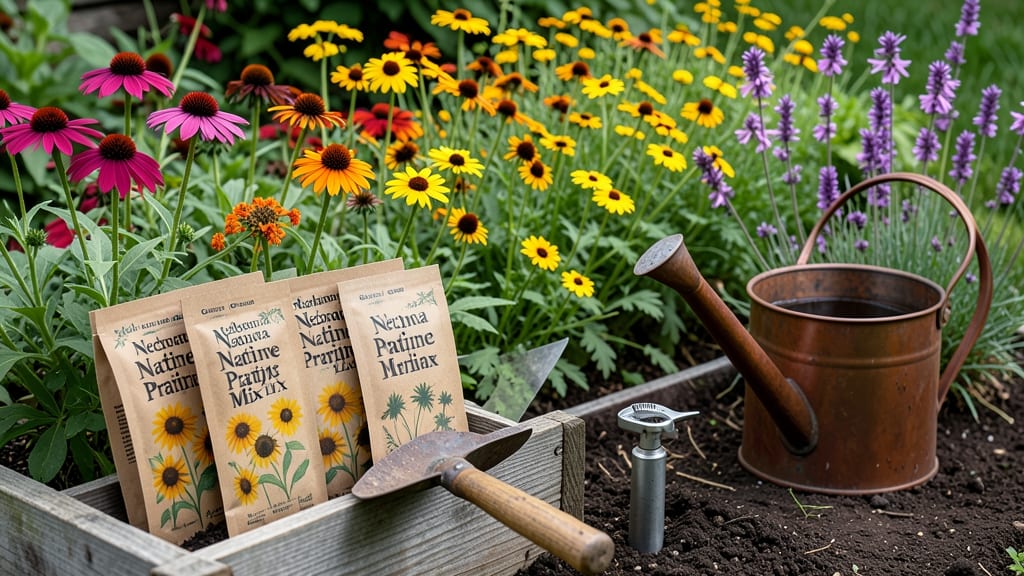
Plant wildflower seeds in Nebraska between early March and April for spring blooms or late August to September for a fall display, aligning with USDA Zones 5b-6a.
Nebraska’s unpredictable spring weather can make planting wildflower seeds a guessing game—but timing these seeds right ensures vibrant blooms that attract pollinators and transform your landscape.
With USDA Zones 5b-6a offering unique microclimates, knowing the exact window for planting can mean the difference between a thriving meadow and a failed attempt.
Most gardeners focus on spring planting, but late summer offers a second chance for hardy varieties like black-eyed Susans and prairie coneflowers. The key is soil temperature—wait until the ground warms to 40-50°F—and avoid planting too early when frost still lingers.
Below, I break down the best months by region, soil prep tricks for Nebraska’s clay-heavy ground, and how to care for your wildflowers once they sprout. Ready to turn your yard into a pollinator paradise? Let’s get started.
Best planting months for Nebraska wildflowers by USDA zone 5b-6a
Nebraska’s USDA Zones 5b-6a create unique challenges for wildflower gardeners, where spring frost dates can vary by 2-3 weeks between eastern plains and western highlands.
The key to success lies in understanding soil temperature thresholds—most wildflower seeds need 40-50°F soil to germinate, which typically aligns with March-April for spring planting or August-September for fall.
For annual wildflowers, timing is critical—they rely on warm soil and consistent moisture to establish roots before Nebraska’s summer heat arrives. Perennials, however, offer more flexibility since they’ll return year after year, but even they benefit from proper fall planting to develop strong root systems before winter.
Western Nebraska’s higher elevations (like the Sandhills) often experience cooler soils and later frost dates, while the eastern plains can warm up faster. This means adjusting your planting window by 1-2 weeks depending on your location—check local USDA frost maps or your county extension office for precise guidance.
Soil preparation is just as important as timing. Nebraska’s alkaline clay soils can compact easily, so loosen the top 2-3 inches of soil and mix in compost or sand to improve drainage. Avoid tilling deeply, as wildflower seeds often need light soil contact to germinate properly.
Here’s your Nebraska wildflower planting timeline, broken down by zone and season to maximize success:
Spring planting in March-April gives wildflowers a head start before Nebraska’s summer drought sets in. Focus on annual varieties like cosmos or sunflowers, which bloom quickly and attract pollinators. For perennials, fall planting in August-September allows roots to establish before winter, ensuring earlier blooms next year.
In western Nebraska, where elevations exceed 3,000 feet, aim for 1-2 weeks later than eastern timelines. The Sandhills region, for example, may not see consistent 50°F soil until mid-April, while Lincoln or Omaha can start as early as late March.
Always monitor local weather forecasts for frost warnings—new seedlings are highly vulnerable.
After sowing seeds, lightly press them into the soil (no deeper than 1/4 inch) and keep the area moist but not soggy for the first 4-6 weeks.
Nebraska’s low humidity and windy conditions can dry out soil quickly, so consider mulching with straw to retain moisture. Avoid overwatering, as wildflowers are drought-tolerant once established.
For maximum diversity, mix native Nebraska wildflowers (like prairie coneflower or butterfly milkweed) with colorful annuals such as black-eyed Susans or bee balm. This combination ensures year-round interest and supports local pollinators, from monarch butterflies to native bees
How to choose wildflower seed mixes for Nebraska’s climate and soil
Nebraska’s alkaline and clay-heavy soils demand the right wildflower seed mixes to thrive. Native varieties like prairie coneflower and black-eyed Susan are perfect for our drought-prone conditions, while non-native mixes offer vibrant blooms. Choosing the right mix ensures your garden supports pollinators and adapts to Nebraska’s USDA Zones 5b-6a.
Start by testing your soil pH—Nebraska’s soils often run 7.5-8.5, which is alkaline. Most wildflowers prefer 6.0-7.0, so amend with sulfur or peat moss if needed. For clay-heavy soils, add compost or sand to improve drainage. This prep work is critical for seed success.
Native vs. Non-Native Wildflower Seed Mixes
Native Seed Mixes
- Pros: Thrives in local climate, supports native pollinators, low maintenance.
- Cons: Limited color variety, slower establishment.
Non-Native Seed Mixes
- Pros: Wider color options, faster germination, longer bloom seasons.
- Cons: May require more water, less ecological benefit.
Drought-Resistant Varieties
- Prairie Coneflower (Echinacea) – Summer blooms, attracts butterflies.
- Black-Eyed Susan (Rudbeckia) – Golden blooms, thrives in poor soil.
- Purple Coneflower (Echinacea purpurea) – Long bloom season, pollinator magnet.
For spring blooms, opt for mixes with wild violets or pasque flowers, which germinate early. Summer bloomers like cone flowers and sunflowers thrive in Nebraska’s heat, while fall varieties such as asters and goldenrod add late-season color.
Each mix serves a purpose—whether it’s attracting bees or extending your garden’s seasonal interest.
Consider your garden’s purpose: Are you planting for pollinators, wildlife habitat, or visual appeal? Native mixes like Prairie Star or Wildflower Meadow blends are ideal for ecological benefits, while non-native mixes like Sunflower Mix offer bold, eye-catching displays.
Balance your choices to meet both aesthetic and functional goals.
After selecting your mix, prepare the soil by removing weeds and debris, then lightly rake to create a fine seedbed. Scatter seeds evenly and press them into the soil—no need to bury deeply.
Water gently to keep the soil moist but not soggy. With the right mix and prep, your Nebraska wildflower garden will thrive year after year.
Remember, Nebraska’s climate variations mean western areas may need earlier planting than eastern regions. Always check local frost dates and adjust your timeline accordingly. With the right seeds and care, your garden will become a haven for pollinators and a stunning landscape feature.