
Orchid Care
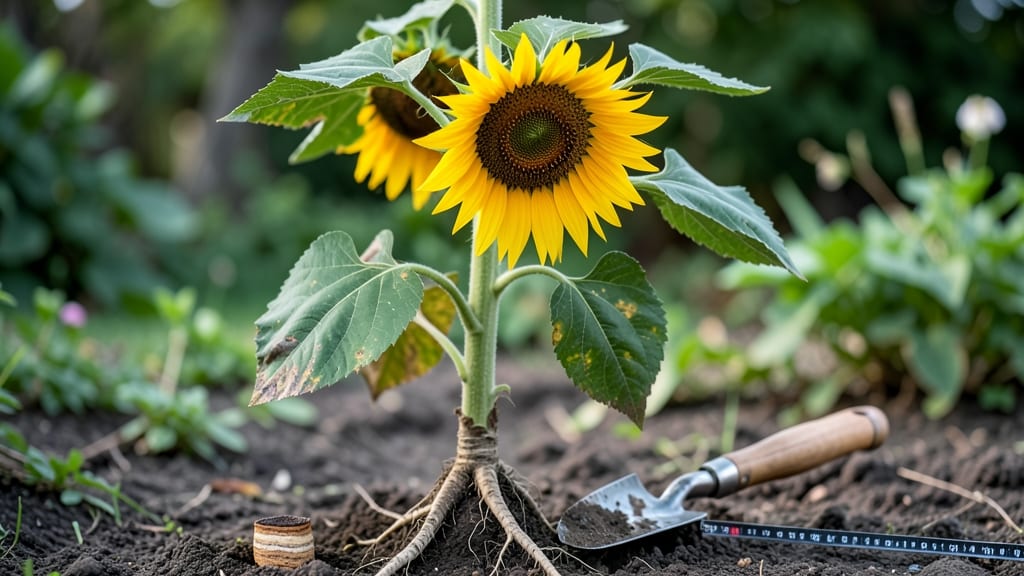
Do sunflowers have deep roots? The answer is a resounding yes—they grow roots that can reach 6 feet or more underground 🌻, anchoring them firmly and tapping into moisture far below the surface.
If you’ve ever watched a sunflower sway in a breeze and wondered how it stays upright, the answer lies in those roots. They’re not just deep—they’re also surprisingly sturdy, with a central taproot that digs downward while lateral roots spread outward for stability.
This root system matters more than you might think. Deep roots help sunflowers access water during droughts, resist wind damage, and even improve soil structure over time. But there’s a catch: planting too close to fences or buildings can stunt their growth.
In this guide, I’ll break down exactly how deep sunflower roots go, what affects their growth, and how to plant them for the strongest, healthiest stems—so your sunflowers stand tall all season long.
How deep do sunflower roots grow? Exact measurements & growth patterns
Sunflowers may dazzle above ground with their towering bright yellow blooms, but their root systems are just as impressive—if not more so. On average, a mature sunflower’s taproot can plunge 3 to 6 feet deep, while lateral roots spread 2 to 3 feet wide.
This deep-reaching structure isn’t just for show—it’s how sunflowers access water and nutrients in dry conditions and stay anchored in windy climates. But the depth varies wildly depending on the variety, soil type, and growing conditions.
For dwarf varieties like 'Teddy Bear' or 'Moulin Rouge,' roots typically reach only 1 to 2 feet deep but spread wider to compensate. In contrast, giant varieties like 'Russian Giant' or 'Mammoth' can send their taproots down 6 to 8 feet or more, especially in loose, well-drained soil.
This dramatic difference in root depth directly impacts how you should plant, water, and support your sunflowers—so let’s break down the numbers and growth patterns by stage.
| Stage | Taproot Depth | Lateral Spread | Soil Impact | Variety Notes |
|---|---|---|---|---|
| Seedling (0-2 weeks) | 0.5–1 inch | 0.5–1 inch | Shallow, fragile | All varieties |
| Vegetative (3-6 weeks) | 1–2 feet | 1–1.5 feet | Moderate compaction tolerance | Dwarf: slower depth |
| Flowering (7-10 weeks) | 3–5 feet | 2–3 feet | Deep soil preferred | Giant: 6+ feet possible |
| Mature (10-14 weeks) | 4–8 feet | 2.5–4 feet | Compacted soil = stunted roots | Standard: 5–6 feet |
The taproot of a sunflower is its most striking feature—it grows straight down like a carrot but can be thicker and woody, especially in mature plants. This primary root is responsible for anchoring the plant and accessing deep water reserves, which is why sunflowers thrive in drought-prone areas.
However, the taproot isn’t the only player; lateral roots branch out horizontally to absorb nutrients and stabilize the plant against wind. In loose, sandy soil, roots can grow 20-30% deeper than in clay-heavy soil, where compaction limits their reach.
If you’re growing sunflowers in containers, root depth becomes a major limiting factor. Most dwarf varieties max out at 1-2 feet, so containers should be at least 12–18 inches deep to accommodate their roots.
For giant varieties, you’ll need 24-inch-deep pots or deeper—otherwise, roots will circle and become root-bound, stunting growth. In ground planting, however, sunflowers can spread their roots freely, which is why they’re often used in windbreaks or as living mulch.
One common misconception is that sunflower roots are fragile and easily damaged. While young roots are delicate, mature taproots can be surprisingly tough and woody, especially in giant varieties.
That said, overwatering or poor drainage can cause roots to rot, so it’s crucial to let the soil dry slightly between waterings once the plant is established. In my own garden, I’ve seen sunflowers with taproots thicker than my thumb—proof that these plants are built to last.
Soil aeration plays a huge role in root development. Sunflowers prefer well-draining soil with a pH between 6.0 and 7.5. In heavy clay, roots may struggle to penetrate, while sandy loam allows them to grow deeper and wider.
To improve root growth, I always amend the soil with compost before planting. This not only loosens the soil but also provides essential nutrients for robust root development. If your soil is compacted, consider deep tilling or planting in raised beds to give those roots the space they need.
Did you know that sunflowers can compete with weeds for nutrients and space? Their deep roots help suppress weeds by outcompeting them for water and minerals. This natural weed suppression is one reason sunflowers are great for cover cropping or interplanting with shallow-rooted vegetables like lettuce or radishes.
Just be mindful of spacing—if you plant sunflowers too close together, their roots will compete with each other, leading to smaller blooms and weaker stems.
For giant sunflower varieties, root depth is directly tied to stem strength. The deeper and more extensive the root system, the more stable the plant will be in windy conditions.
I’ve seen 12-foot-tall sunflowers stand firm in storms because their roots are anchored 6 feet below ground. In contrast, dwarf varieties rely more on their wider lateral roots
Why sunflower root depth matters for your garden (and how to optimize it)
Sunflower roots aren’t just deep—they’re the secret weapon behind those towering stems 🌻. Their ability to reach 6 feet or deeper gives them unmatched drought resistance and wind stability. When summer heat dries out the topsoil, those deep roots tap into moisture below, keeping your plants hydrated for weeks.
And during storms, their extensive lateral roots act like an anchor system, preventing your sunflowers from toppling over.
Beyond survival, deep roots also improve soil aeration and nutrient access. As they grow, they break up compacted soil, creating channels for air and water to penetrate deeper. This natural soil amendment reduces the need for tilling and helps build long-term garden health.
But here’s the catch: if you’re planting near fences, sidewalks, or buildings, those roots can crack foundations or damage structures.
To maximize root growth, start with well-draining soil enriched with compost. Sunflowers thrive in loose, fertile soil where roots can spread freely. Avoid heavy clay or overly sandy soils, which can restrict root development.
Even a small addition of organic matter like compost or aged manure can make a huge difference in root penetration and overall plant vigor.
- 1. Root Depth Impact: Sunflowers develop taproots up to 6+ feet, accessing deep moisture and nutrients.
- 2. Drought Resistance: Deep roots allow survival in dry conditions by tapping underground water reserves.
- 3. Wind Stability: Extensive lateral roots create a natural anchor system, preventing toppling.
- 4. Soil Aeration: Roots break up compacted soil, improving air and water penetration.
- 5. Nutrient Access: Deep roots reach nutrients below topsoil layers, reducing fertilizer runoff.
- 6. Spacing Matters: Plant 12-18 inches apart to prevent root competition and encourage deeper growth.
- 7. Watering Technique: Deep watering 2-3 times per week encourages roots to grow downward.
Proper spacing is another game-changer. Crowded sunflowers compete for nutrients and water, forcing their roots to grow shallow. Give them 12-18 inches of space between plants to allow roots to spread and dive deep. This spacing also reduces disease risk by improving air circulation around the base.
If you’re growing giant varieties like Mammoth or Russian Giant, increase spacing to 24 inches to accommodate their massive root systems.
Your watering technique plays a crucial role too. Instead of frequent shallow watering, give your sunflowers a deep soak 2-3 times per week. This mimics natural rainfall and encourages roots to grow downward in search of moisture.
In containers, ensure pots are at least 18 inches deep to accommodate the full root system. Shallow containers will stunt root growth and lead to weaker stems.
For even better results, pair sunflowers with companion plants that improve soil health. Beans and peas fix nitrogen in the soil, which sunflowers love, while marigolds deter pests. Avoid planting near potatoes or tomatoes, as they compete for the same nutrients and can stunt sunflower growth.
Mulching around the base with straw or wood chips also helps retain moisture and keeps roots cool during hot summer months.