
Flowers
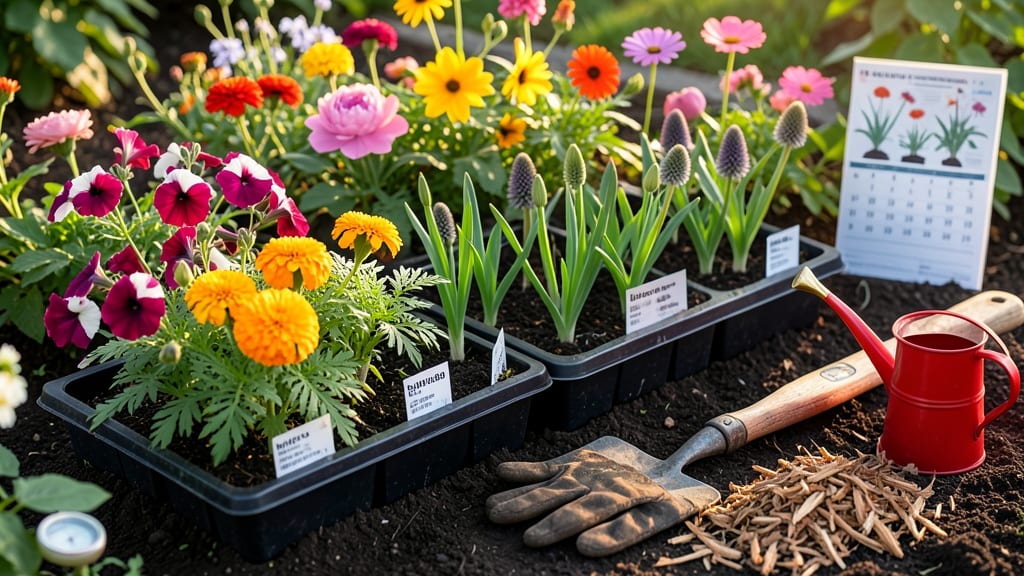
Planting flowers in New York’s USDA Zones 6 and 7 means timing is everything—one wrong move and frost or heat can ruin your blooms before they even open.
New York’s unpredictable spring weather can turn even the most eager gardener into a second-guesser—plant too early, and frost will kill your blooms; too late, and you’ll miss peak flowering season.
But timing isn’t just about avoiding frost—it’s about aligning with USDA Zones 6 and 7’s unique microclimates for maximum floral success.
From March’s first tulips to September’s late-season dahlias, the right planting window ensures your garden thrives year-round. Whether you’re in the city or the countryside, knowing when to start seeds, transplant seedlings, or tuck in bulbs makes all the difference.
Here’s your season-by-season guide to planting flowers in New York, complete with frost dates, heat tolerance tips, and the best varieties for each window—so you can enjoy months of vibrant blooms without the guesswork.
New York flower planting timeline by season (Zone 6 & 7 guide)
New York’s diverse climate—spanning USDA Zone 6 in the Hudson Valley and Zone 7 in the Lower Hudson region—means your planting schedule should adapt to local frost dates and microclimates.
For most of Zone 6, the last frost typically hits around April 15, while Zone 7 areas like Long Island may see frost-free conditions by April 1.
Coastal areas like Long Island and Statten Island experience milder winters, allowing earlier plantings of tender flowers like marigolds and petunias.
Inland areas, such as the Hudson Valley or Western NY, face colder springs and later last frosts, often around May 1. This delay gives gardeners more time to prepare soil and start cool-season flowers like pansies or snapdragons indoors.
Understanding these differences ensures your annuals, perennials, and bulbs thrive without frost damage or stunted growth.
Below is a seasonal planting guide tailored to New York’s climate zones, including month-by-month windows for planting cool-season, warm-season, and heat-tolerant flowers.
Adjust timelines based on your specific microclimate—coastal areas can plant 2-3 weeks earlier, while inland zones should wait until after the average last frost date.
Key Takeaways:
- Spring planting (March–May) focuses on cool-loving annuals and hardy perennials.
- Summer planting (June–July) is ideal for heat-tolerant flowers like zinnias and sunflowers.
- Fall planting (August–September) extends the season for bulbs and cool-season perennials.
| Season | Planting Window | Flowers to Plant | Soil Temp | Notes |
|---|---|---|---|---|
| Early Spring (Feb–March) | Indoor starts, cold frames | Pansies, Snapdragons, Calendula | 40–50°F (4–10°C) | Hardy to light frost; use row covers. |
| Late Spring (April–May) | After last frost | Marigolds, Petunias, Dahlias, Tulips | 50–60°F (10–15°C) | Wait until soil warms; mulch for heat retention. |
| Summer (June–July) | Heat-tolerant varieties | Zinnias, Sunflowers, Cosmos, Lantana | 60–70°F (15–21°C) | Plant in afternoon to reduce transplant shock. |
| Early Fall (August) | 6–8 weeks before first frost | Asters, Chrysanthemums, Pansies, Bulbs (Tulips, Daffodils) | 50–60°F (10–15°C) | Extend season with cold-hardy varieties. |
| Late Fall (September) | Before ground freezes | Crocus, Snowdrops, Winter Aconite | 40–50°F (4–10°C) | Plant bulbs in well-draining soil. |
For Zone 6 gardeners in the Hudson Valley, prioritize late April to early May for planting tender annuals like geraniums or begonias. These areas benefit from extended growing seasons when using row covers or cold frames to protect early plantings.
In contrast, Zone 7 regions like Long Island can start warm-season flowers like zinnias as early as mid-April, thanks to milder coastal climates.
Bulbs like tulips and daffodils should be planted in fall (October–November) to establish roots before winter. However, if you miss this window, spring planting (March–April) still works for varieties like hyacinths, which tolerate cooler soils.
Always amend soil with compost to improve drainage, especially in clay-heavy areas common in Western NY.
Summer planting in June–July focuses on heat-loving annuals that thrive in New York’s humid summers. Zinnias and sunflowers are excellent choices, as they tolerate high temperatures
How to adjust planting times for NYC’s microclimates and frost risks
New York City’s diverse neighborhoods create unique microclimates that can shift last frost dates by weeks. Urban heat islands in Manhattan may warm up faster than rural areas in Westchester, while coastal zones like Long Island experience milder winters.
These variations make planting timing a moving target—especially for tender annuals like petunias or marigolds that can’t handle unexpected late frosts.
Even experienced gardeners fall victim to false spring traps—those warm spells in March that trick you into planting too early. I’ve learned the hard way that a 32°F night in April can wipe out your cool-season pansies overnight.
The key is layering strategies: hardening off seedlings, using row covers, and choosing frost-tolerant varieties like snapdragons or stock flowers that can survive light freezes.
⚠️ callout warning ⚠️
For urban gardeners with limited space, container gardening offers flexibility. Move pots to sheltered spots or bring them indoors during cold snaps. I keep a thermometer near my raised beds to track soil temps—50°F (10°C) is the magic number for safe planting. Cold frames are game-changers for extending spring by 3-4 weeks; I’ve seen calendula and nasturtiums thrive under them in March when outdoor temps hover around 40°F.
Coastal areas like Staten Island or Long Island enjoy 2-3°F warmer microclimates than inland zones. Here, you can push marigolds and zinnias into the ground by April 20, while gardeners in the Hudson Valley should wait until May 1.
Always check local frost maps (like the National Weather Service) and adjust by 1-2 weeks based on your specific neighborhood.
Heat-loving varieties like geraniums or salvias need consistent warmth to thrive. I’ve found that transplanting after June 15 gives them time to establish roots before summer’s 90°F+ heat waves.
For fall planting, focus on cool-season bloomers like asters or chrysanthemums—they’ll reward you with color even as temps dip toward 45°F.
Pro tip: Keep a planting journal to track your local microclimate’s quirks. Note which varieties survive unexpected frosts and which struggle with heat. Over time, you’ll develop a customized planting calendar that beats NYC’s whimsical weather. The goal? Blooms from May to October—without the frostbite! 🌸