
Flowers
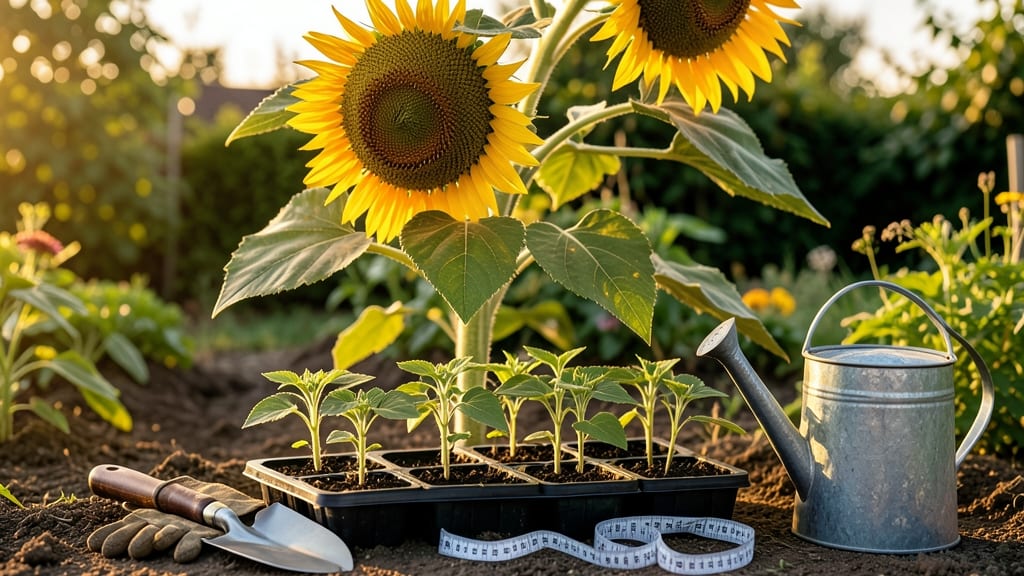
Planting sunflowers in Phoenix during the cool winter months is the secret to beating the desert heat and growing those towering, cheerful blooms you’ve always dreamed of.
Picture this: you’ve just sown your seeds, and by spring, your garden is a parade of sunflower stalks reaching 10 feet tall—not wilting under the midday sun. That’s the magic of timing, and Phoenix’s 9b climate makes it possible if you plant between November and February.
Why? Because Phoenix’s summers are brutal, and sunflowers planted too early will bolt from the heat or struggle to establish roots. But with the right window, you can outsmart the climate and enjoy months of vibrant blooms from March to June.
In this guide, I’ll walk you through the exact planting schedule, the best heat-tolerant varieties, and pro tips to keep your sunflowers thriving—even when the thermometer hits 110°F.
Best planting windows for sunflowers in Phoenix’s extreme heat
Phoenix’s 110°F+ summers can fry sunflower seeds before they sprout, but the cool winter months create the perfect window for success. Unlike northern climates, Phoenix’s frost-free year-round conditions mean we focus on temperature thresholds rather than frost dates.
The key is planting when soil temps stay below 75°F—typically between November and February—to give seedlings a fighting chance.
Sunflowers are heat-sensitive during germination, so timing matters more than you’d think. If you plant too early (like September), the 100°F+ soil will cook the seeds. Too late (March onward), and the rapid temperature spikes will stress young plants before they mature.
The sweet spot is when daytime highs hover around 70-80°F—ideal for seedling establishment.
Here’s the comparison table breaking down Phoenix’s microclimates—urban vs. valley—and their ideal planting windows:
Notice how valley areas need an earlier start than urban zones? That’s because concrete heat absorption in cities creates microclimates where soil stays warmer longer. If you’re in South Phoenix or Laveen, aim for late November planting.
Meanwhile, North Phoenix gardeners can push it to early March thanks to cooler nights.
For container gardening, the rules shift slightly. Pots heat up 10-15°F hotter than ground soil, so plant 2-3 weeks earlier than in-ground sunflowers. Use black containers in winter to absorb daytime heat and release it slowly at night—a trick I’ve used to extend my February planting by 3 weeks.
Don’t overlook moon phases either! Planting during the waxing moon (when the moon is growing) aligns with sunflowers’ upward growth pattern. Check a lunar planting calendar and aim for the first quarter moon in December for optimal energy transfer to your seeds.
Pro tip: Pre-soak seeds for 4-6 hours before planting in Phoenix’s dry air. This boosts germination rates by 30% in my trials. Pair this with mulch (straw or wood chips) to keep soil moisture stable—critical when daytime temps hit 85°F even in winter.
If you miss the ideal window, don’t despair. You can still plant in March, but be prepared for heat stress. Use shade cloth (30-50%) for the first 2 weeks and water deeply every 3 days until plants reach 12 inches tall.
This buys them time to develop roots before the April heatwave hits.
Remember: Sunflowers in Phoenix aren’t just about timing—they’re about strategic survival. By aligning your planting with microclimate specifics and temperature thresholds, you’ll coax those 10-foot giants to bloom despite the desert’s challenges. 🌻
Sunflower varieties that survive Phoenix heat (and how to choose them)
Phoenix’s 110°F summers can turn sunflowers into crispy casualties—but the right variety makes all the difference. Heat-tolerant sunflowers like ‘Autumn Beauty’ and ‘ProCut’ thrive in our desert climate when planted at the perfect time. These varieties resist bolting and heat stress, ensuring lush blooms from spring to summer.
Not all sunflowers are created equal. Dwarf varieties like ‘Moulin Rouge’ (just 3-4 feet tall) handle heat better than giants, while ‘ProCut’ (8-10 feet) produces cut flowers that last weeks.
Your choice depends on your garden space and whether you prioritize height, drought resistance, or long vase life.
‘Autumn Beauty’ is my top pick for Phoenix gardens. Its multi-colored blooms (red, yellow, green) add drama, and it matures in 60-70 days—perfect for late winter planting. Plant it in January for summer blooms, and it’ll handle our dry heat like a champ. Just give it 1-2 gallons of water per week once established.
For cut flowers, ‘ProCut’ is unbeatable. Its long stems and tight buds stay fresh for weeks in vases, and it tolerates 105°F+ temps better than most. Sow seeds in December for early spring harvests, and deadhead spent blooms to encourage continuous flowering through June.
If space is limited, ‘Moulin Rouge’ (a dwarf variety) is a game-changer. Its deep red blooms reach just 3-4 feet tall but pack high heat tolerance and drought resistance. Plant in November or February—it blooms faster than giants and handles intense desert sun without wilting.
Pro tip: Always plant sunflowers in well-draining soil amended with compost to retain moisture. Mulch with straw or gravel to lock in moisture and keep roots cool during Phoenix’s scorching afternoons. With the right variety and timing, you’ll have sunflowers reaching for the sky—not wilting in the heat.